Oh my dear
With the following artist:
Leonor Saunders.
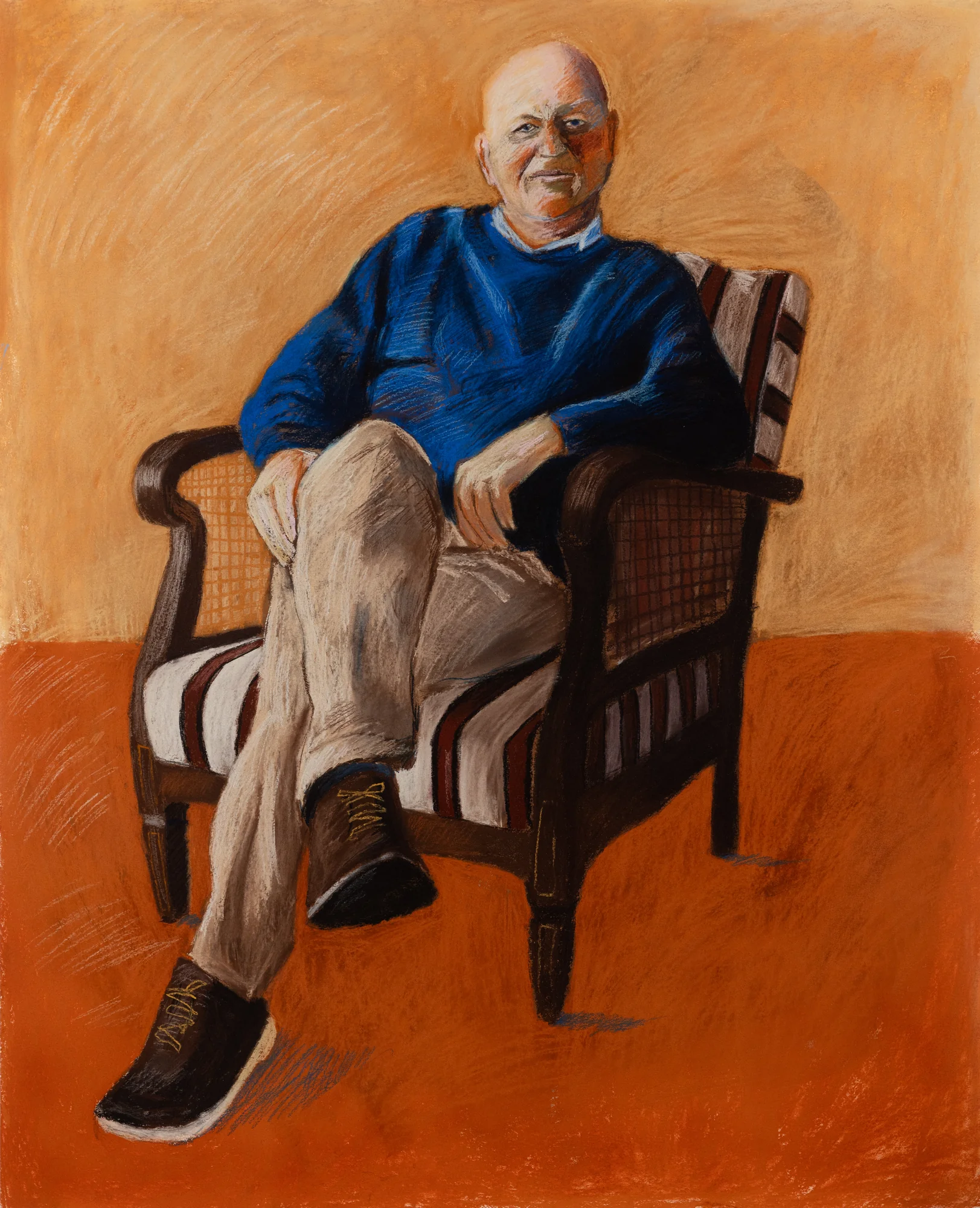
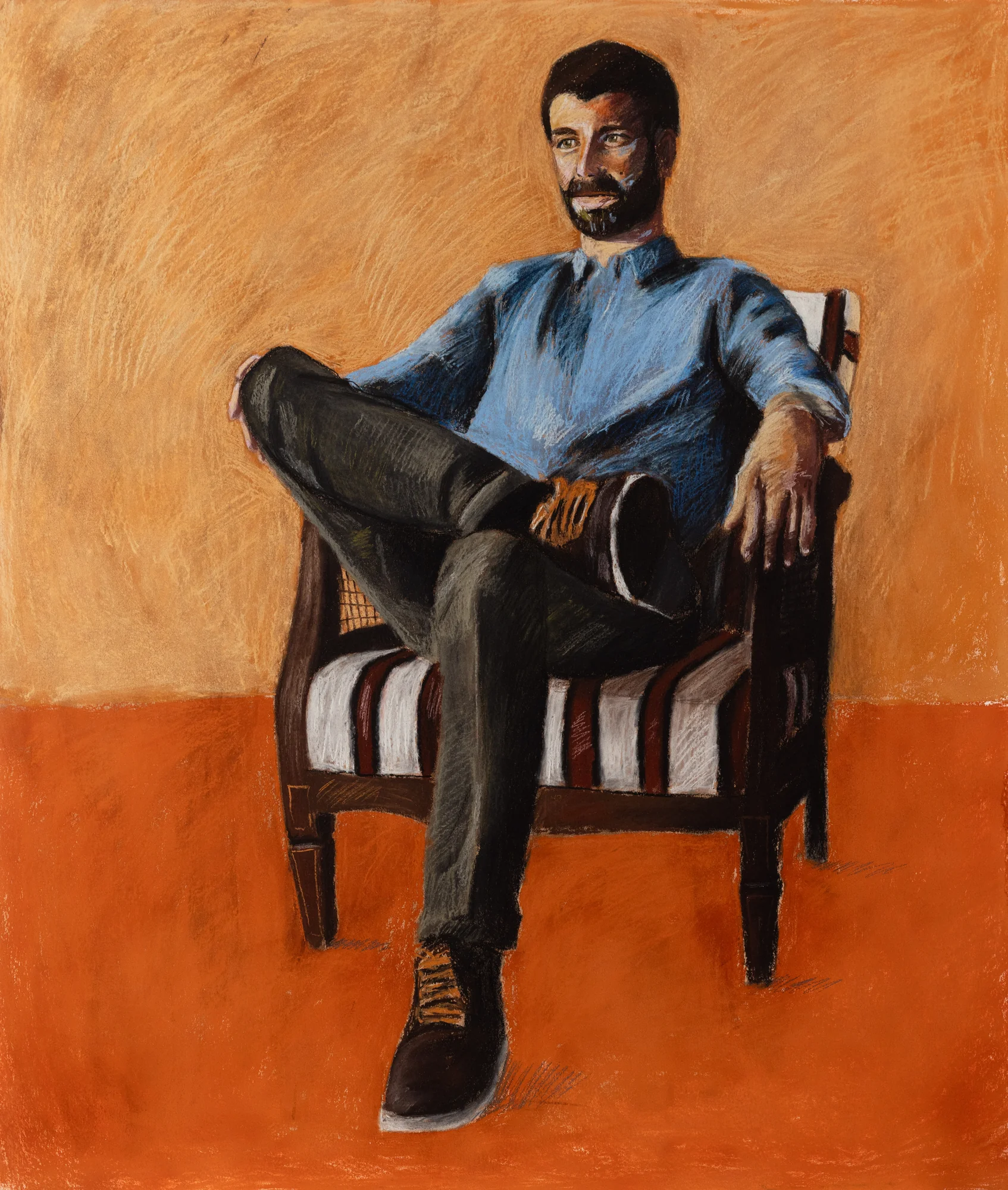
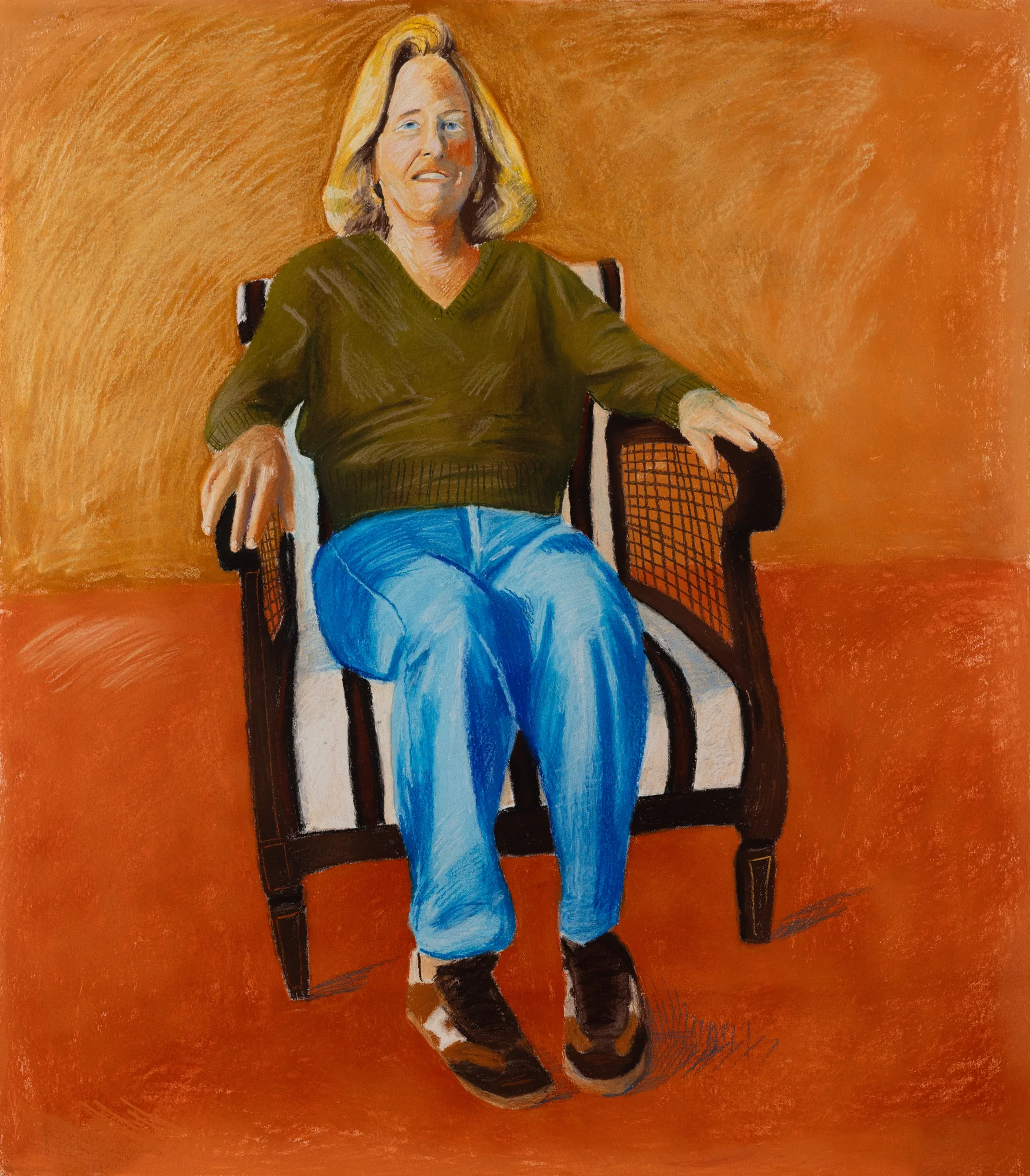
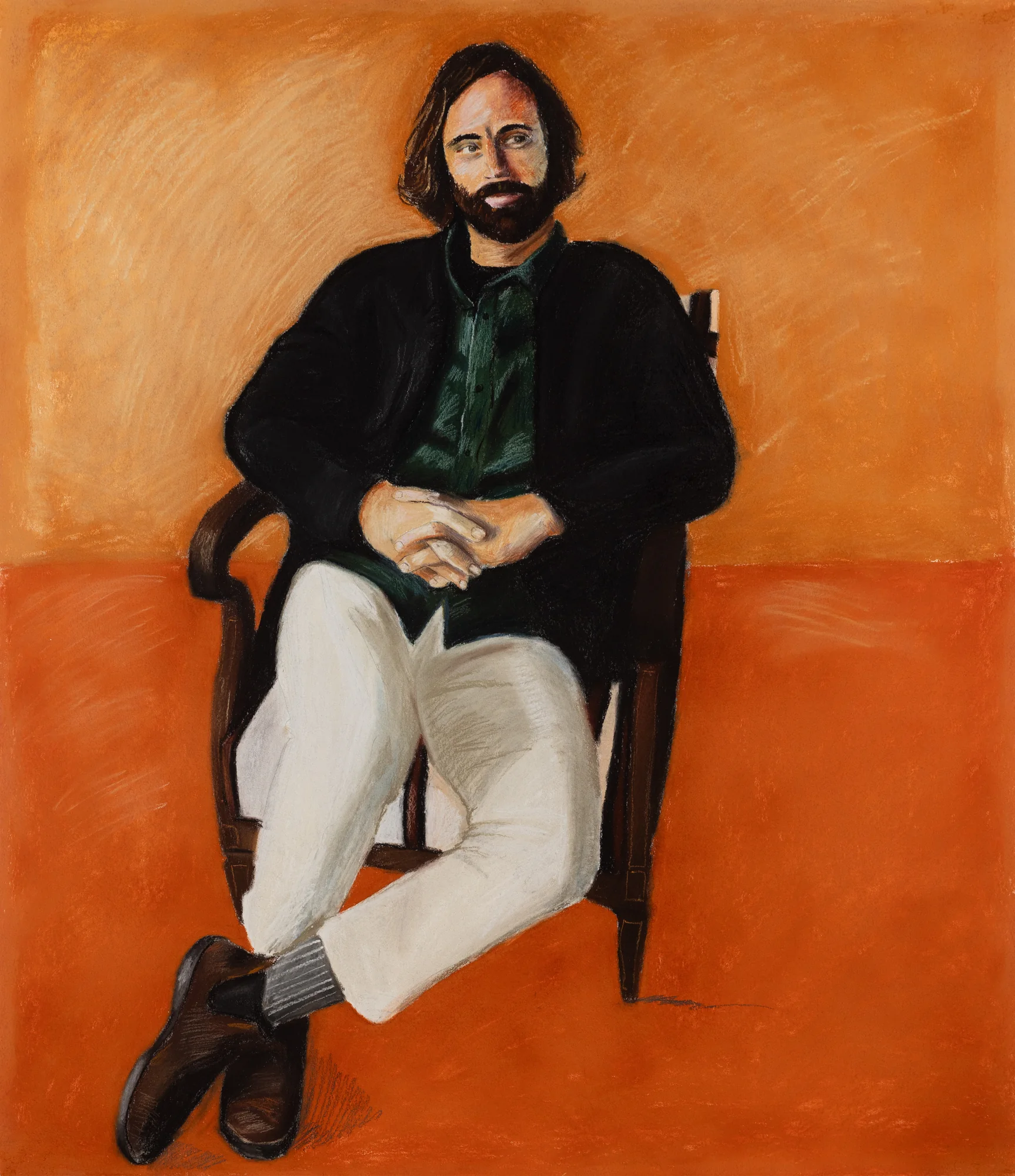
Oh my Dear is an exhibition born from an intimate conversation between the artist and her mother, where an unrealized loss is transformed into the impulse for a gesture of recognition. The title — “Oh my Dear” — functions as a subversion of the phrase "oh my God," shifting gratitude from the divine realm to the human, and recentering affective relationships as a space for meaning-making.
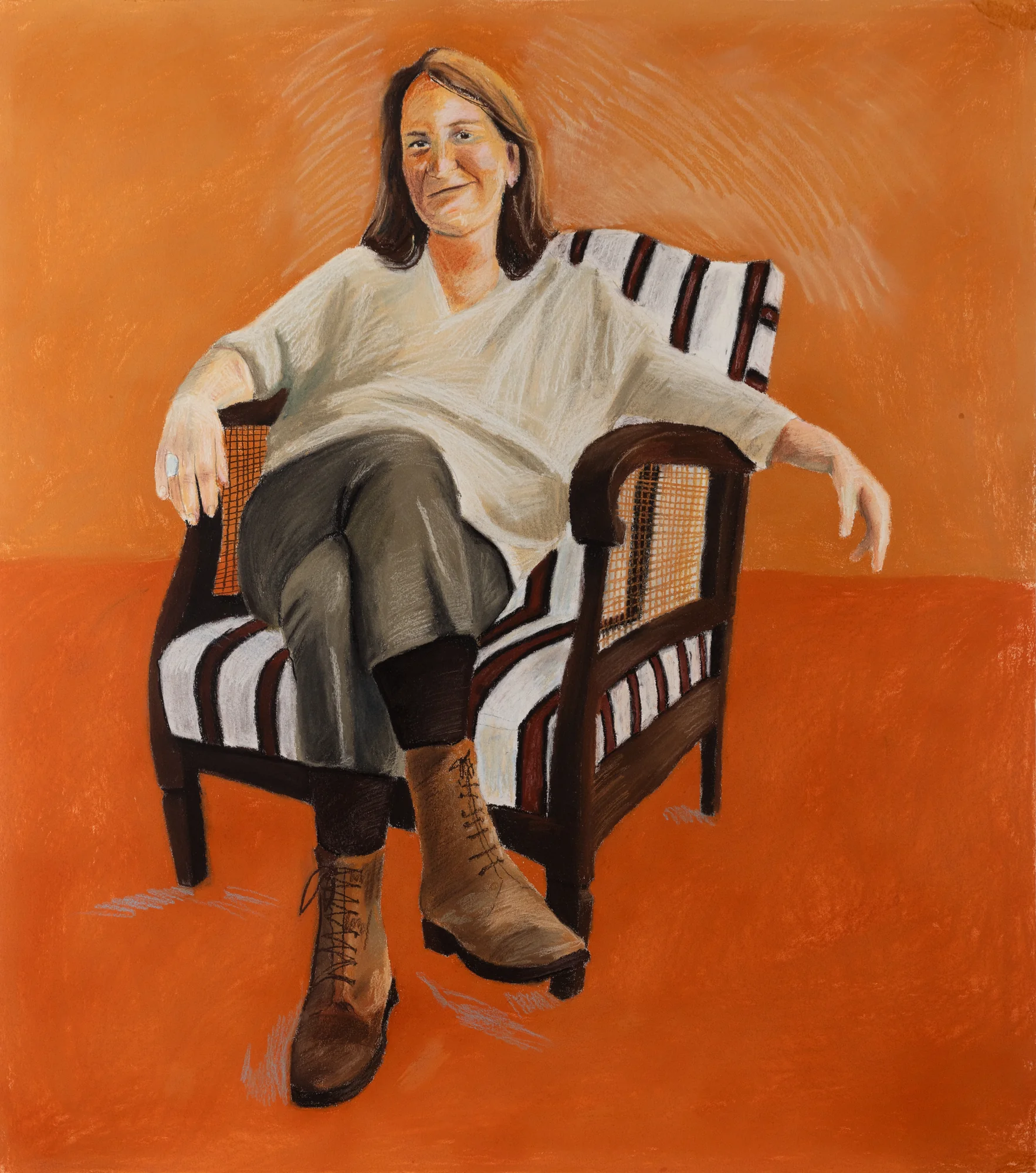
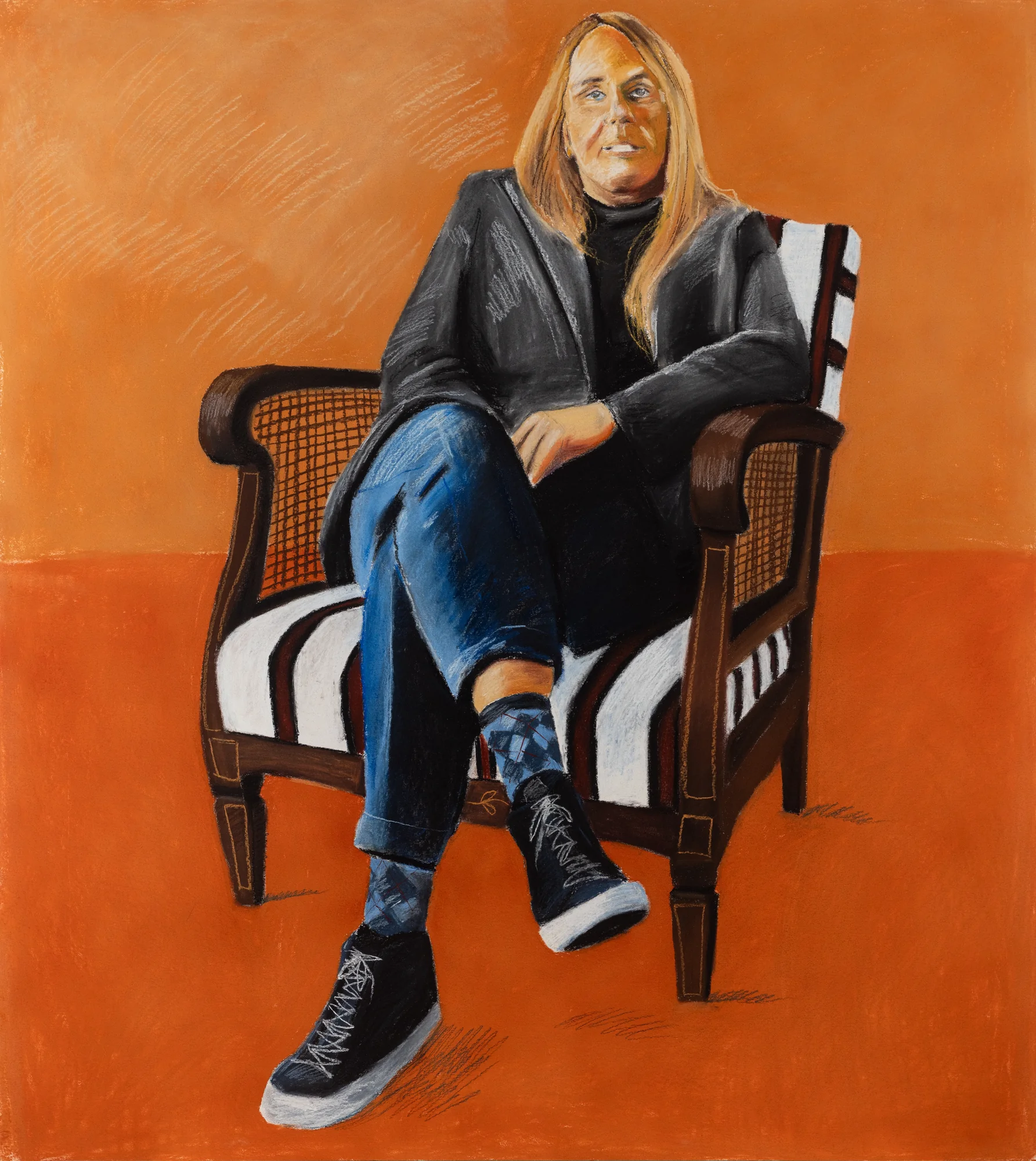
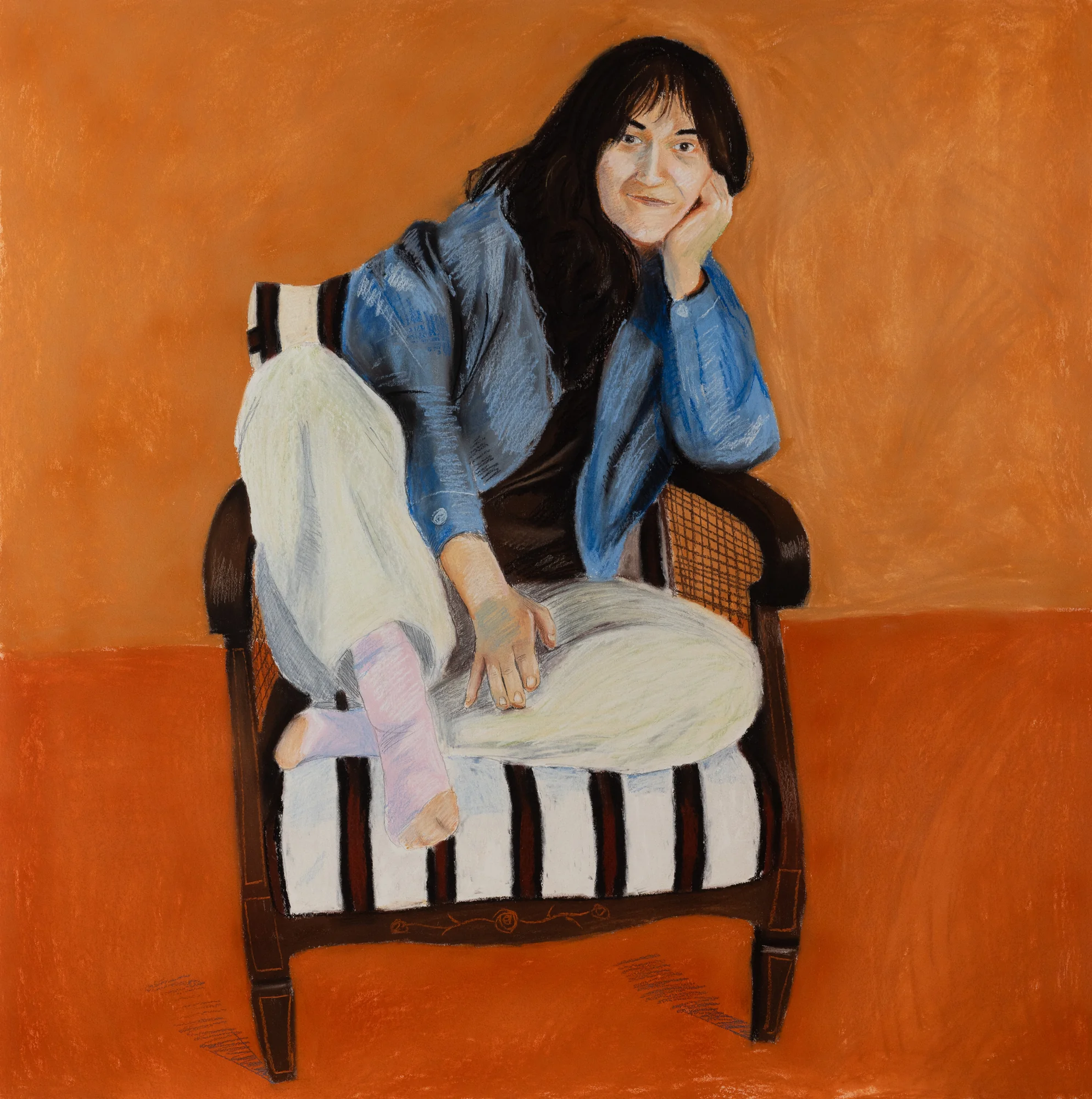
Far from a religious approach, the artist instead proposes a visual rite in which the portrait asserts itself as an artifact of presence. Rather than merely representing individuals, these images operate as meeting places, echoing contemporary art discourses surrounding vulnerability, memory, and the ethics of the gaze. In this context, the exhibition aligns with the thought of Roland Barthes, particularly the concept of the portrait (or photograph) as a simultaneous testament to both presence and disappearance, an inevitable expression of the awareness of loss.
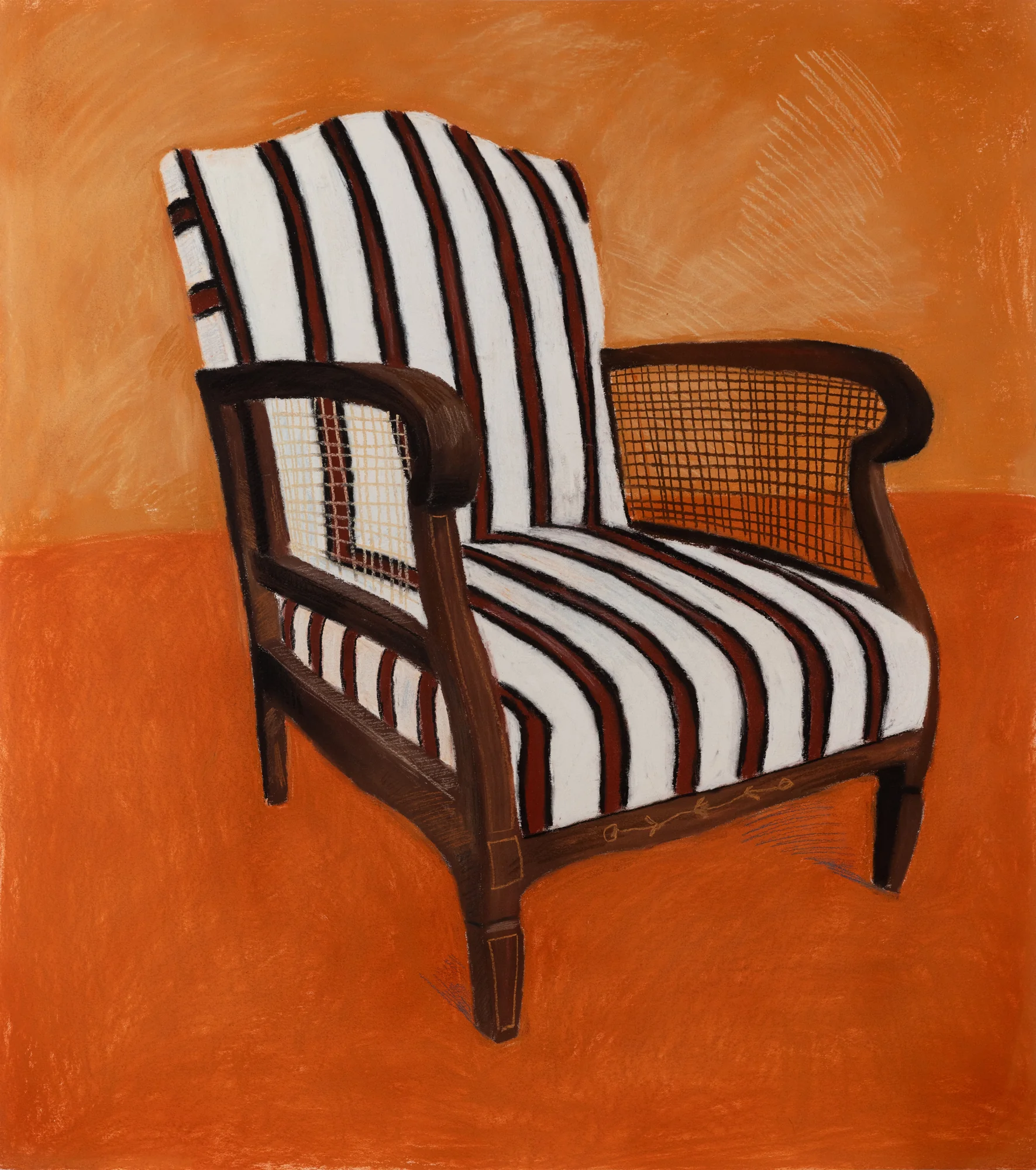
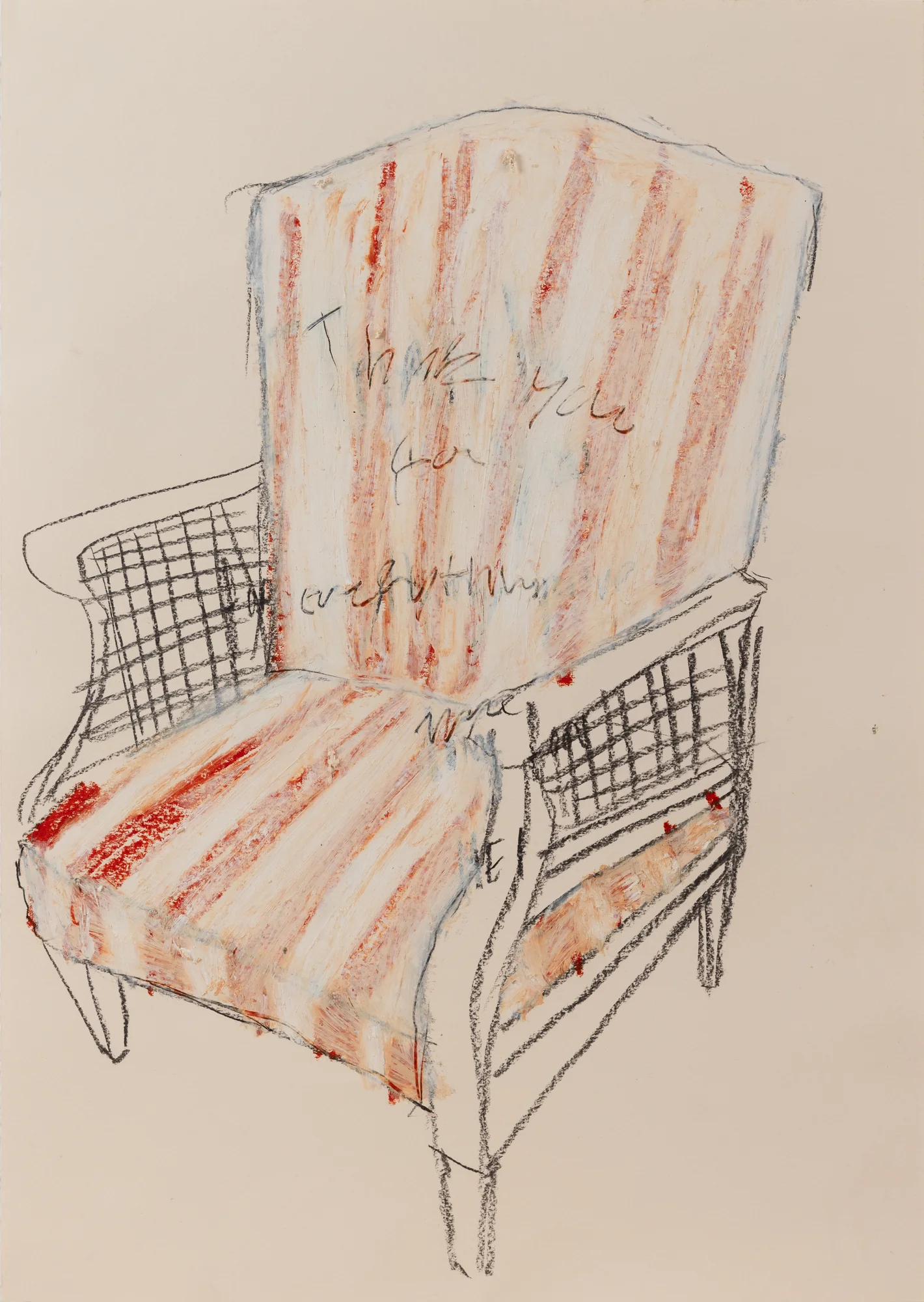
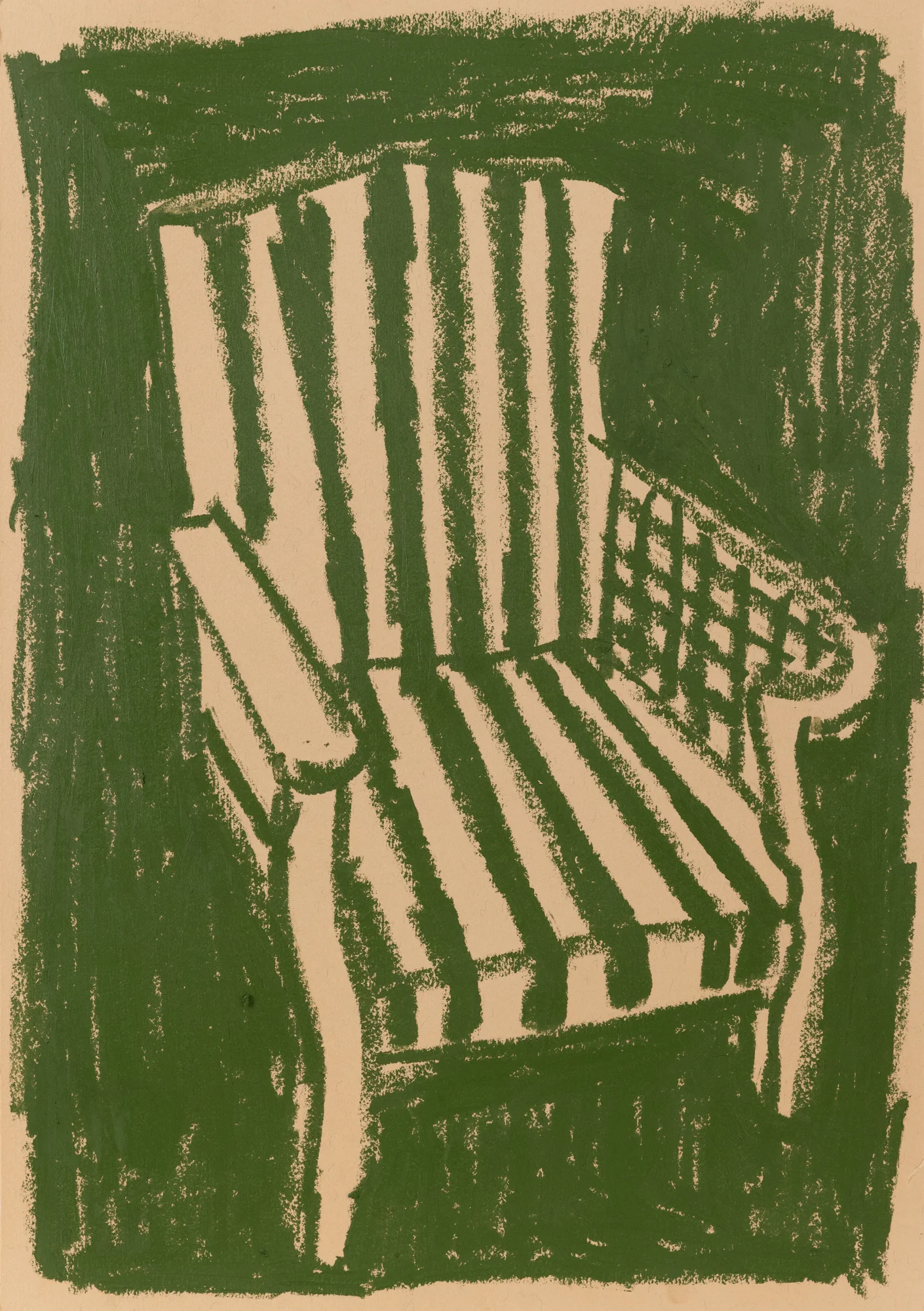
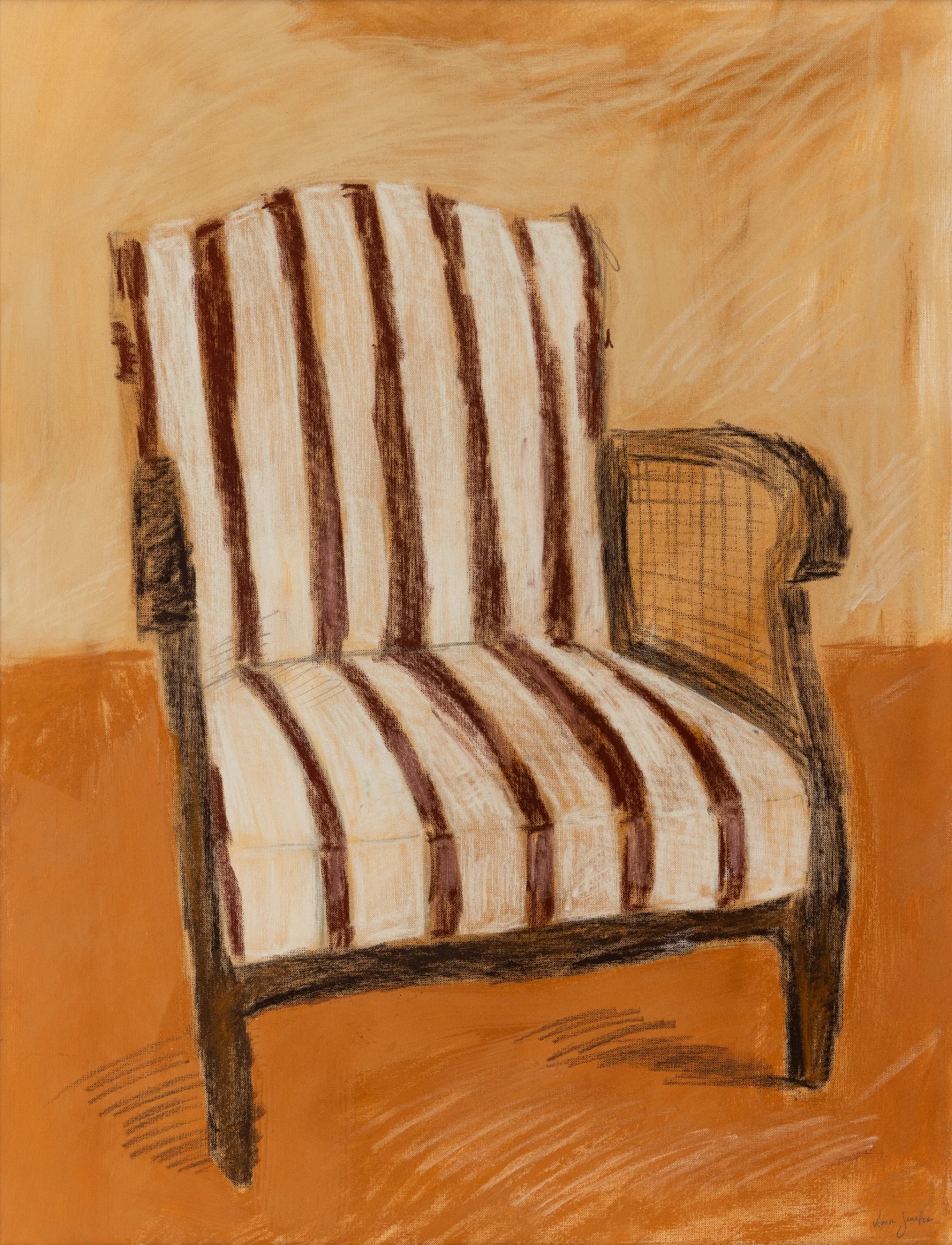
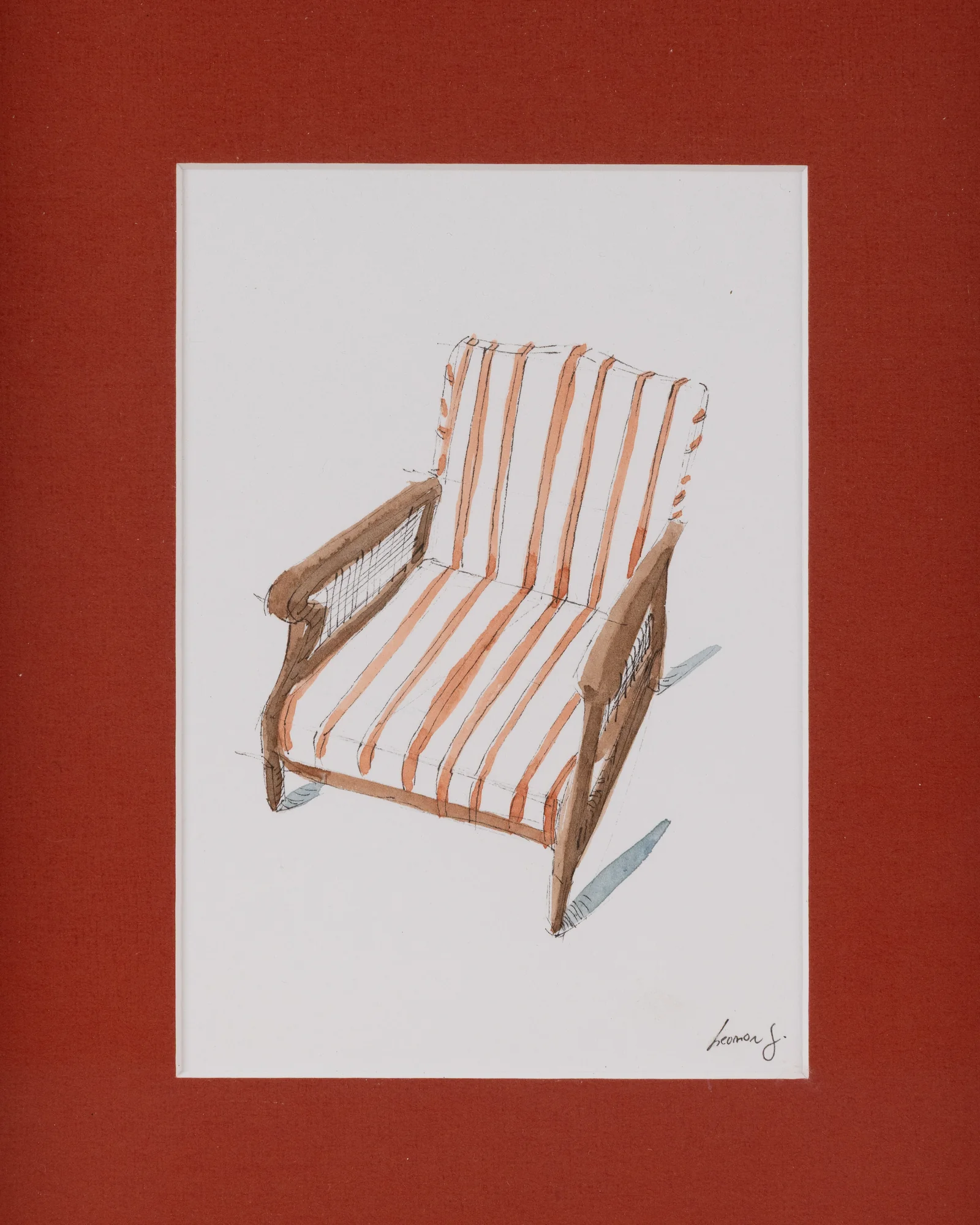
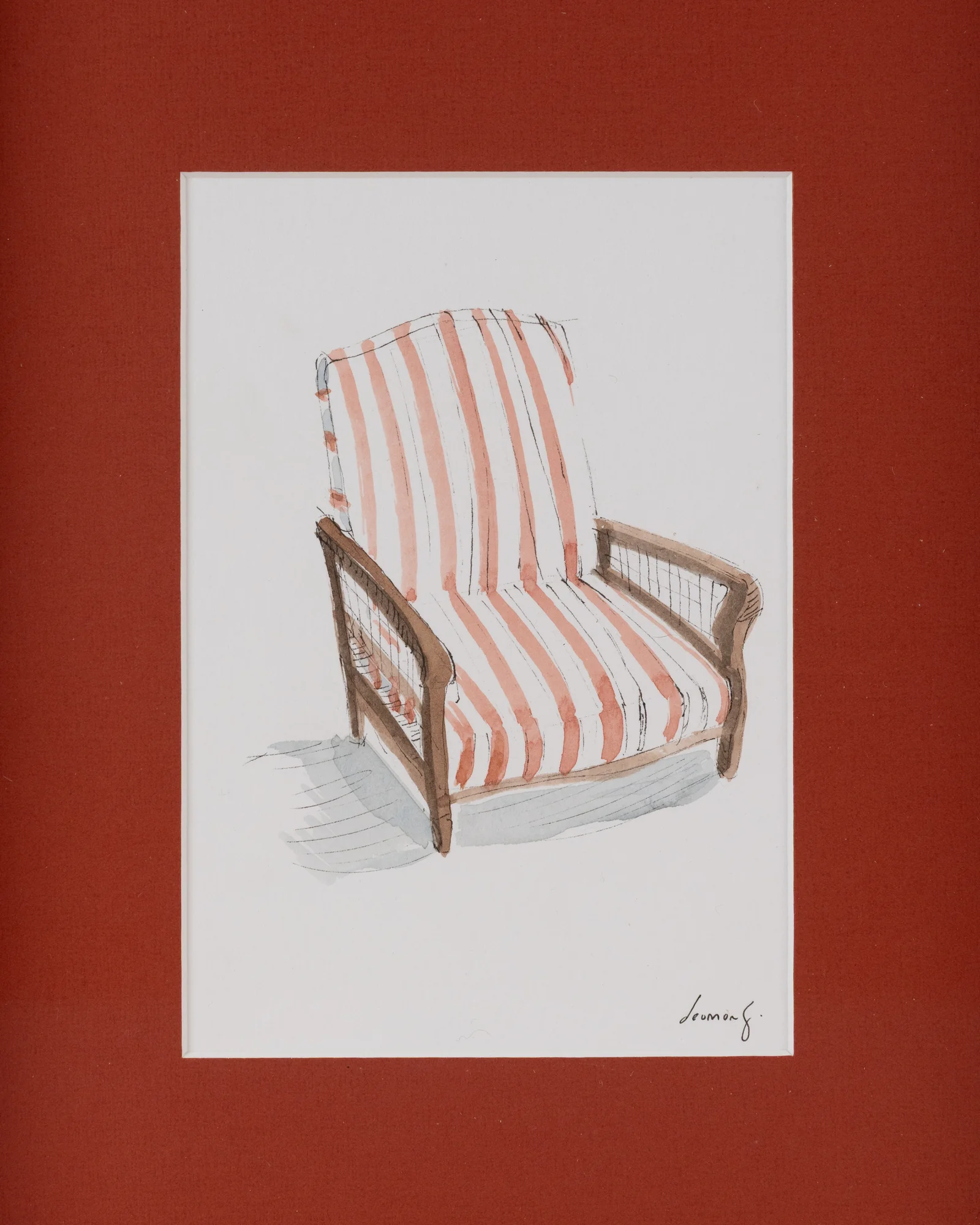
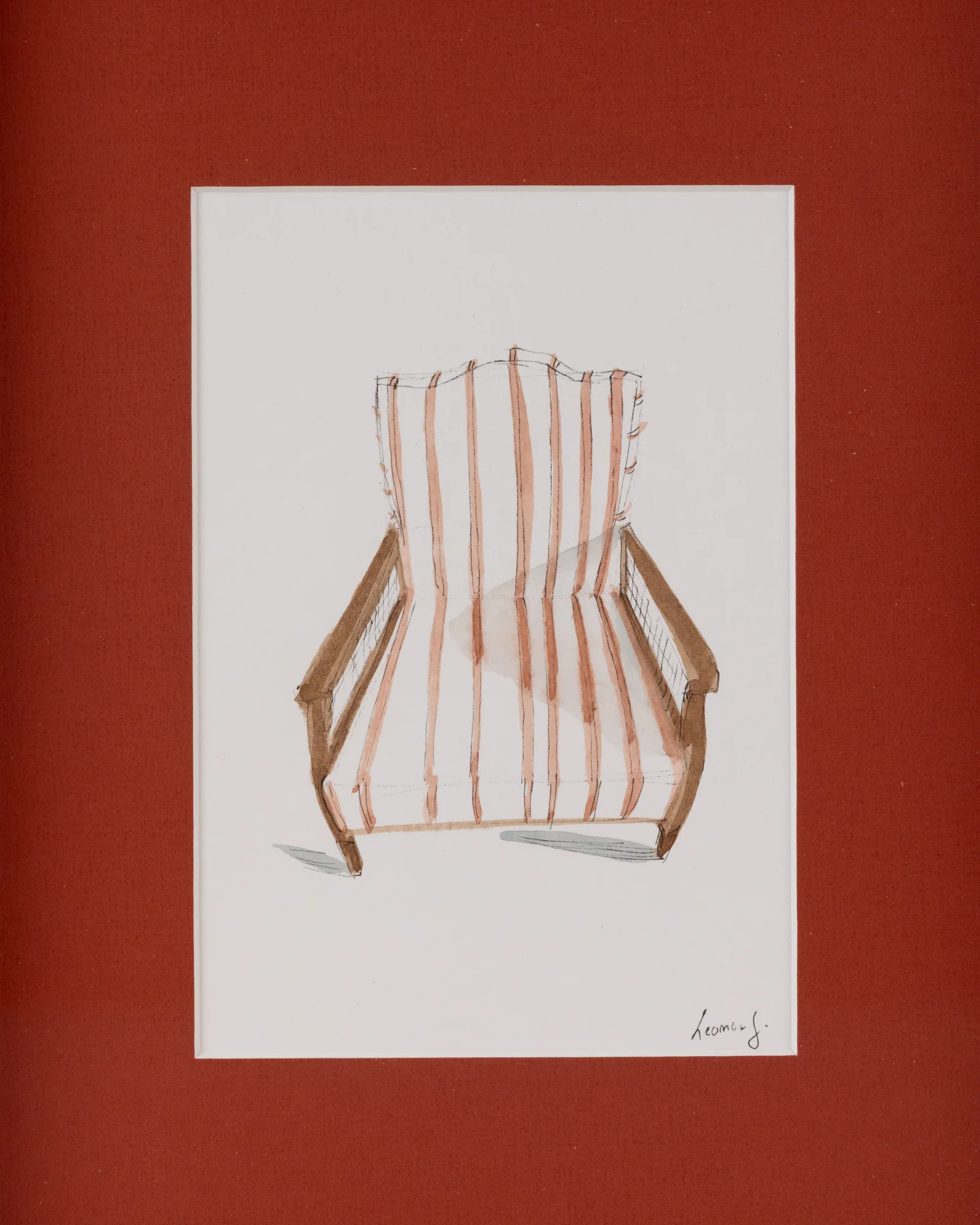
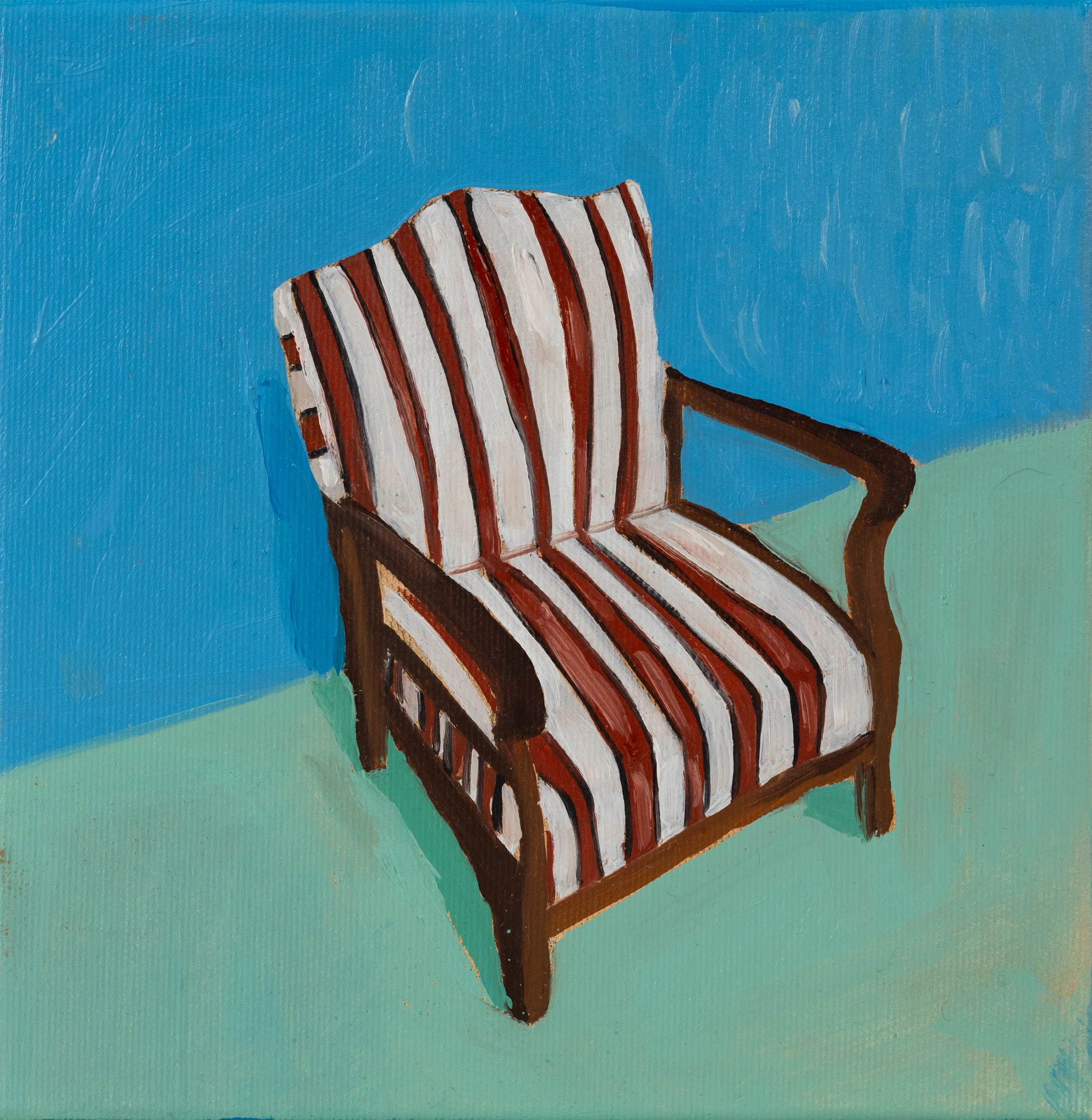
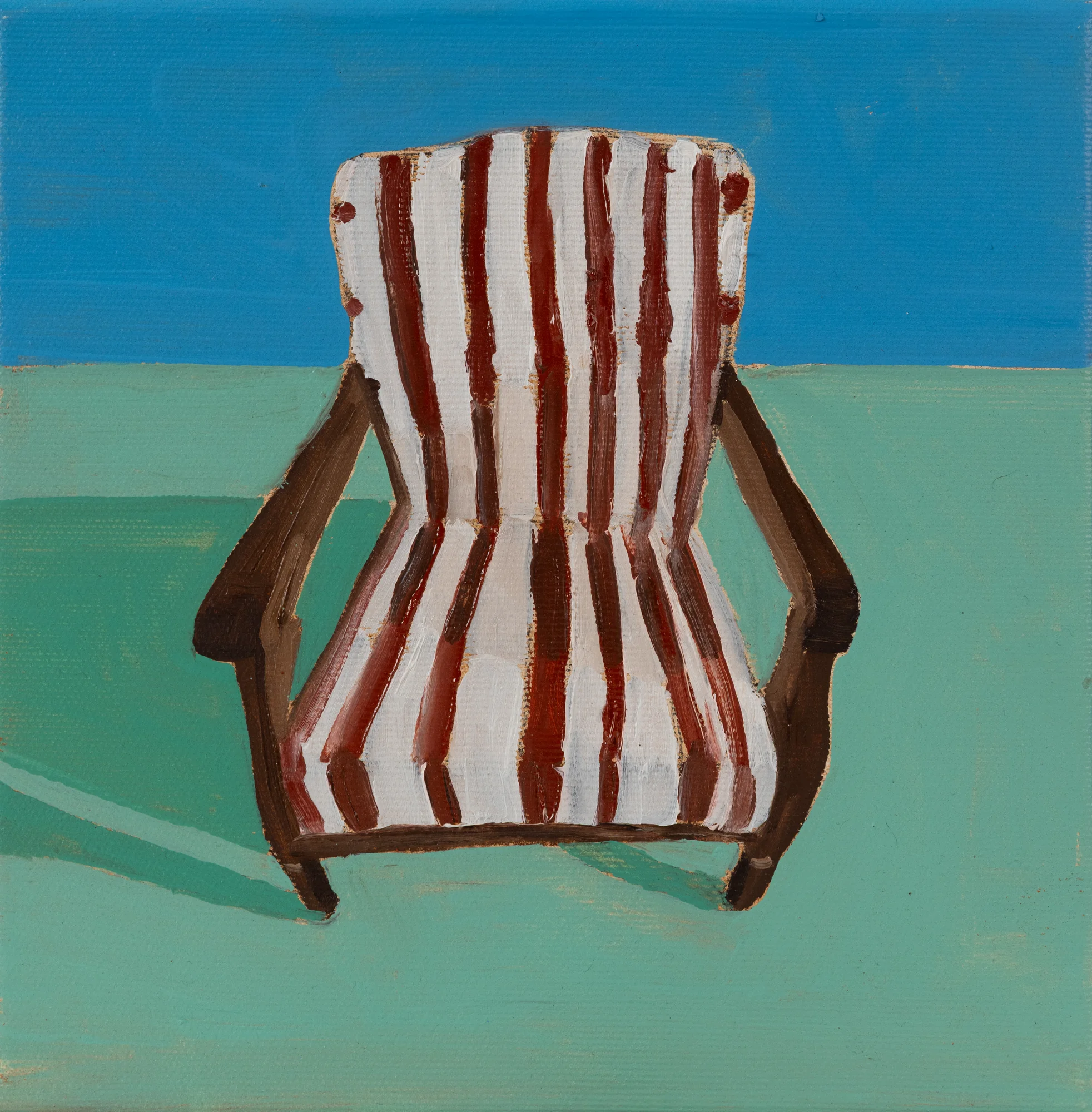
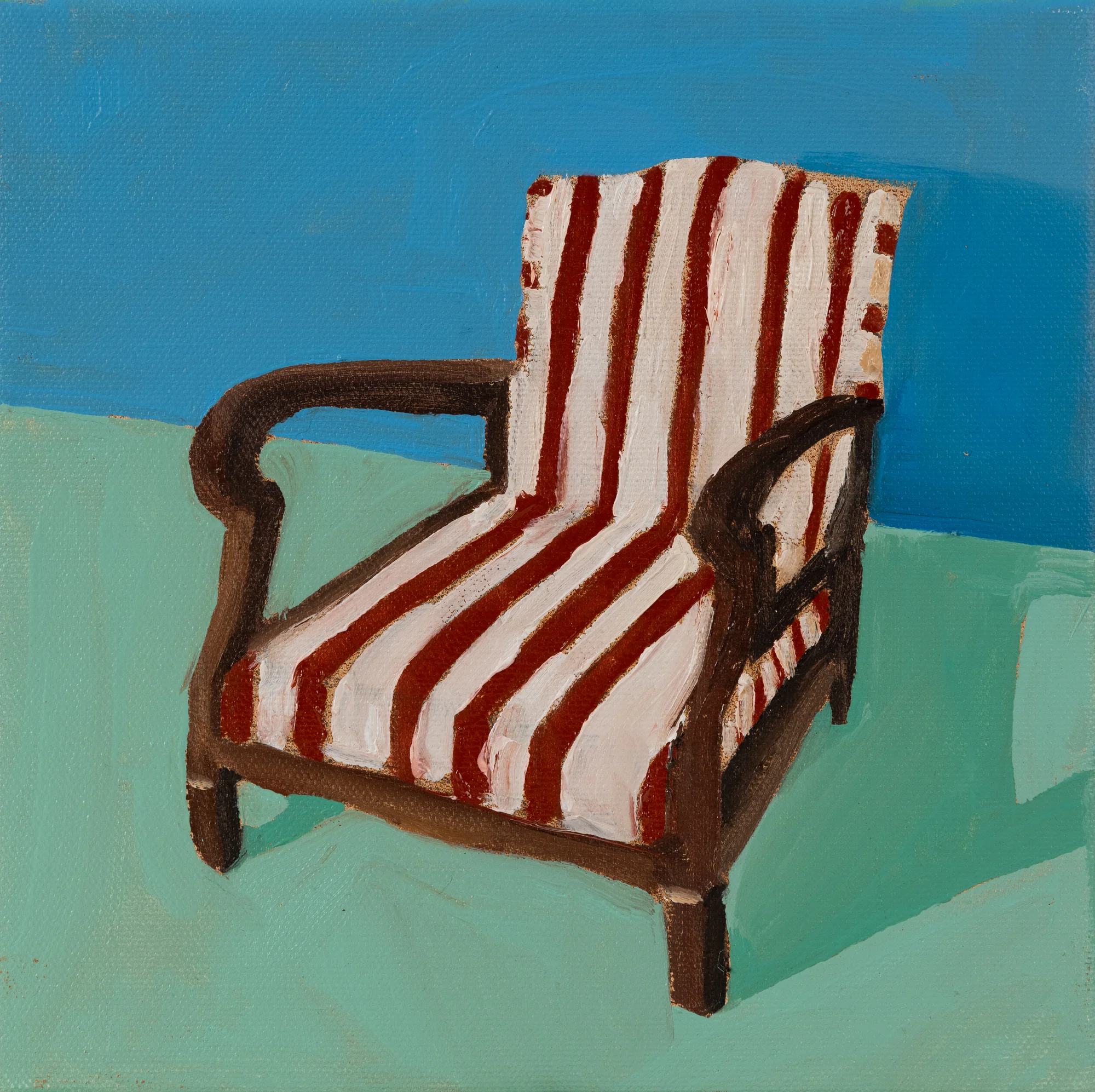
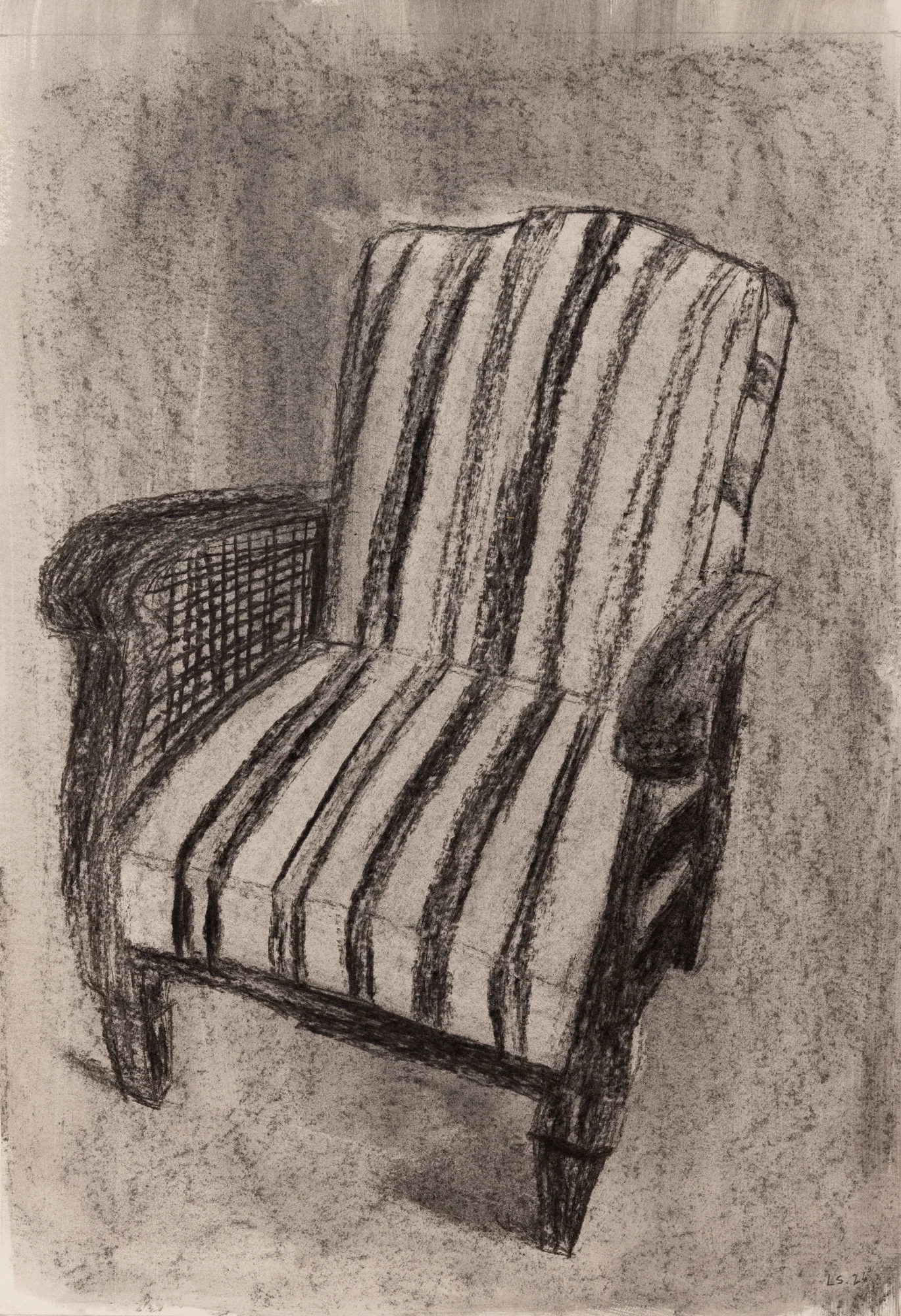
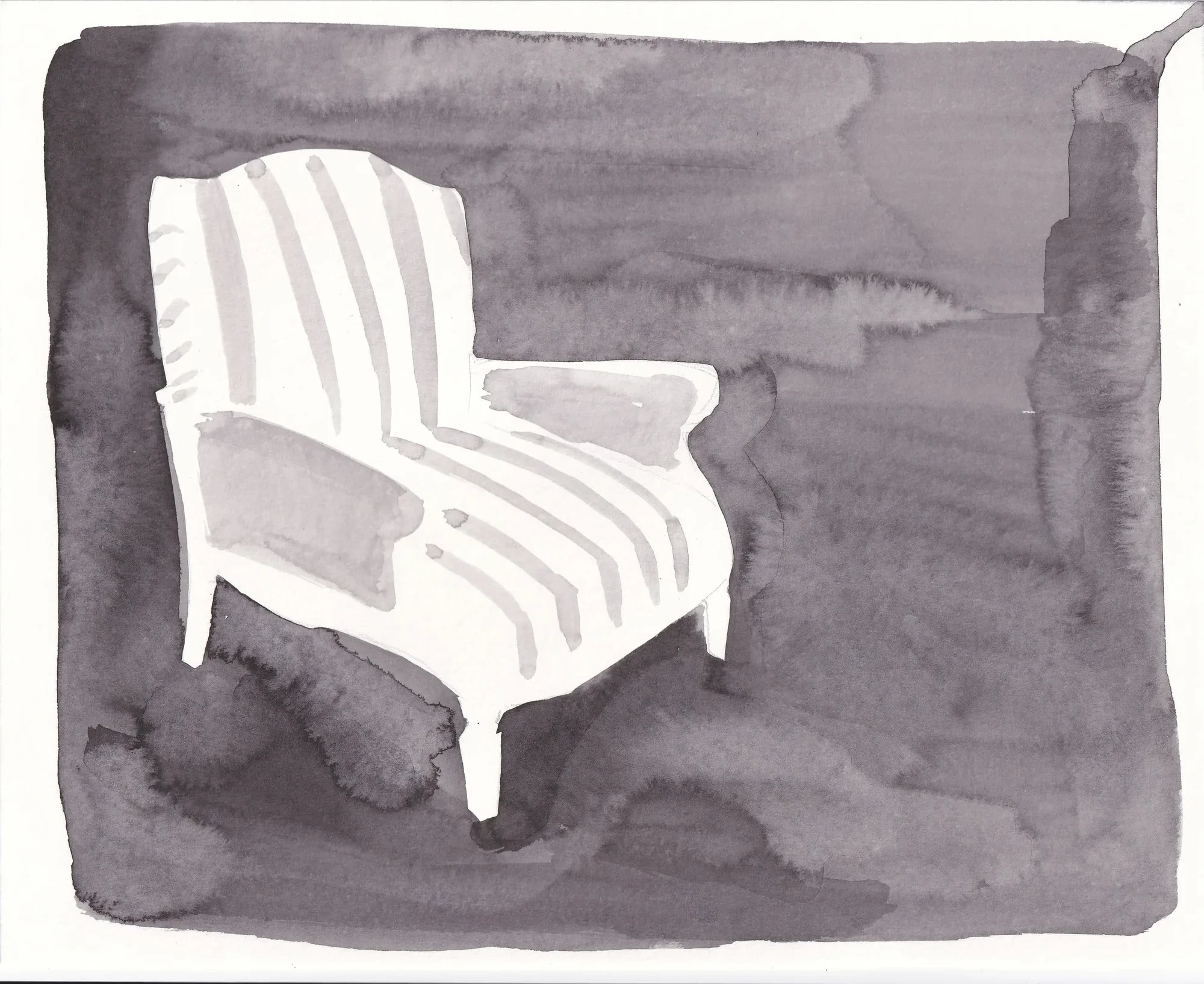
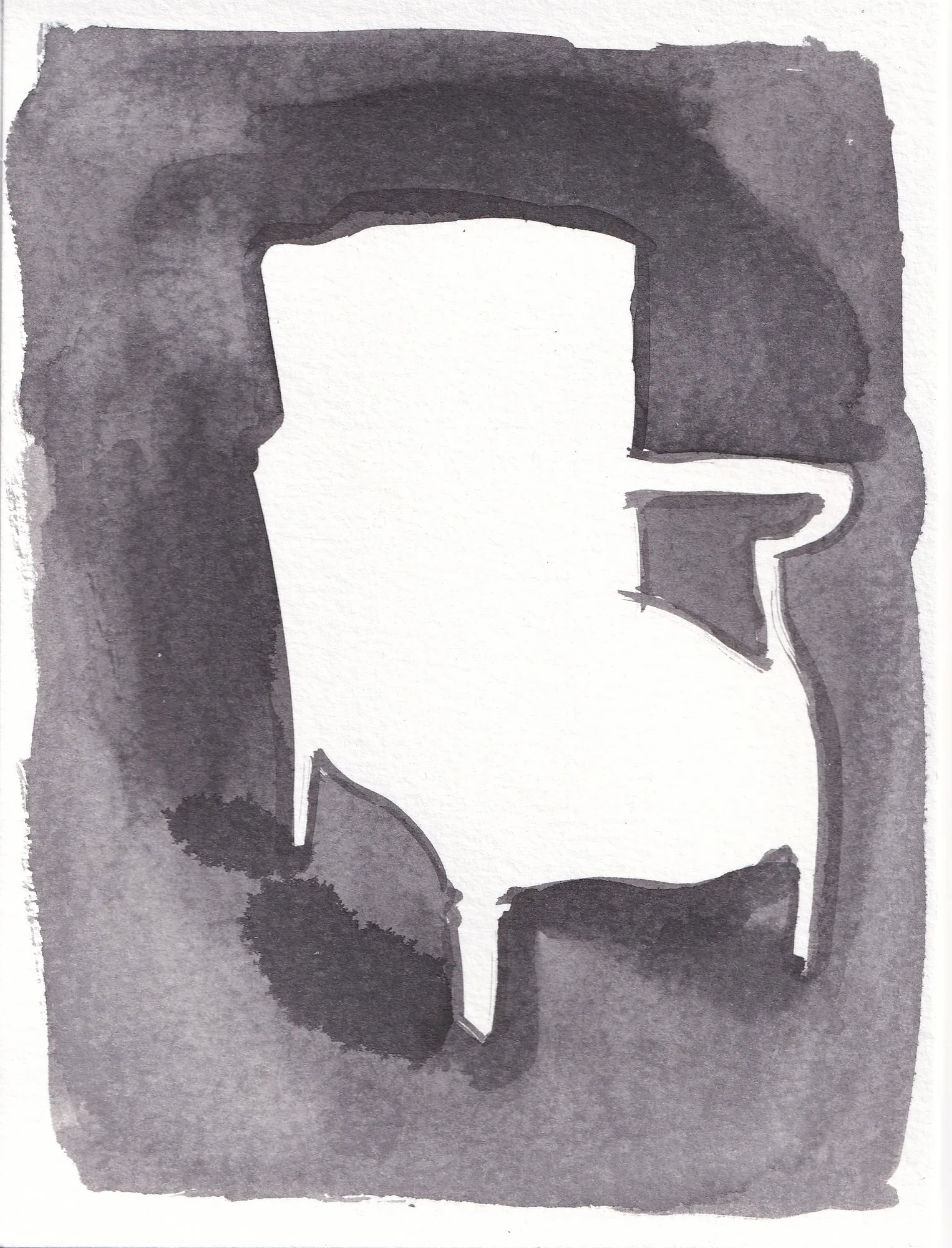
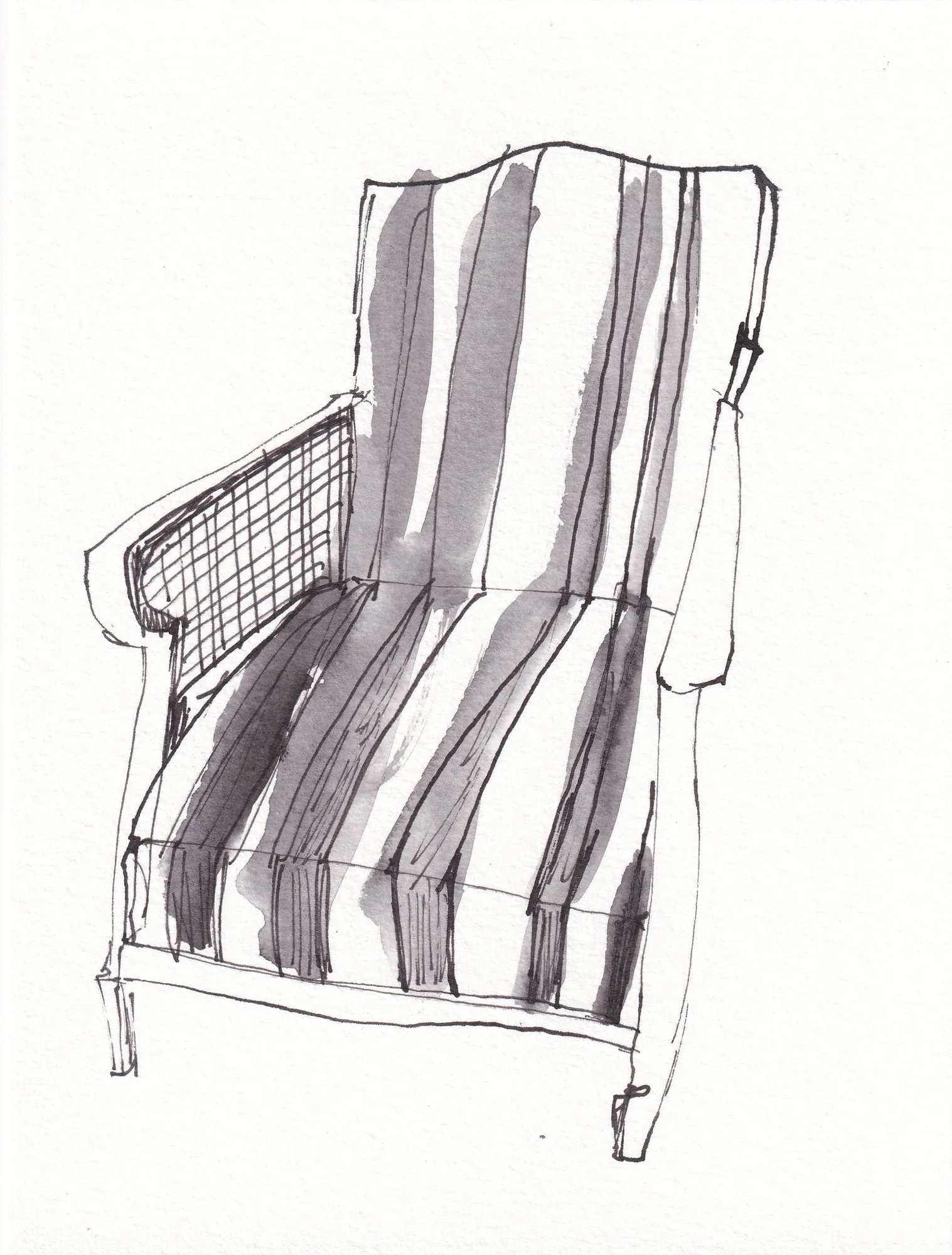
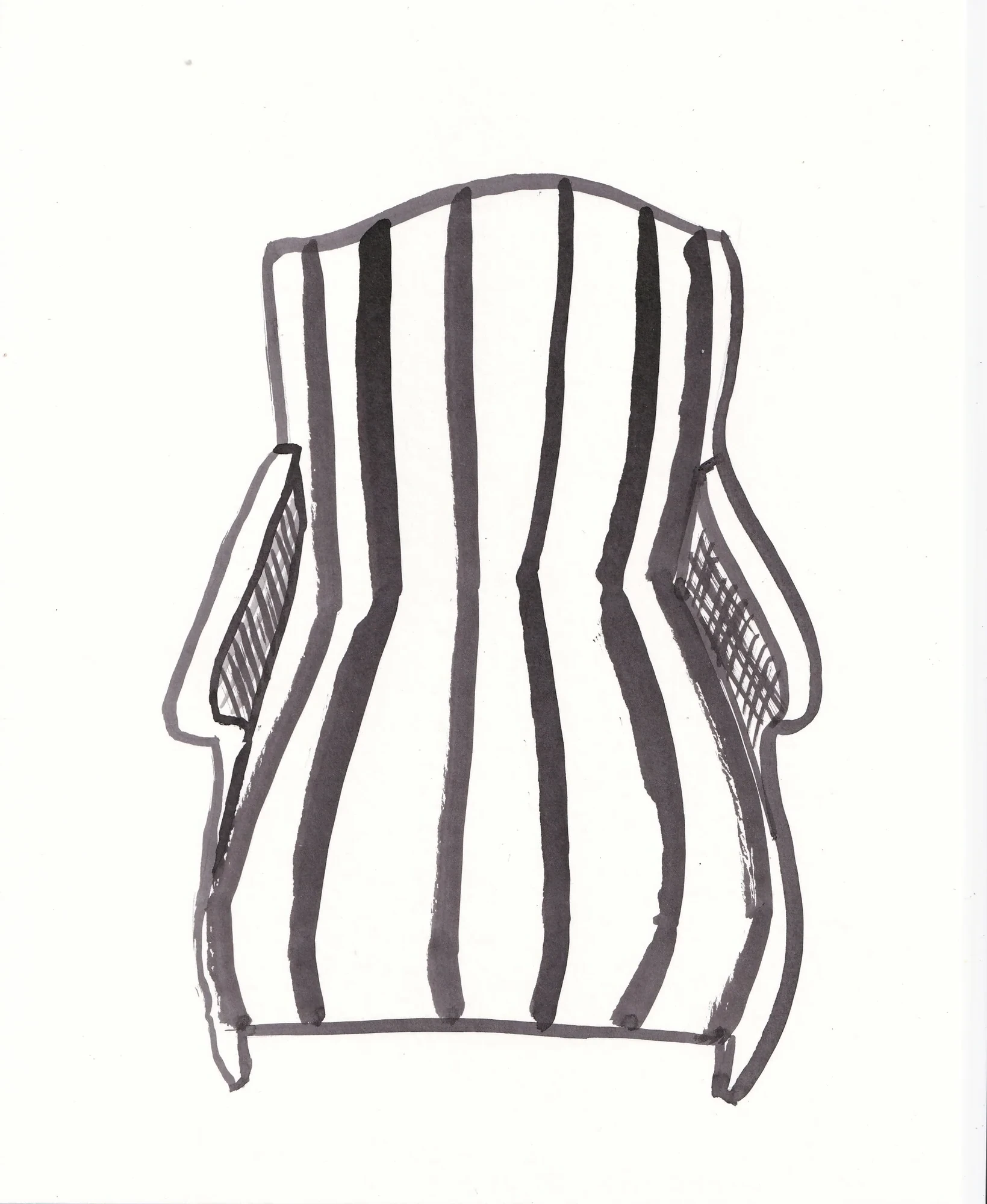
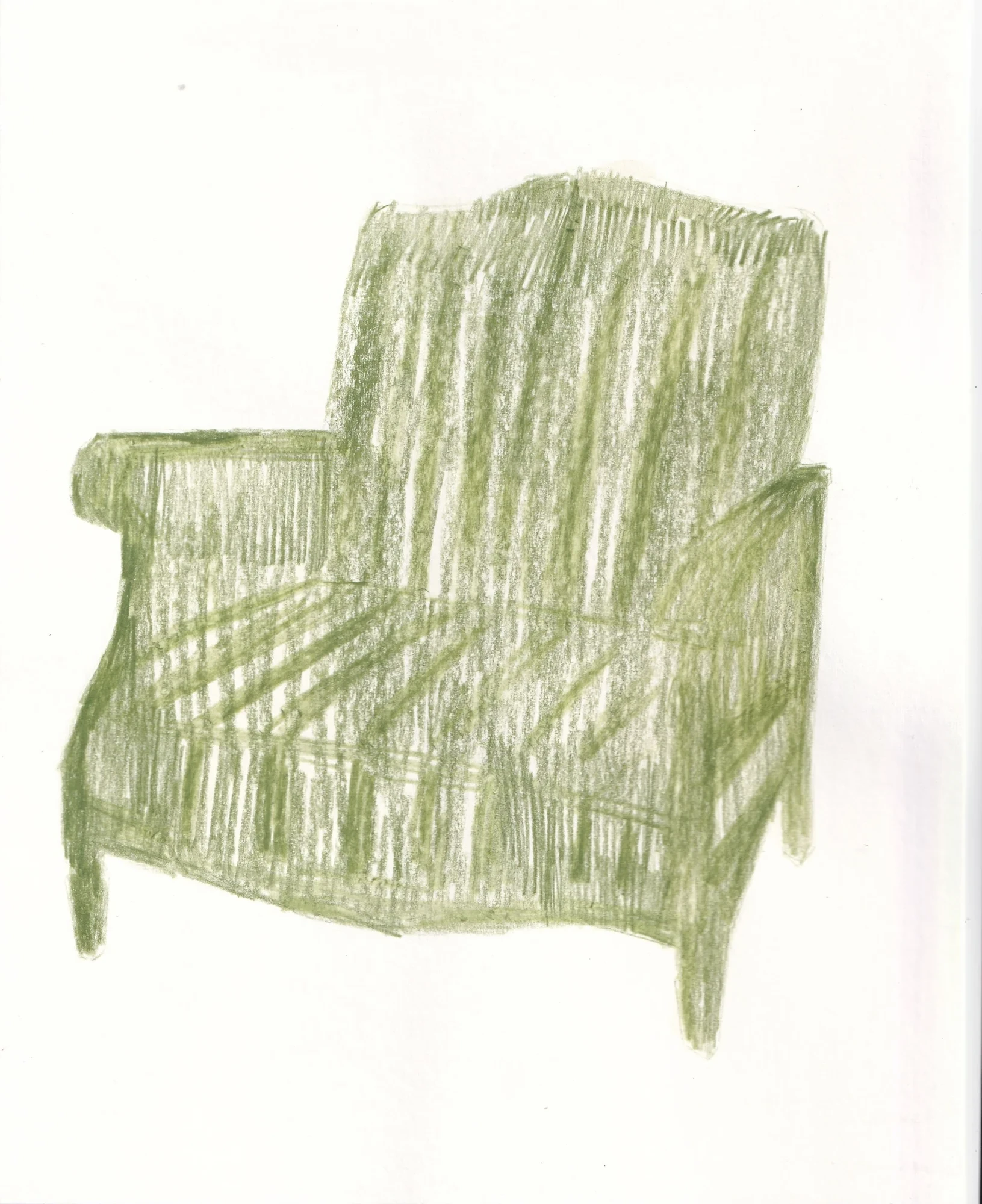
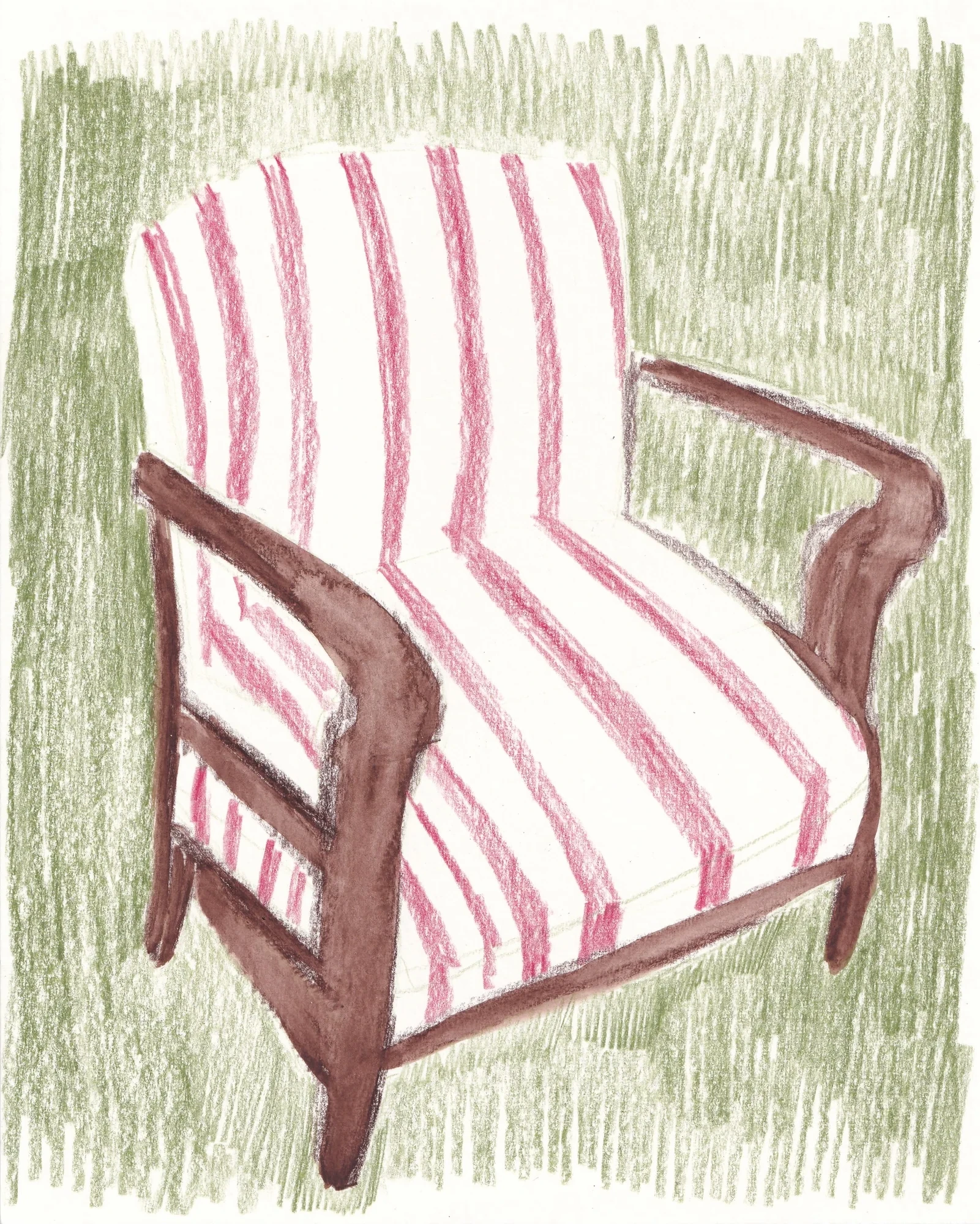
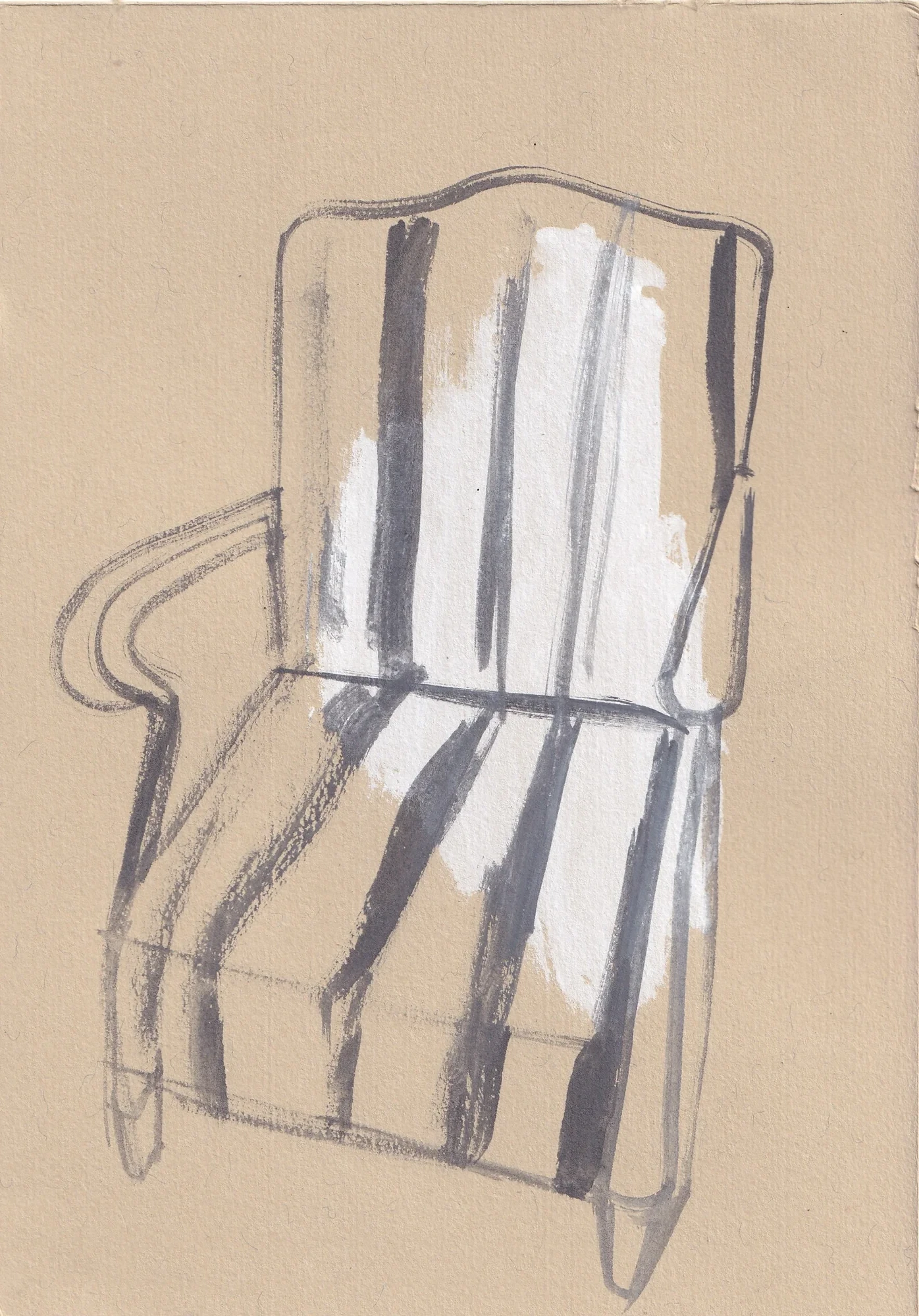
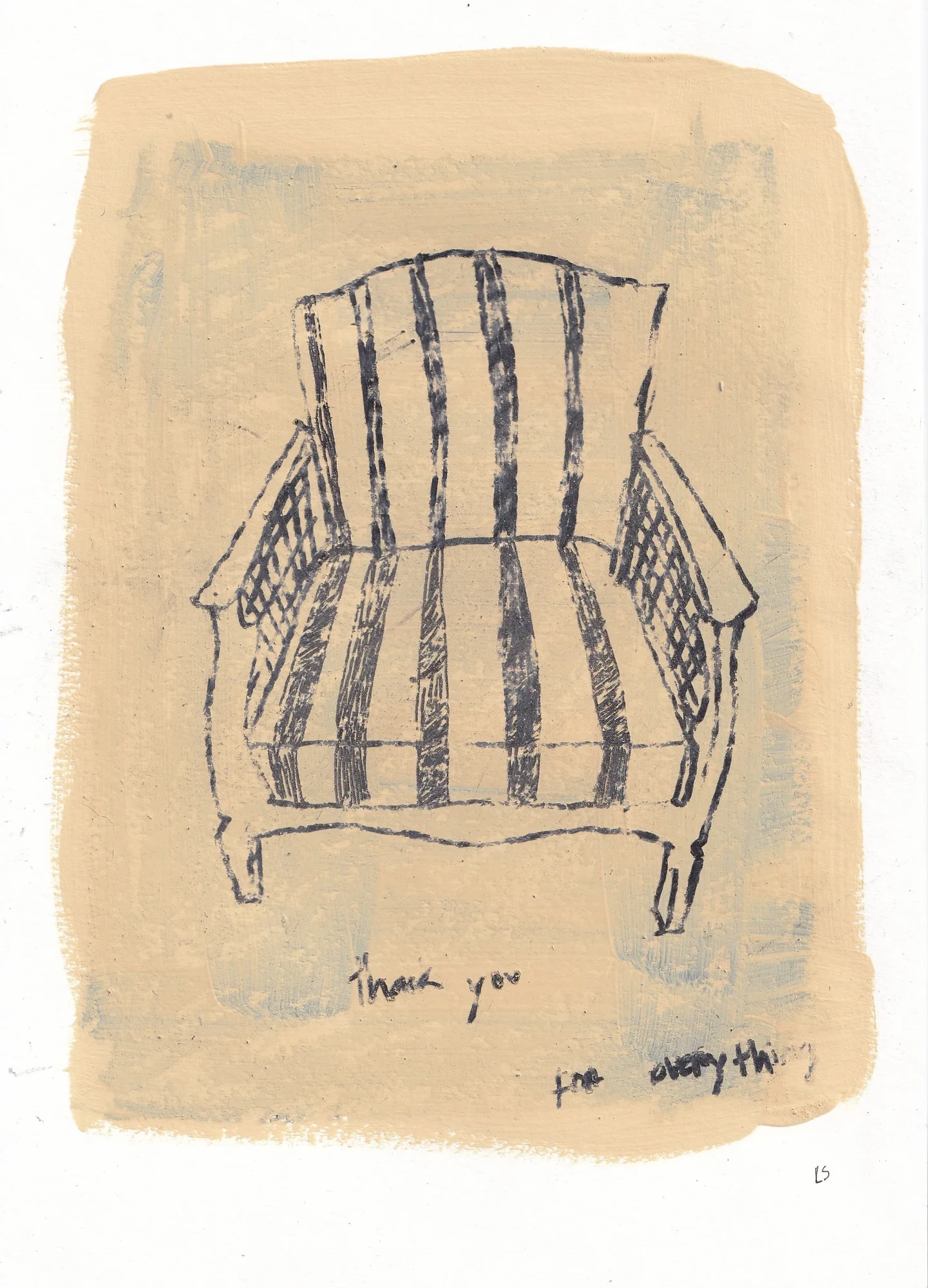
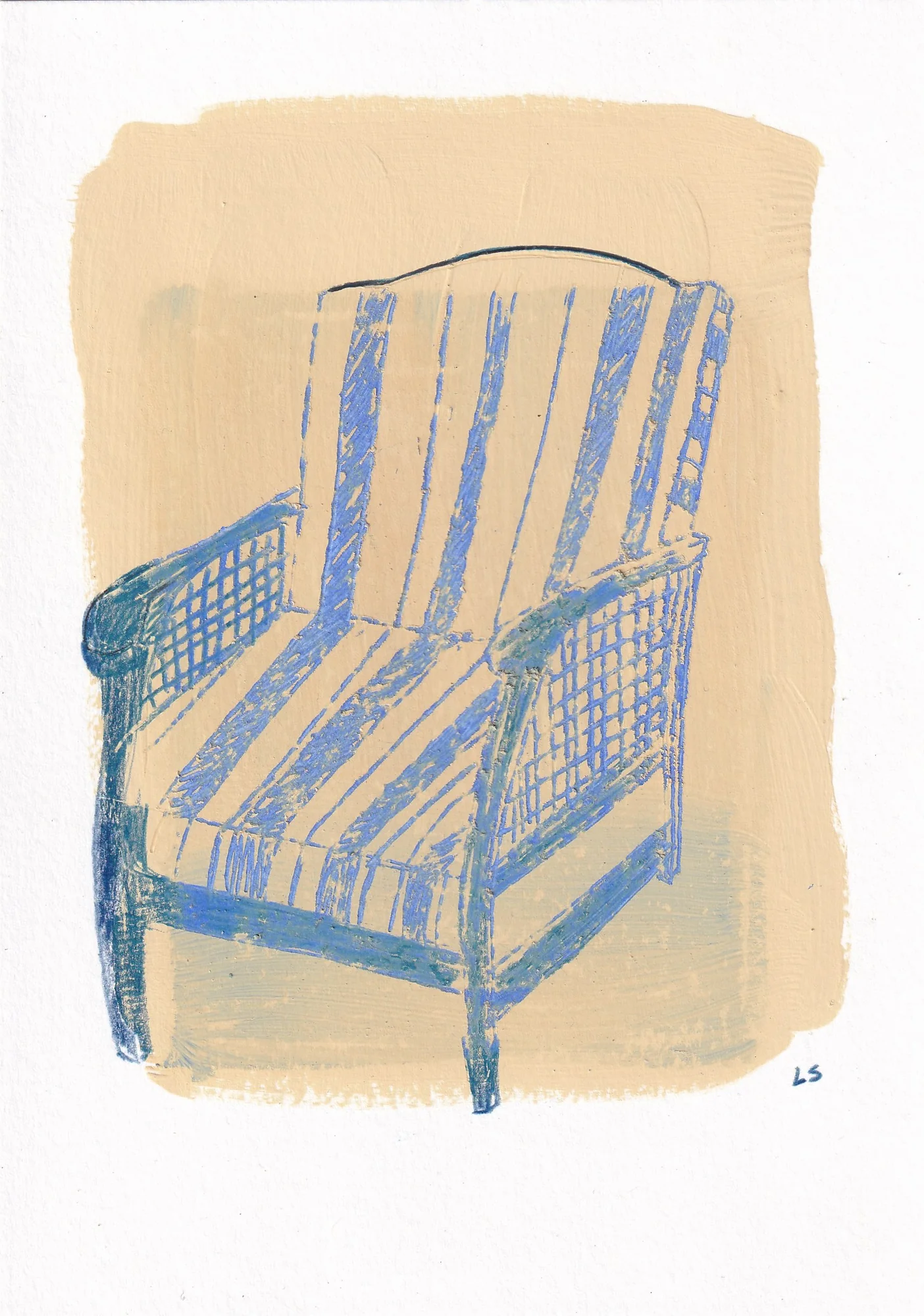
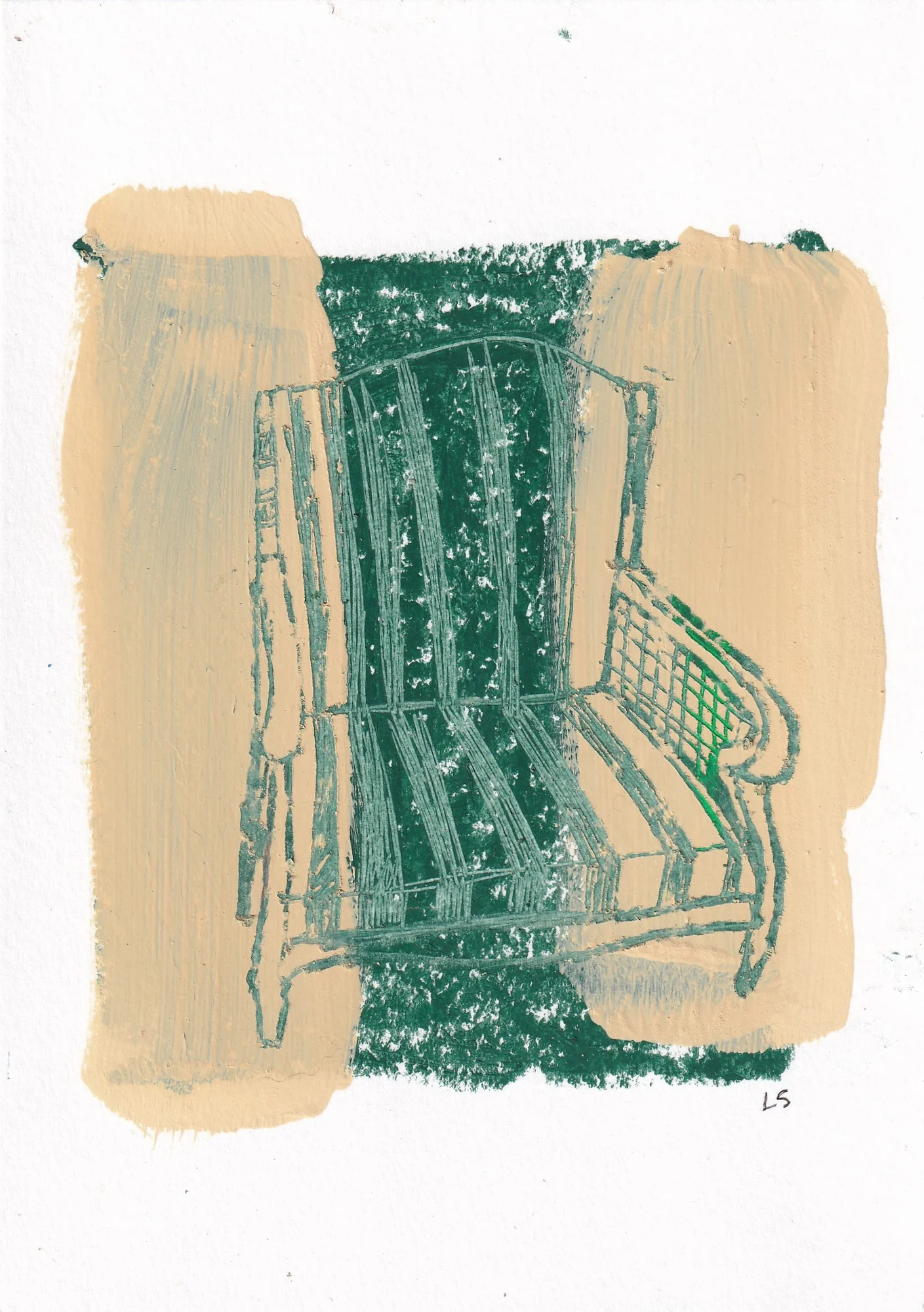
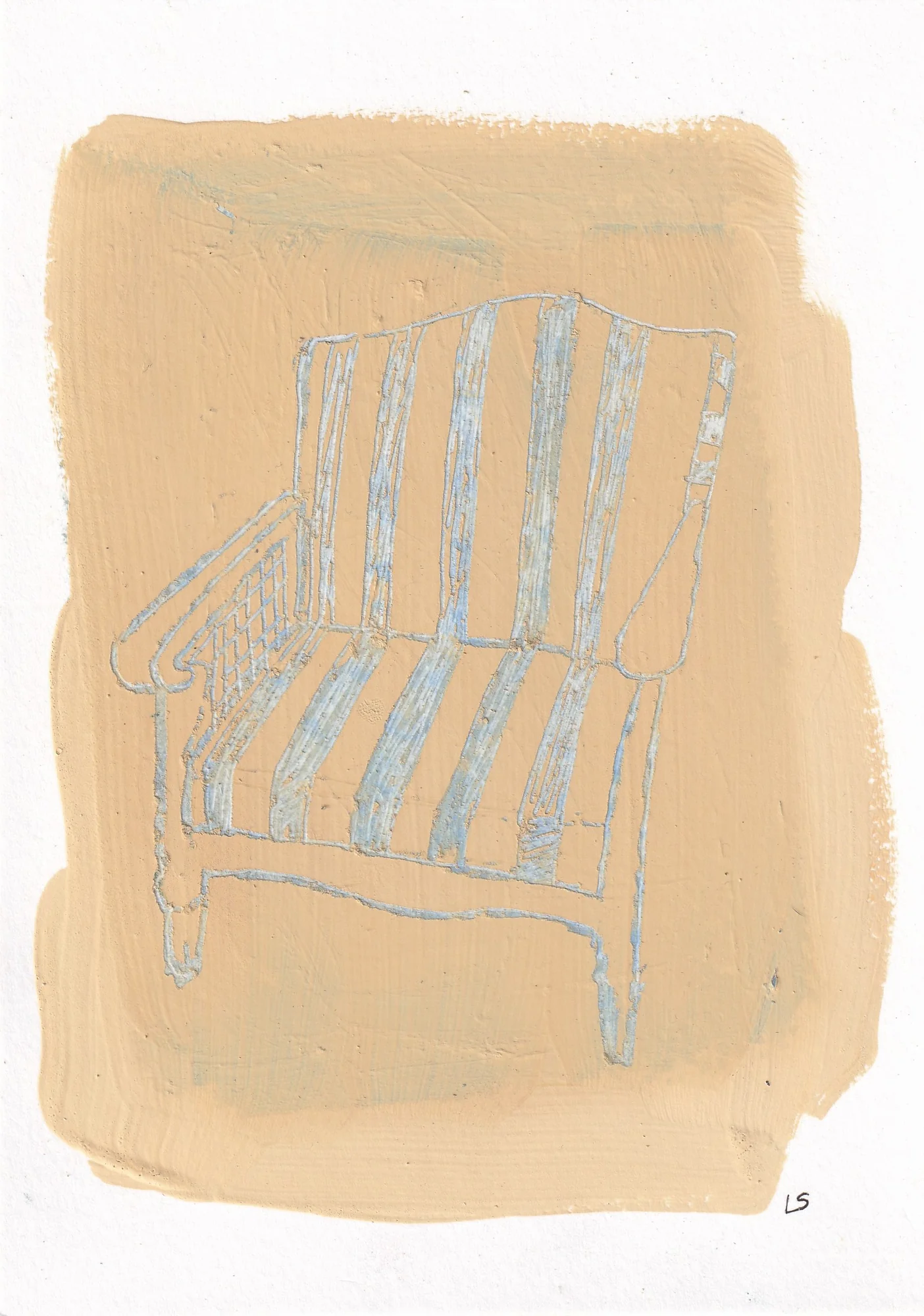
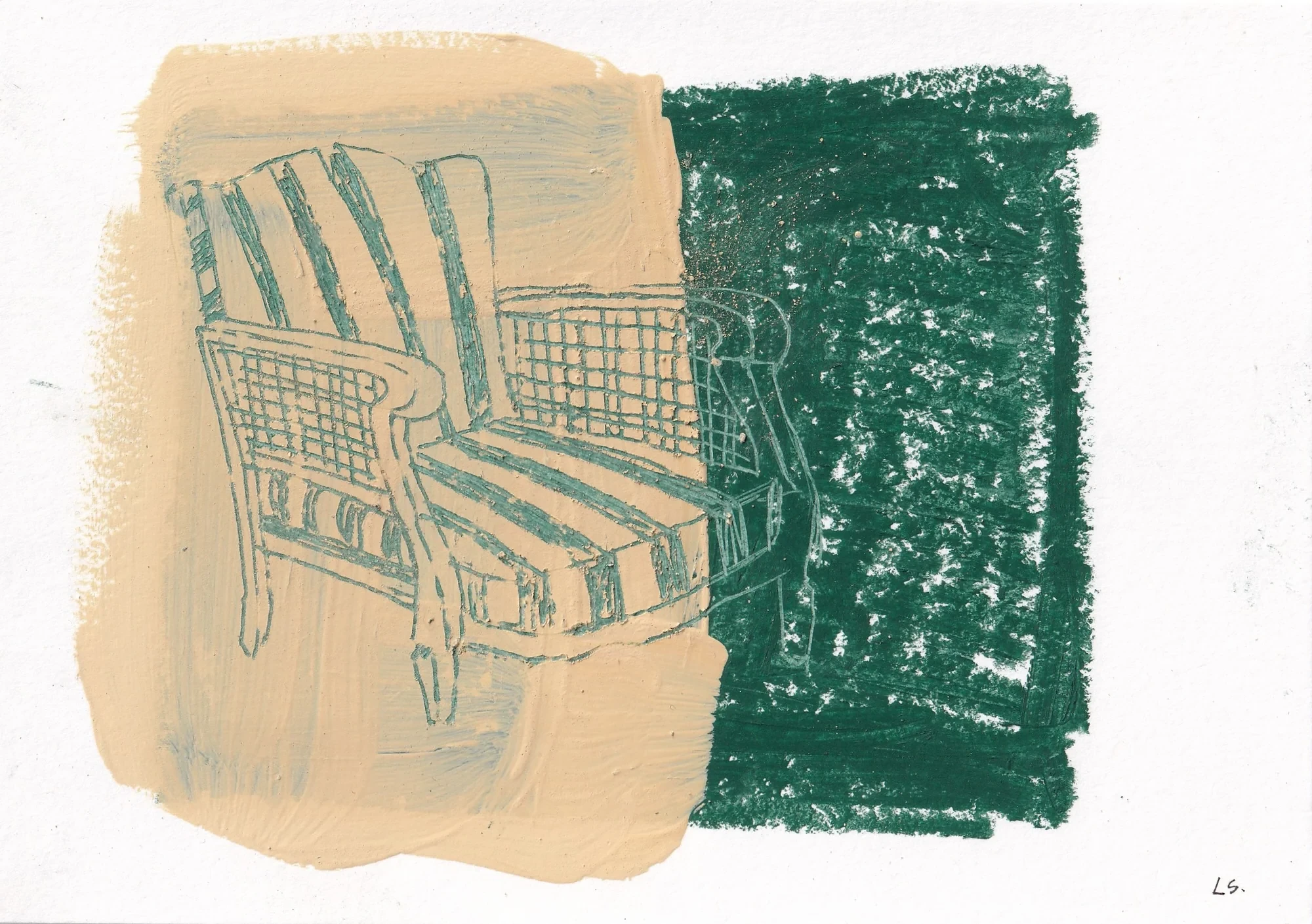
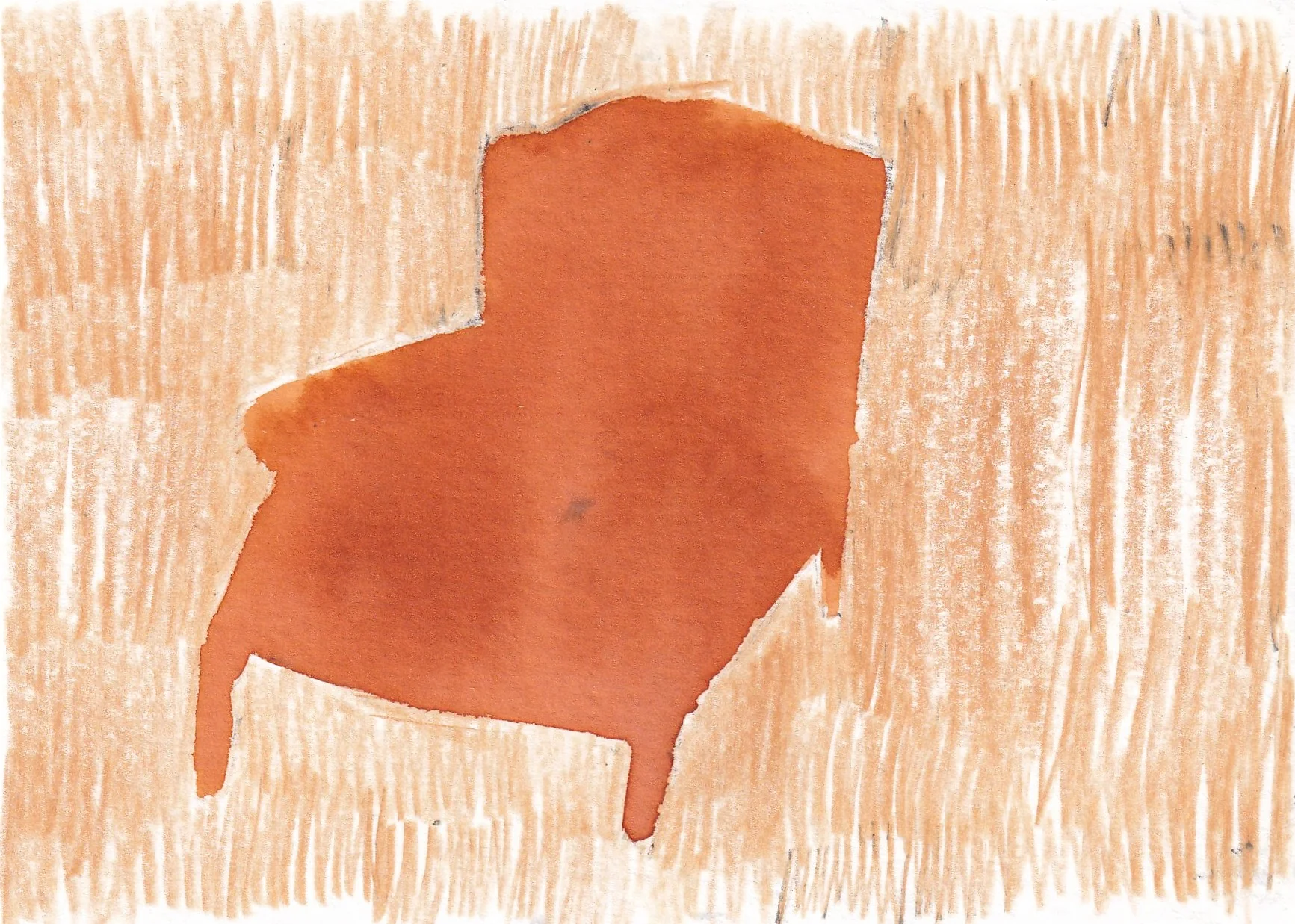
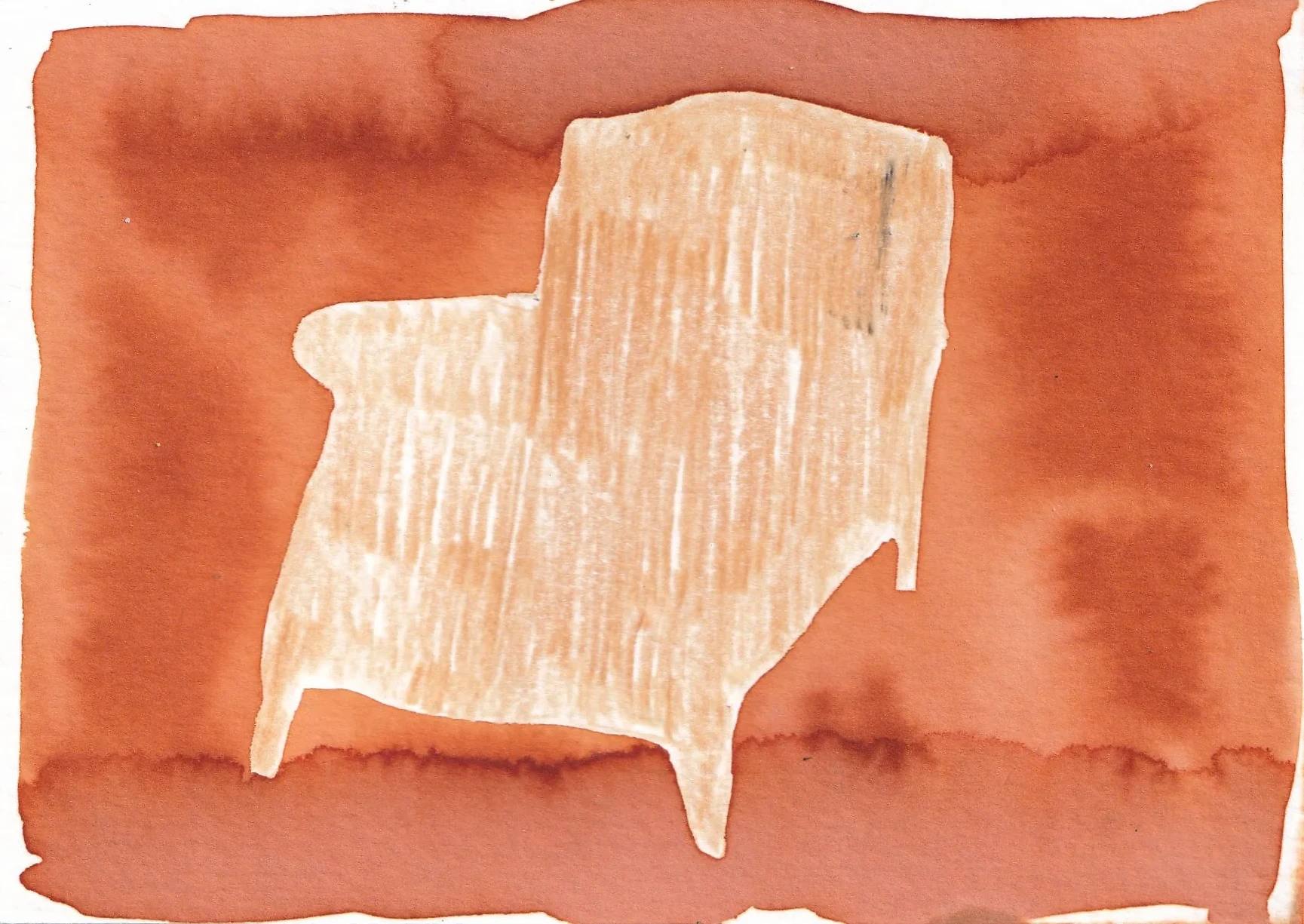
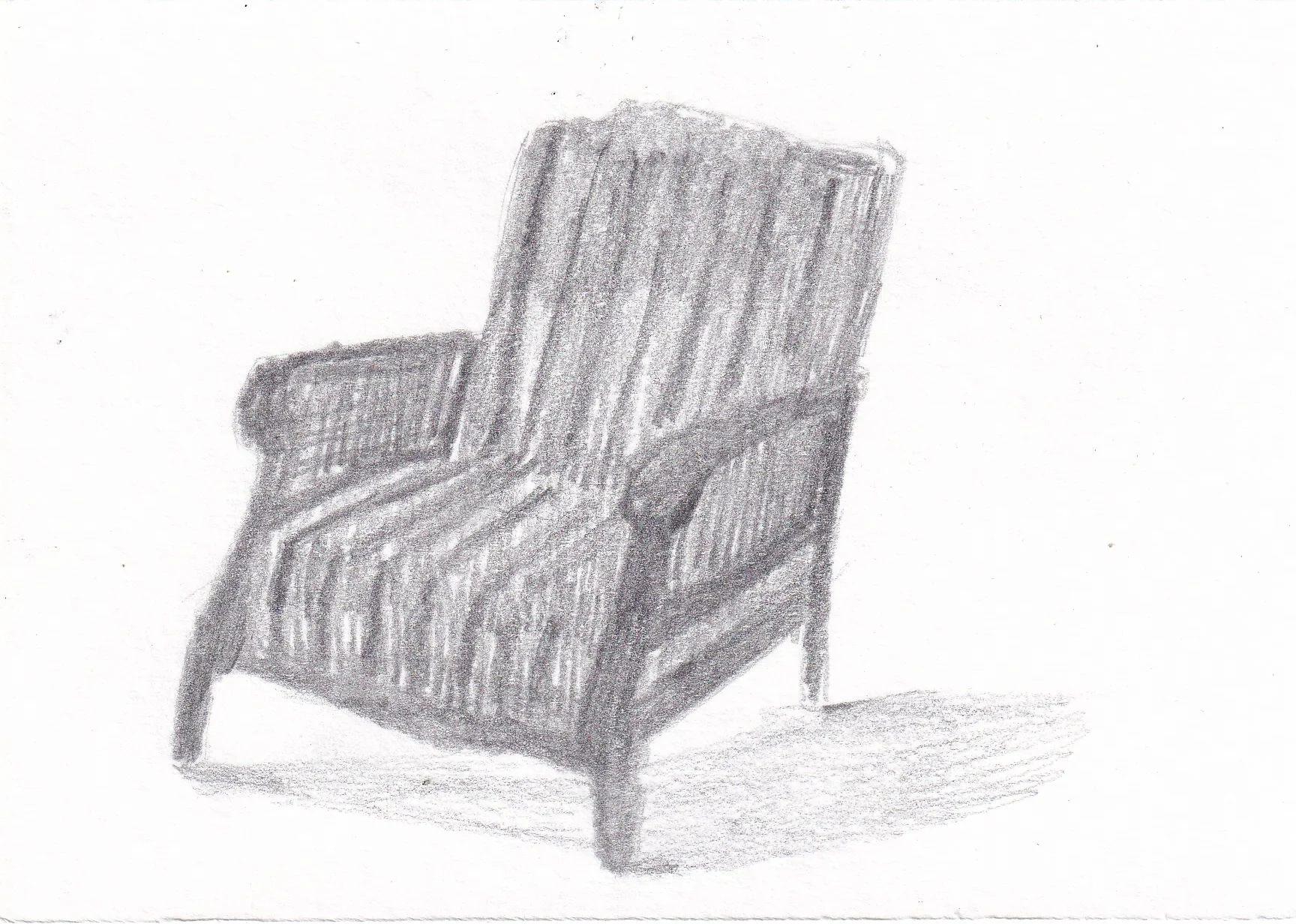
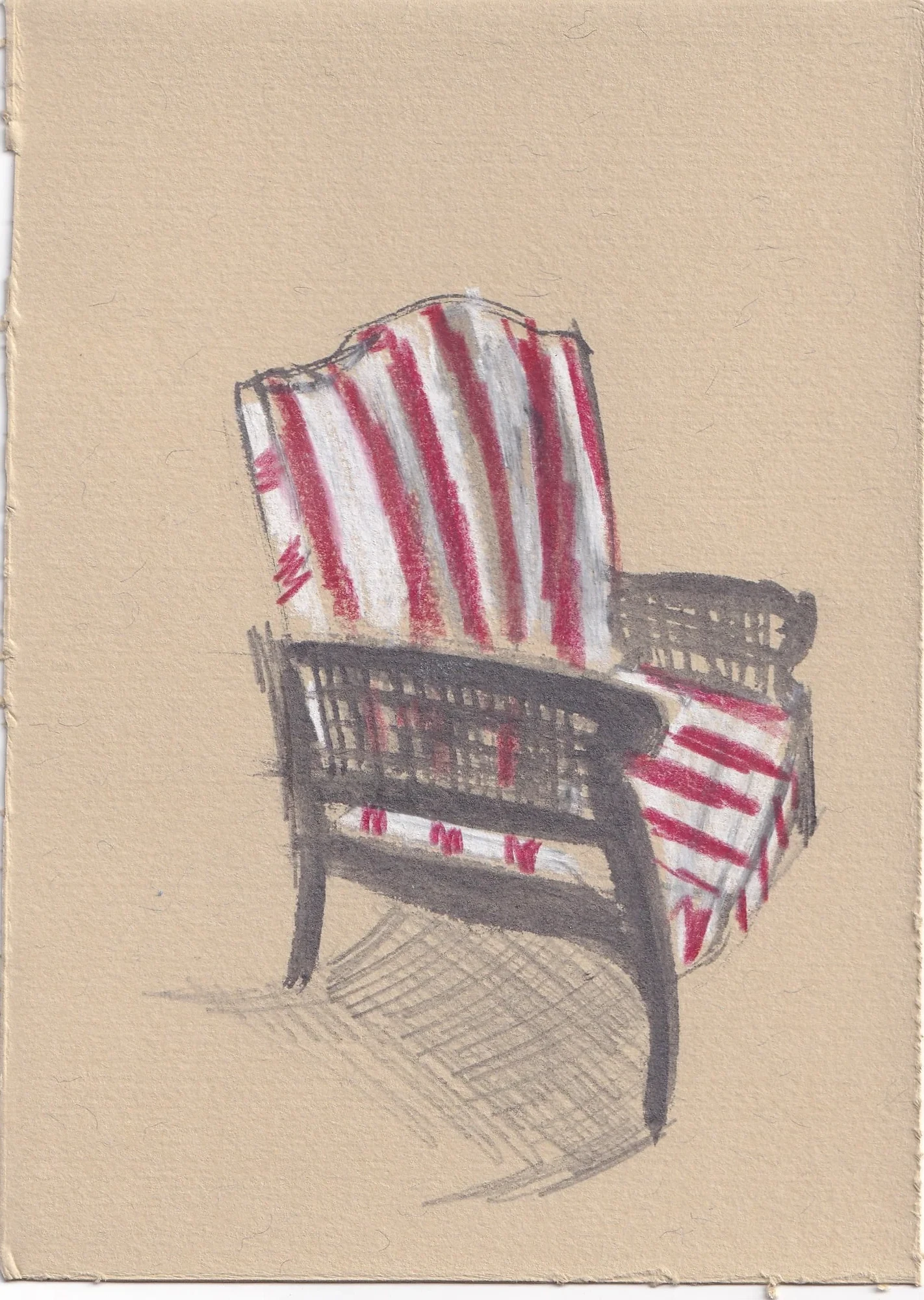
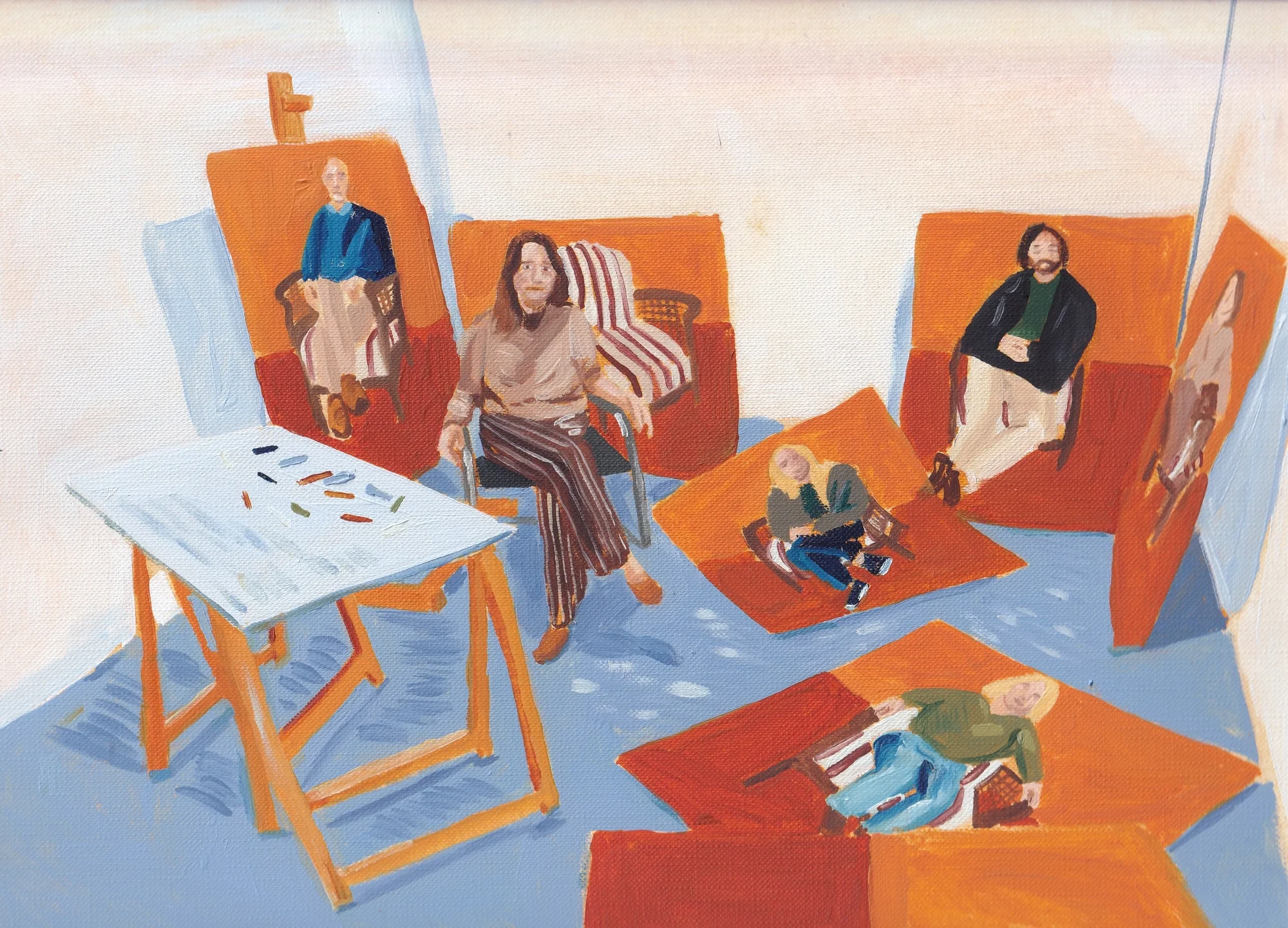
The core of the exhibition comprises eight large-scale works, each stemming from a personal conversation, accompanied by a series of 27 smaller works, all centered around the same chair. Repeated throughout the exhibition, the chair transcends its role as a mere compositional object to become a symbolic device: a space of listening, waiting, and affective projection. Its recurrence aligns the installation with contemporary practices that employ everyday objects as emotional archives, extensions of human experience, and traces of memory.
The recorded conversations introduce a performative and relational dimension, linking the work to a contemporary art tradition invested in intimacy as both political and aesthetic material. Here, conversation is no longer a mere document; it is transformed into a gesture of care, where the act of listening becomes an integral component of the artwork.
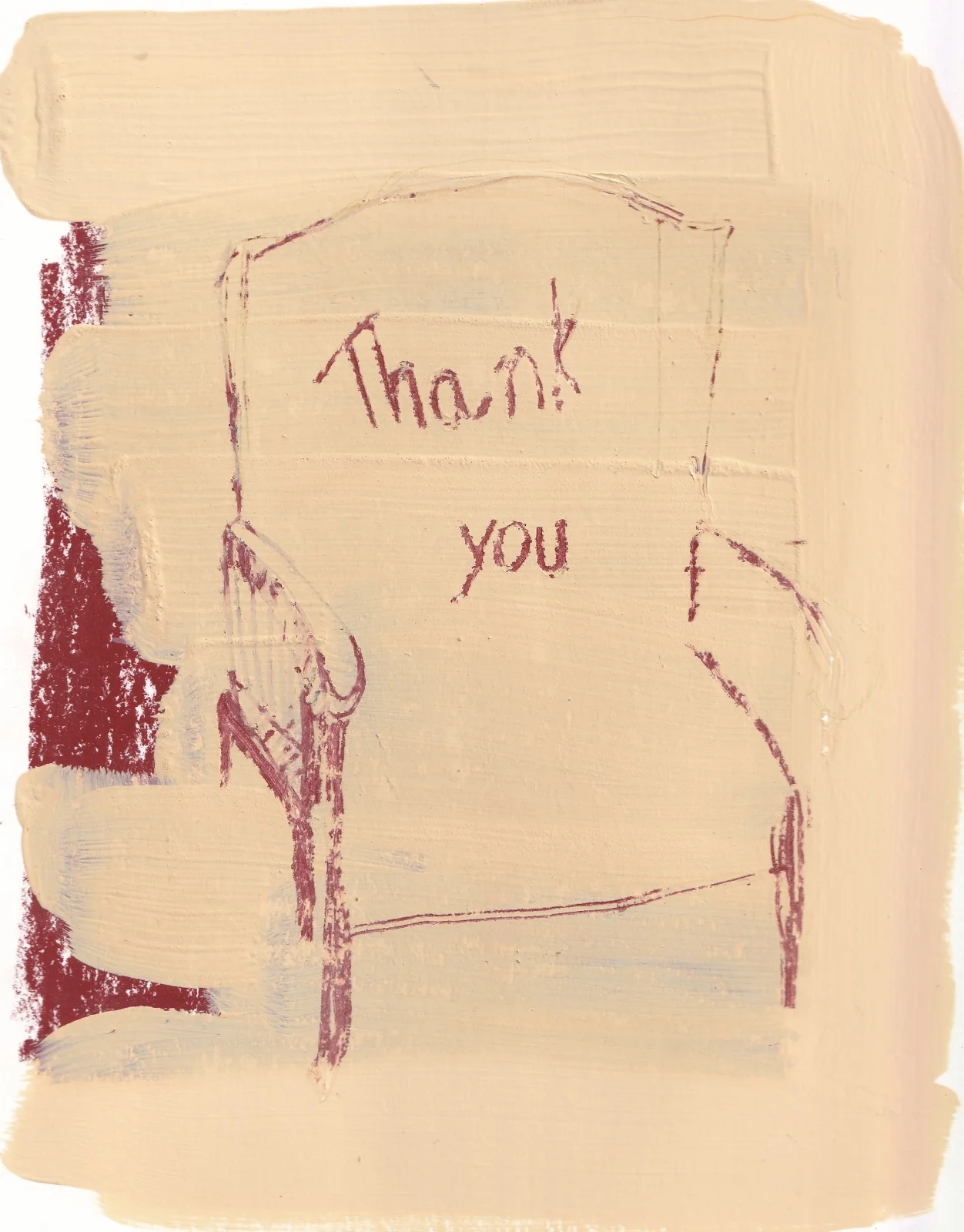
In the final work, the chair appears empty, disrupting the logic of portraiture and transferring the responsibility of recognition to the viewer. Who would you invite to sit there, to be seen, heard, and recognized? The exhibition thus creates a space to reflect on the fragility of human presence and the urgency of expressing affection before absence renders that gesture impossible.
Works: