PHANTOM PAIN
With the following artists:
Tinho & Tiago Evangelista.
text by Renato Ferreira ,
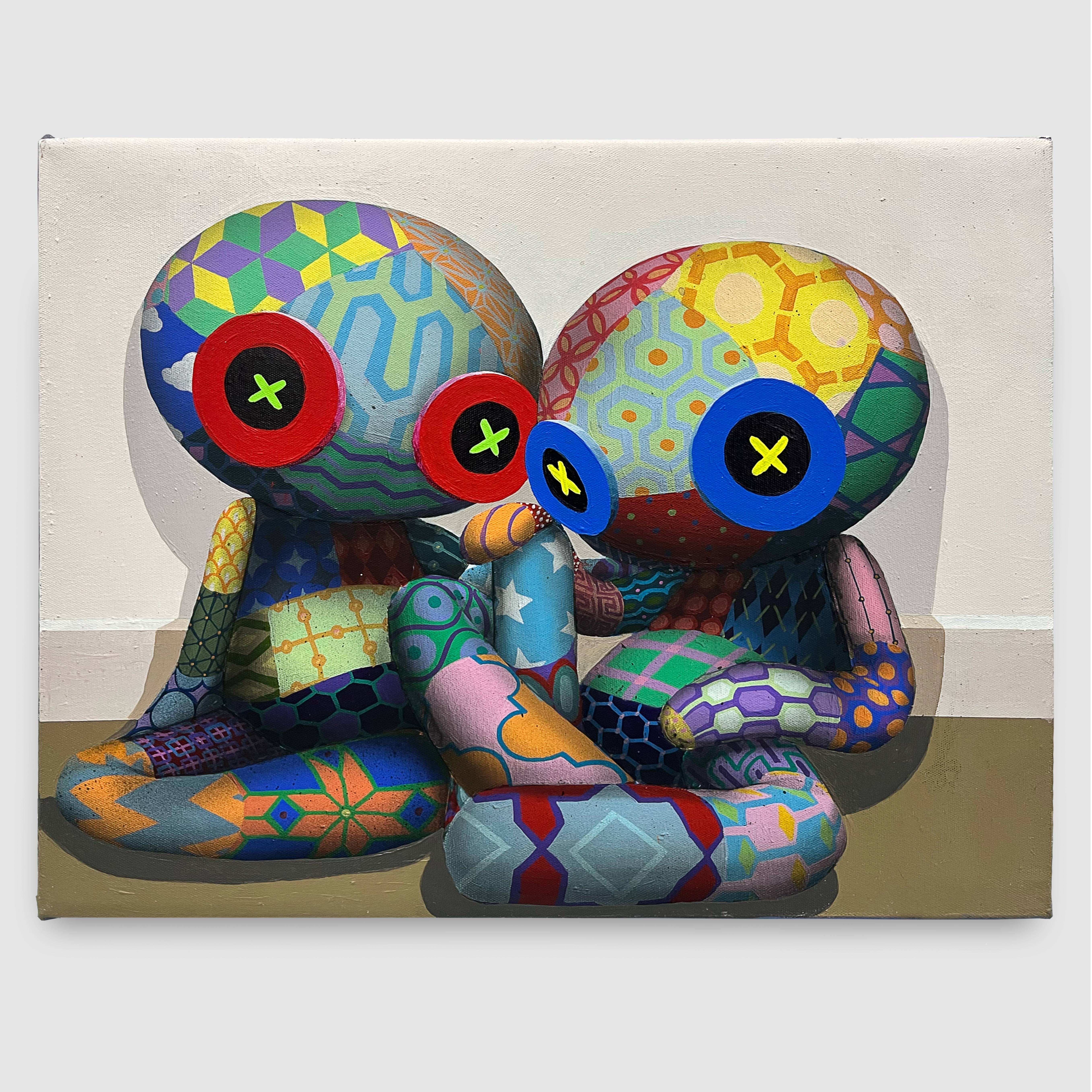
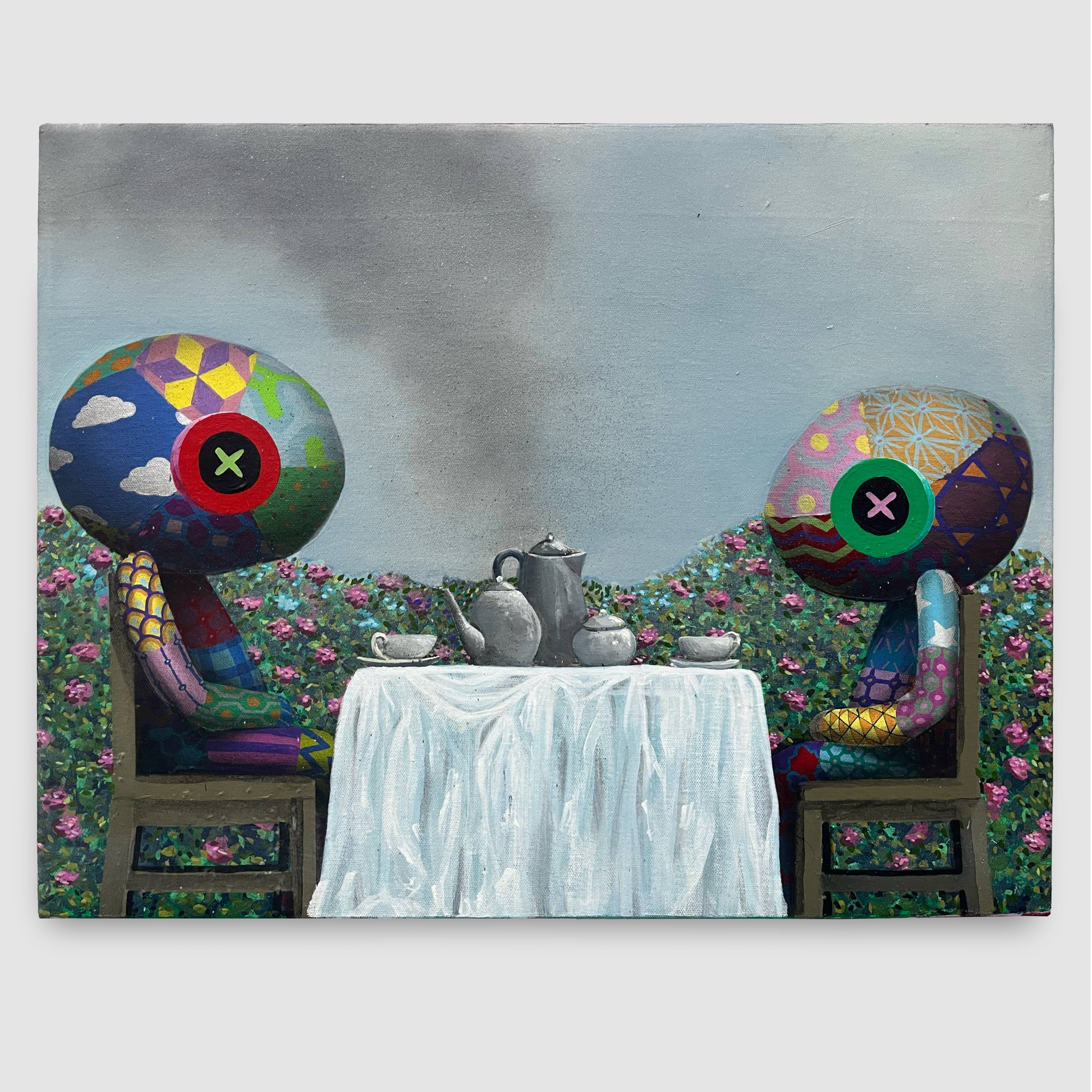
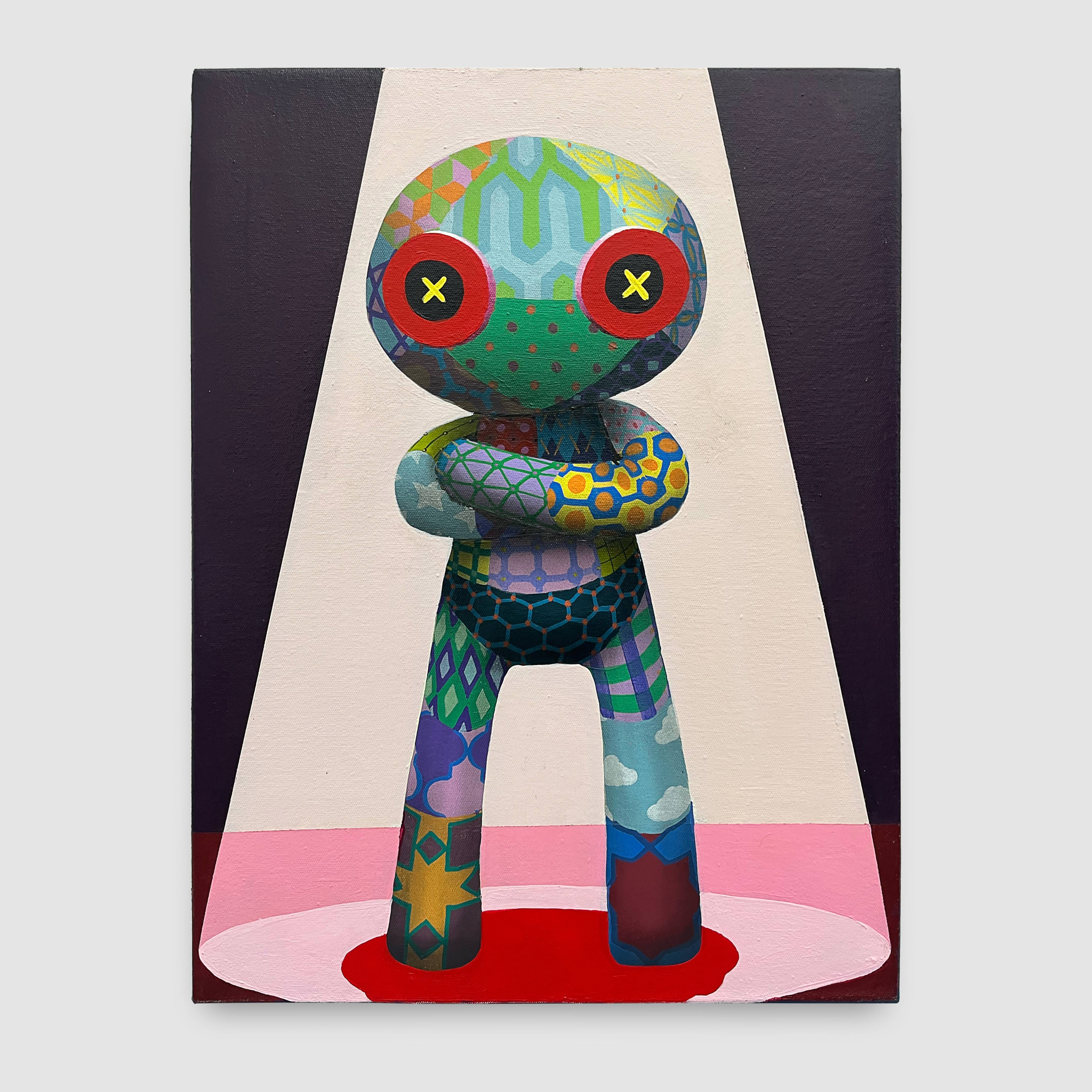
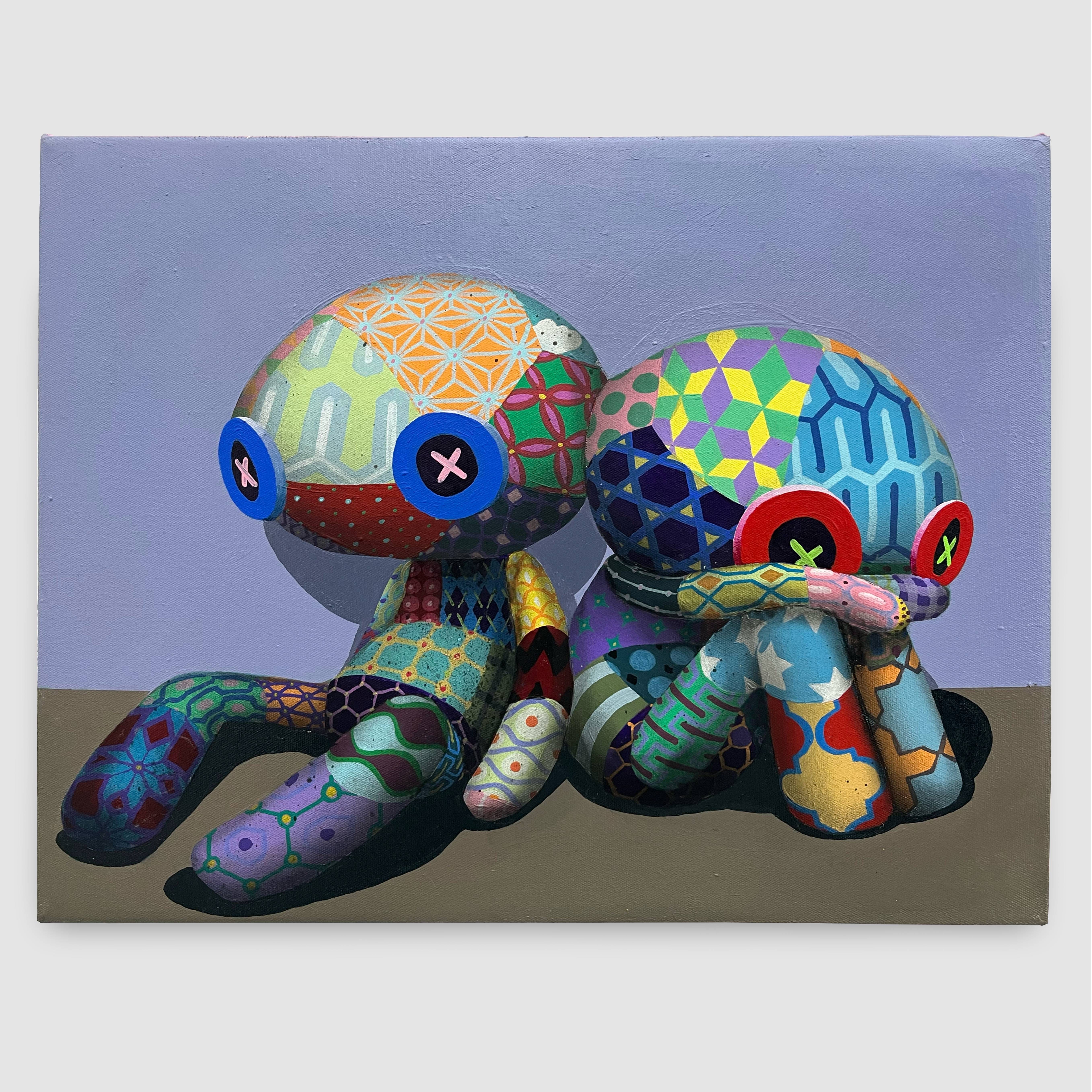
The works of Tinho and Tiago Evangelista immediately evoke our juvenile imagery, offering a first impression of characters that feel somehow familiar to us. However, both artists works challenge this initial glance, refusing to coexist merely as a comforting exercise in nostalgia.
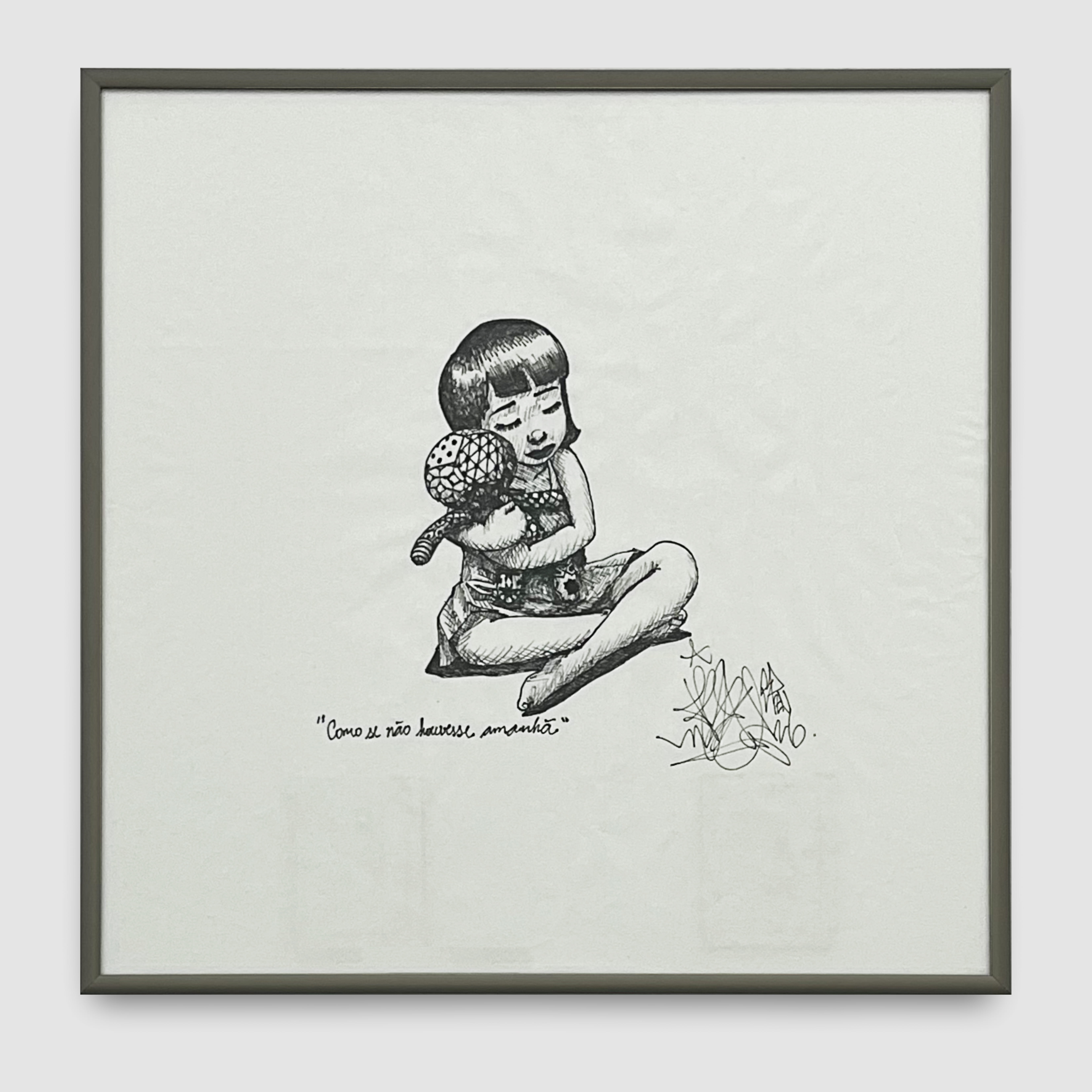
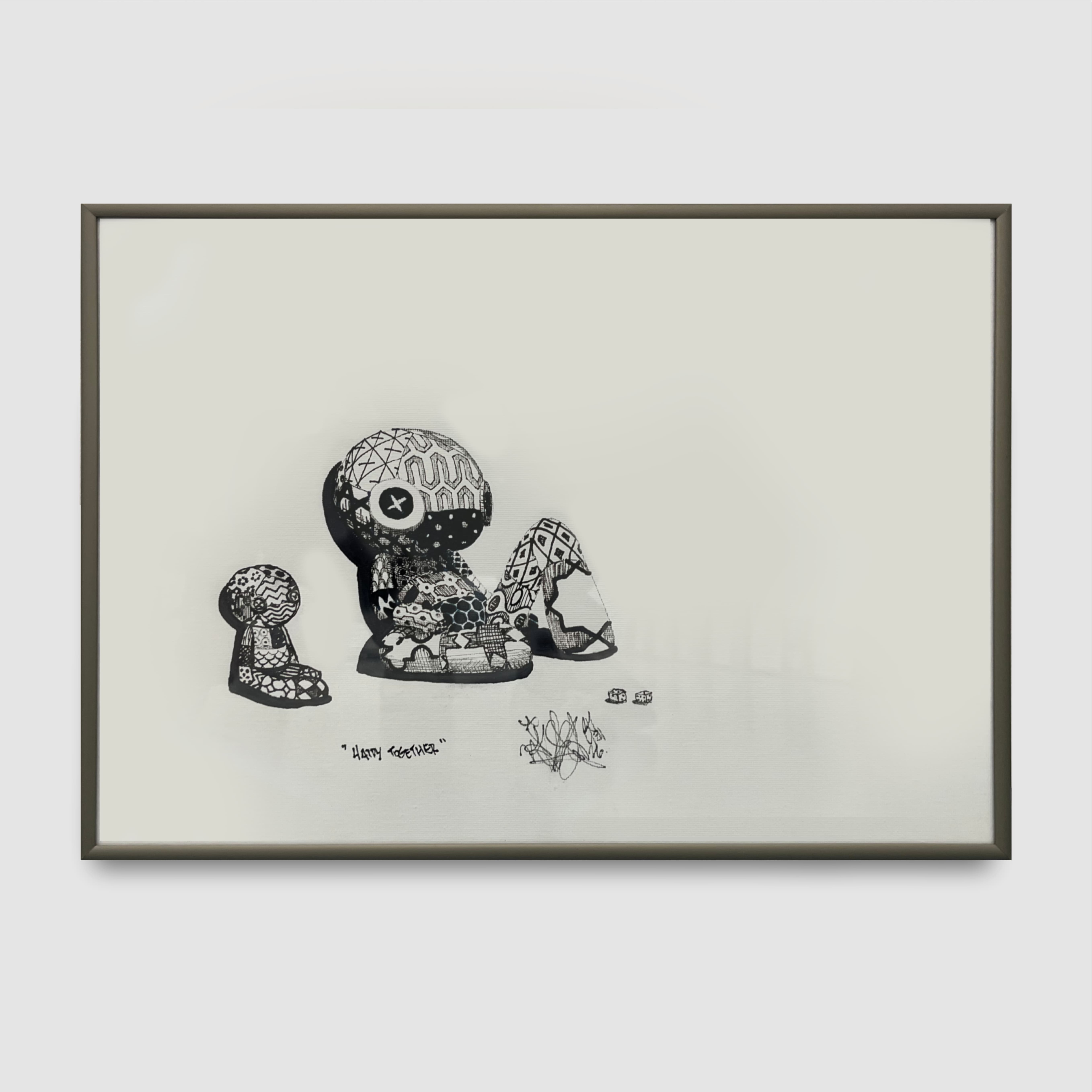
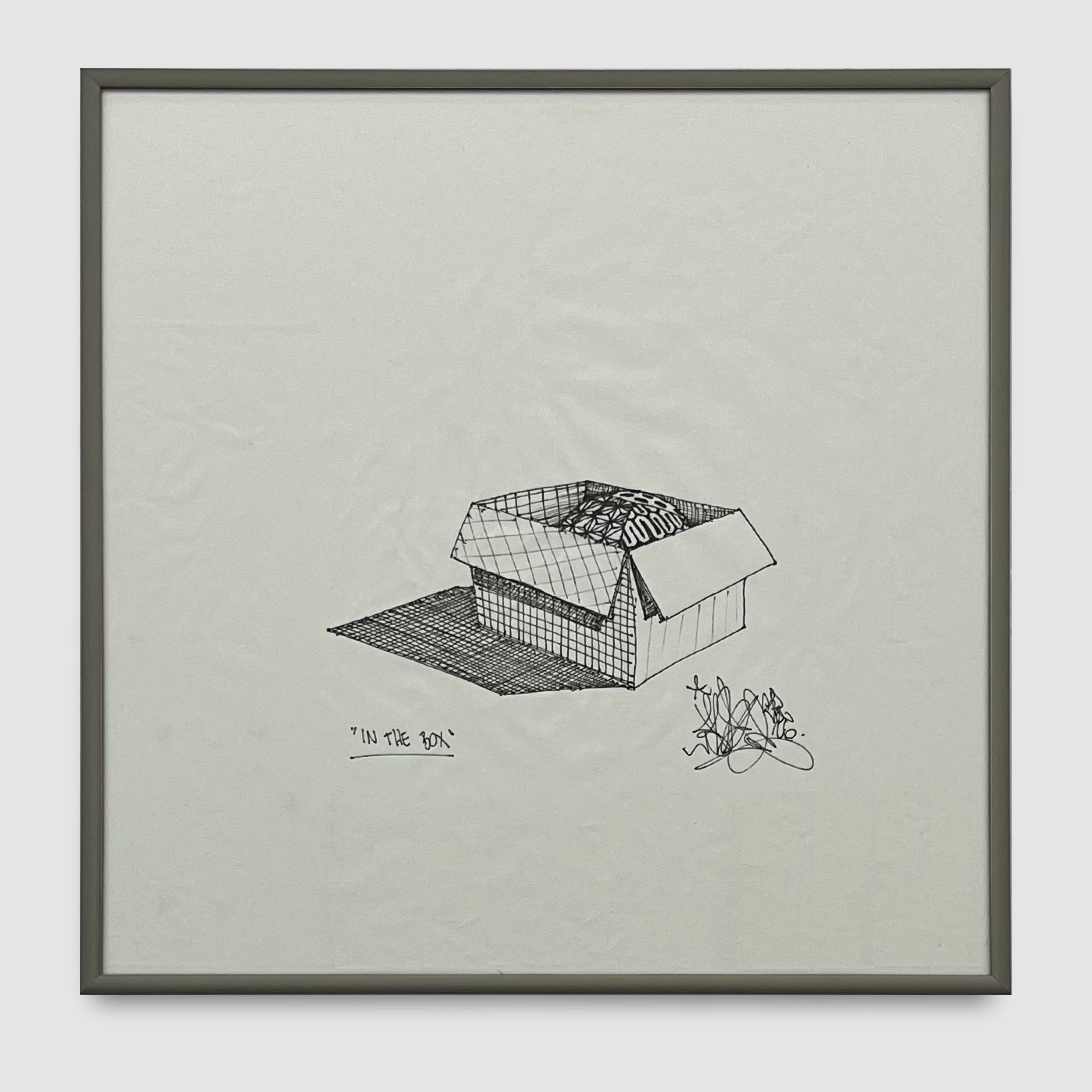
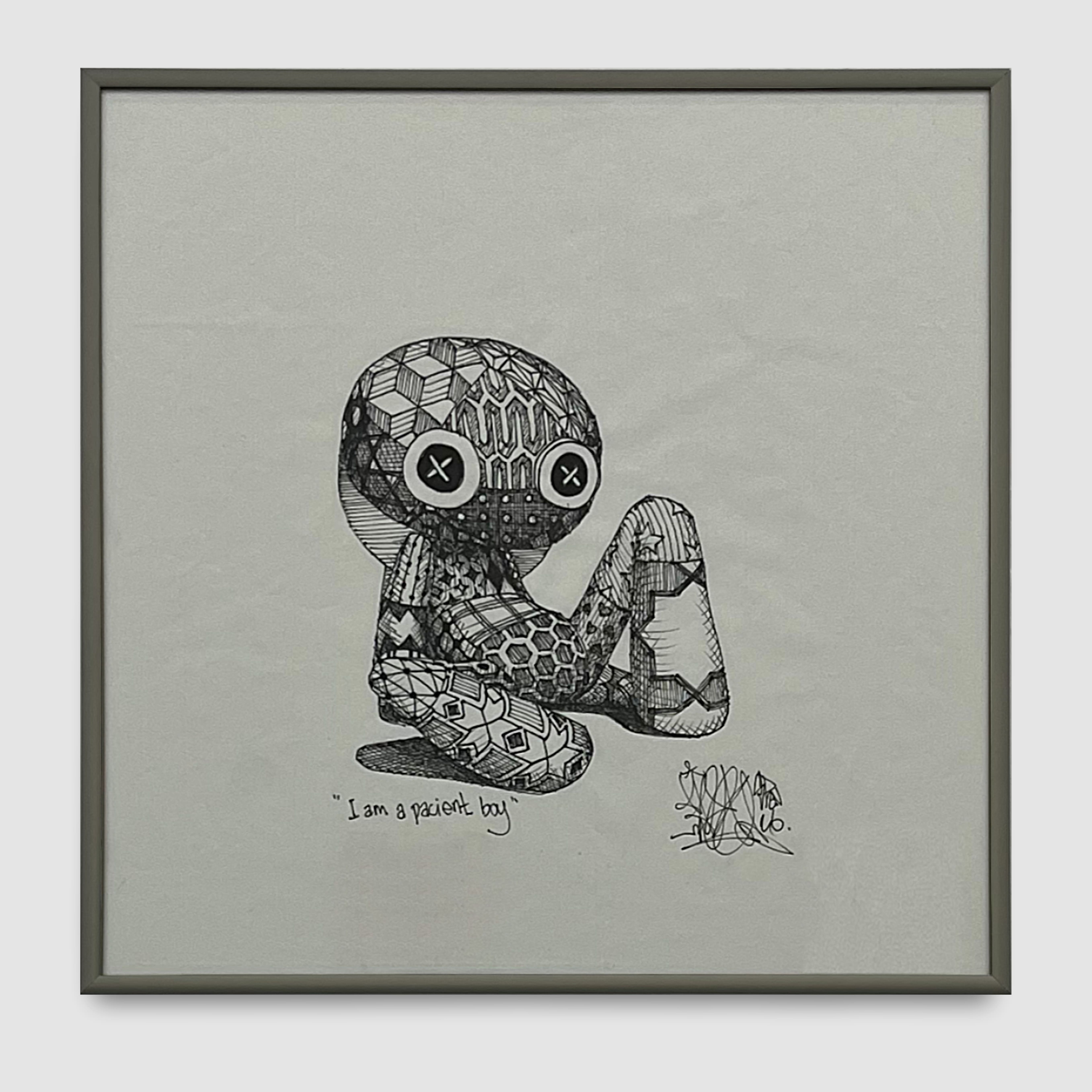
In the work of artist TINHO (b. 1973, Brazil), a pioneer of the 1980s "pixação" movement, the rag doll transcends childhood innocence to establish itself as an alter ego. Crafted from pieces of fabric with geometric patterns and distinct textures, within its body he carries, through every texture and pattern an experience, a behavior, a piece of our identity, and our interpersonal relationships.
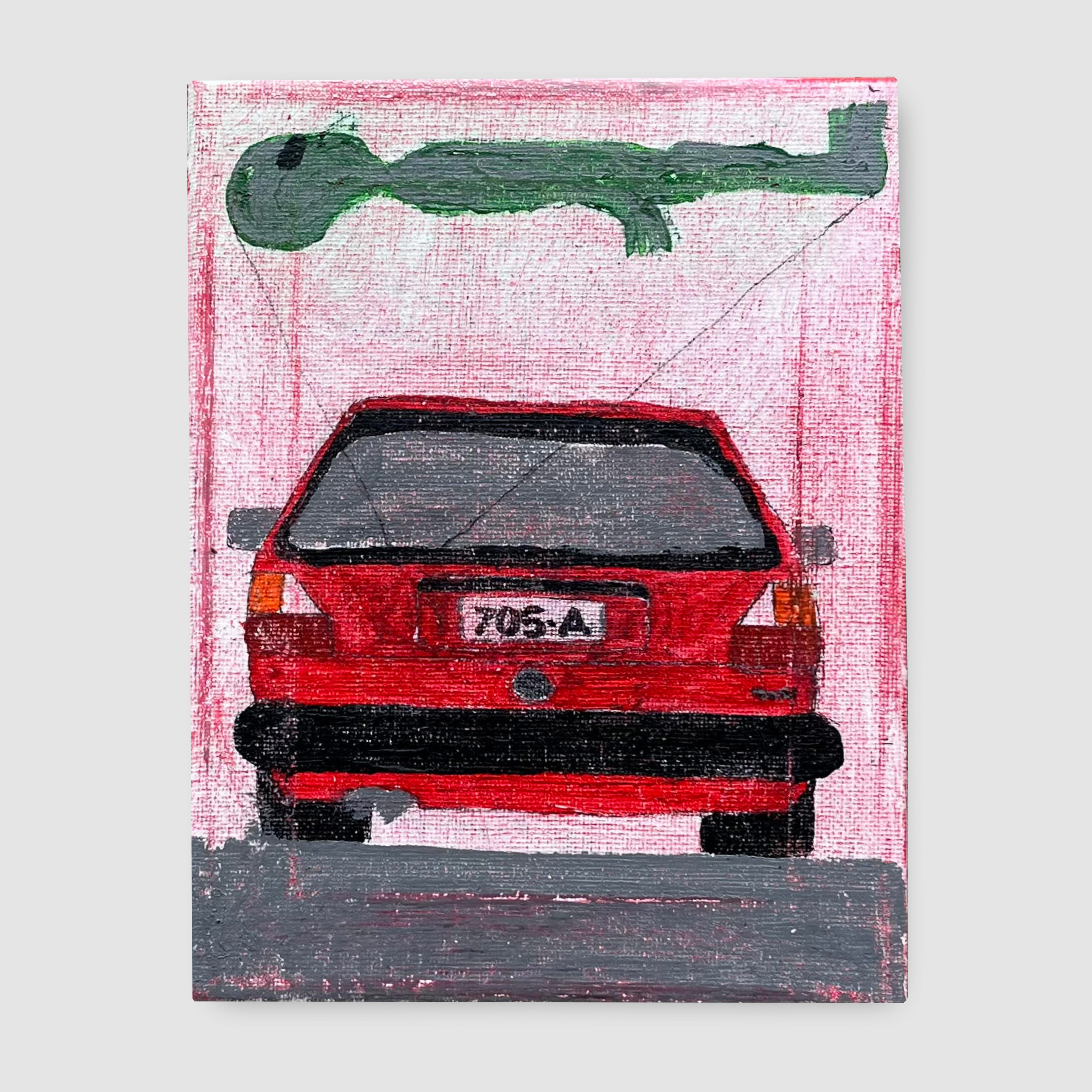
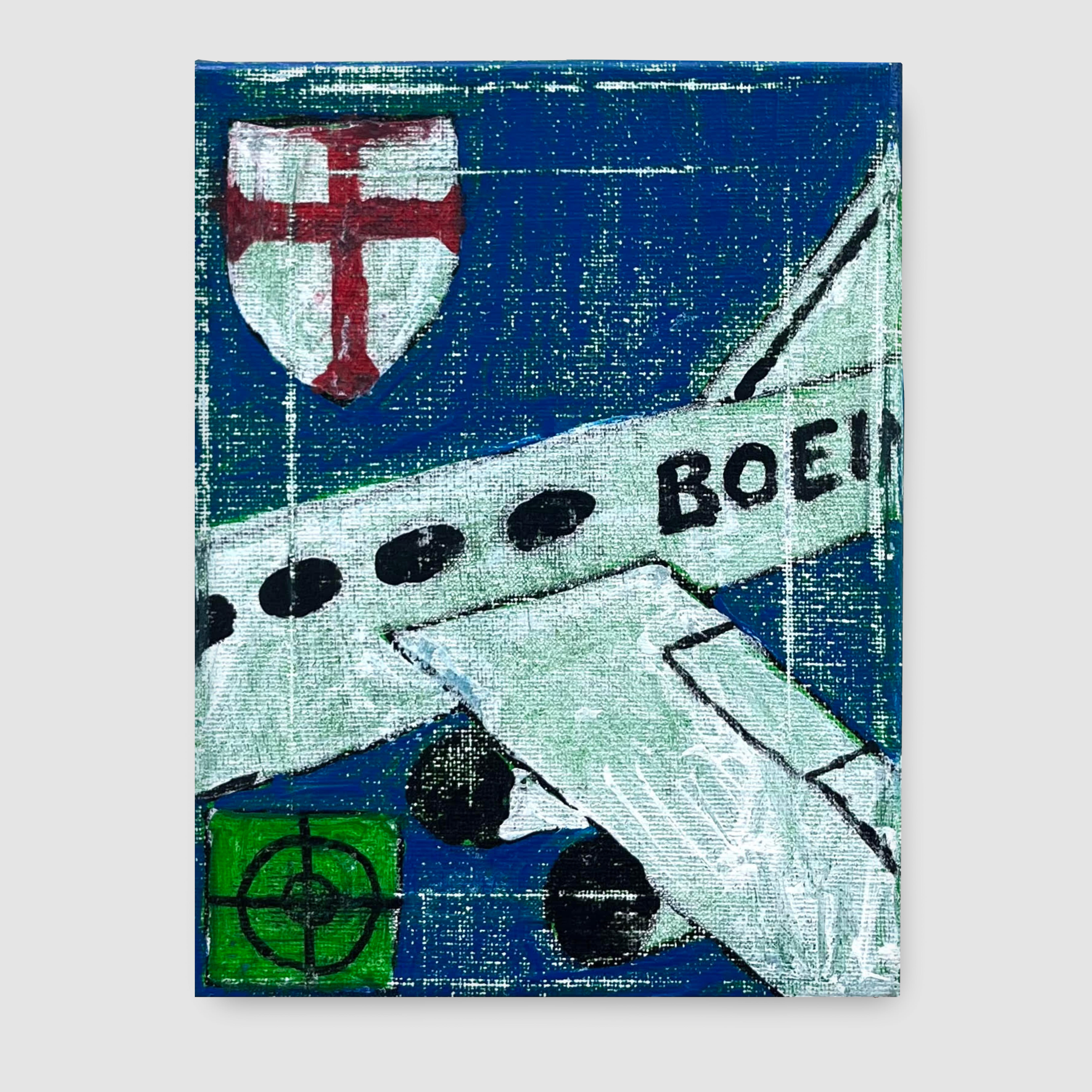
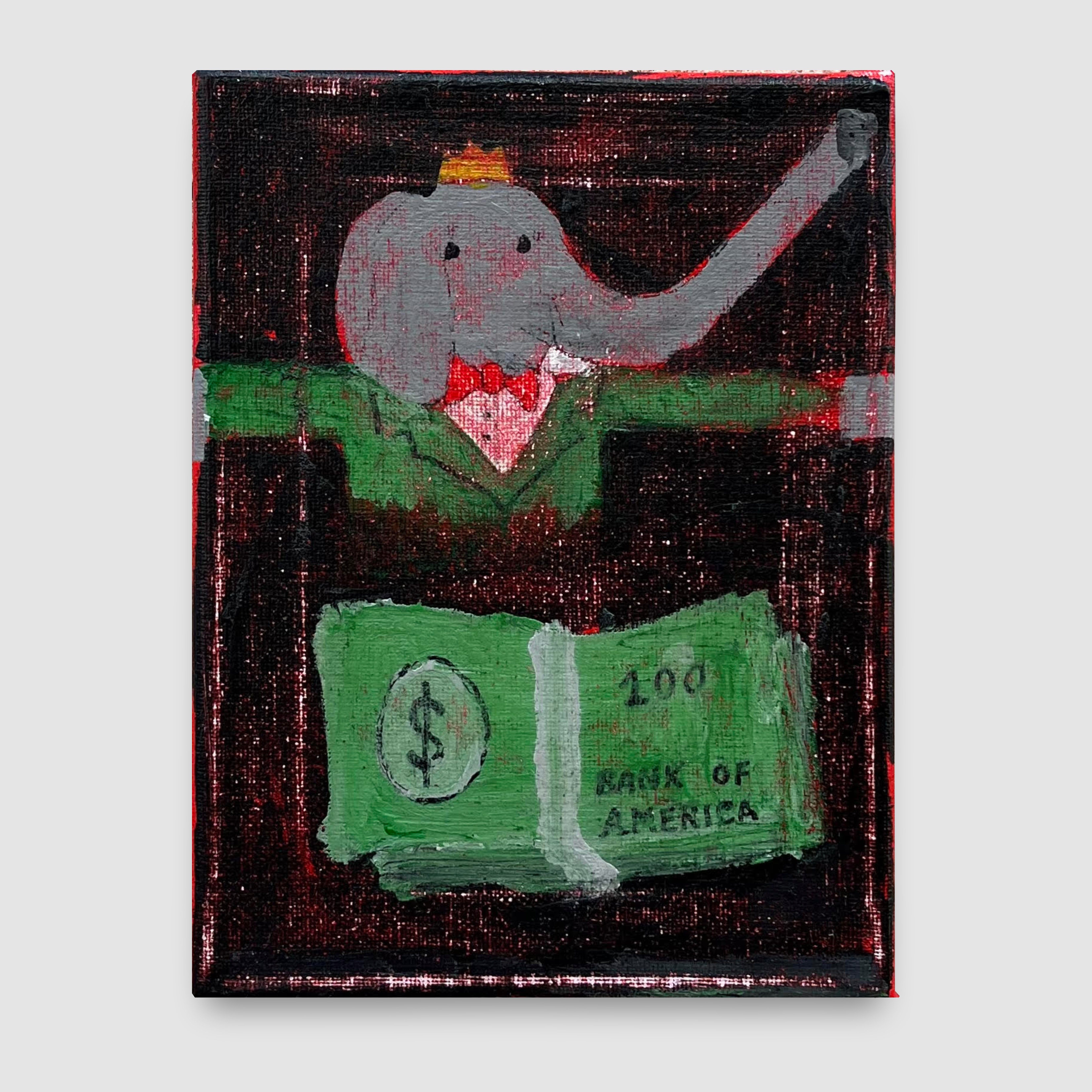
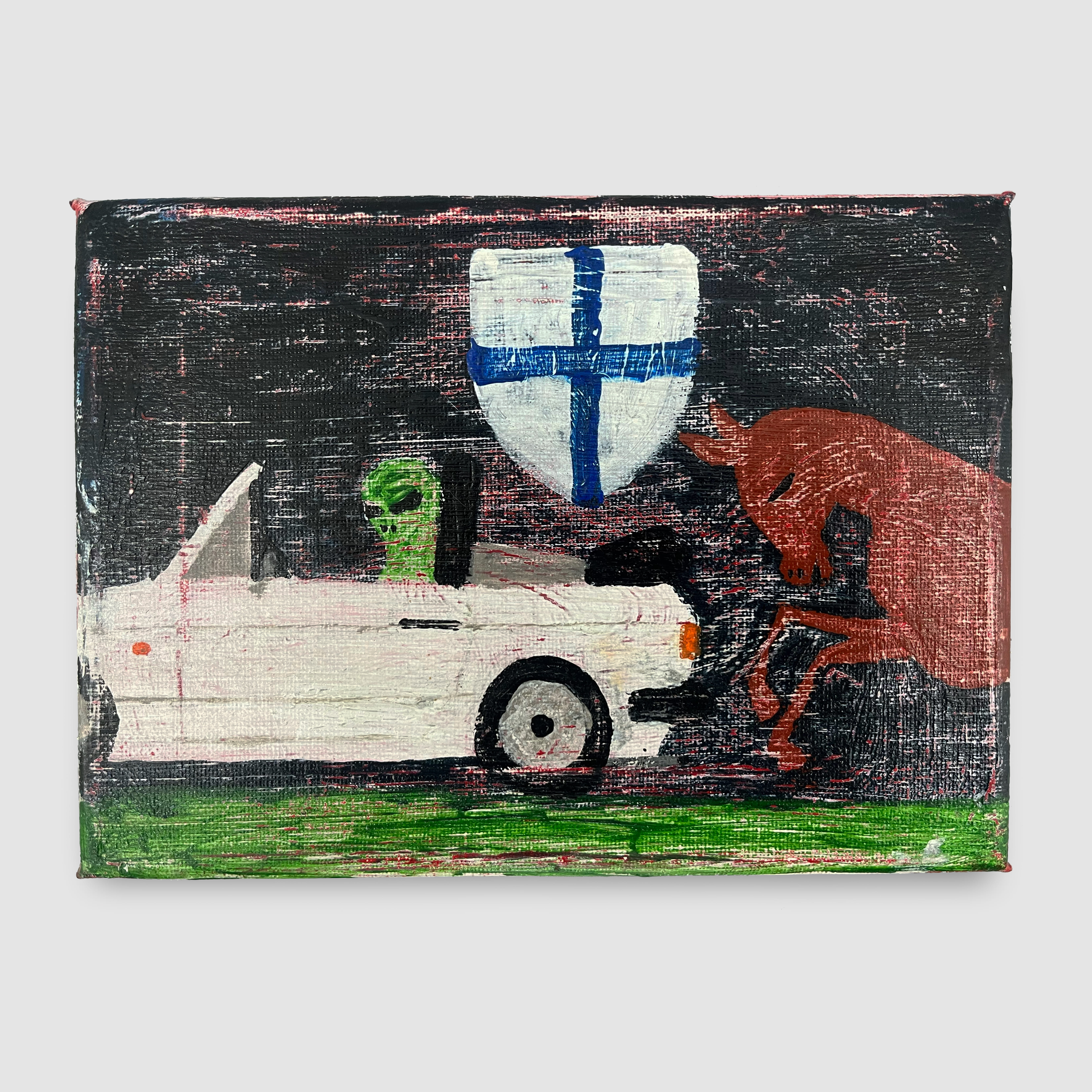
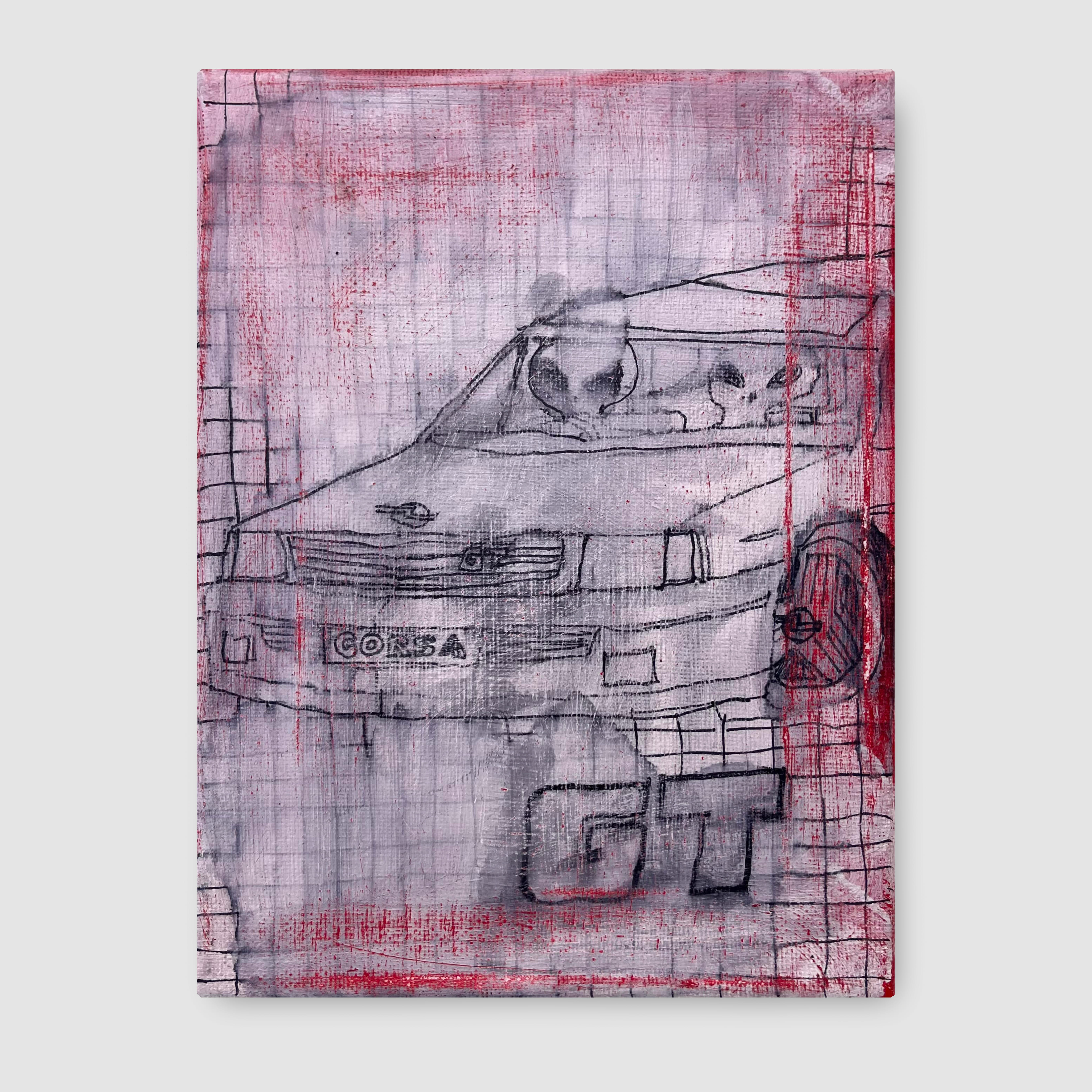
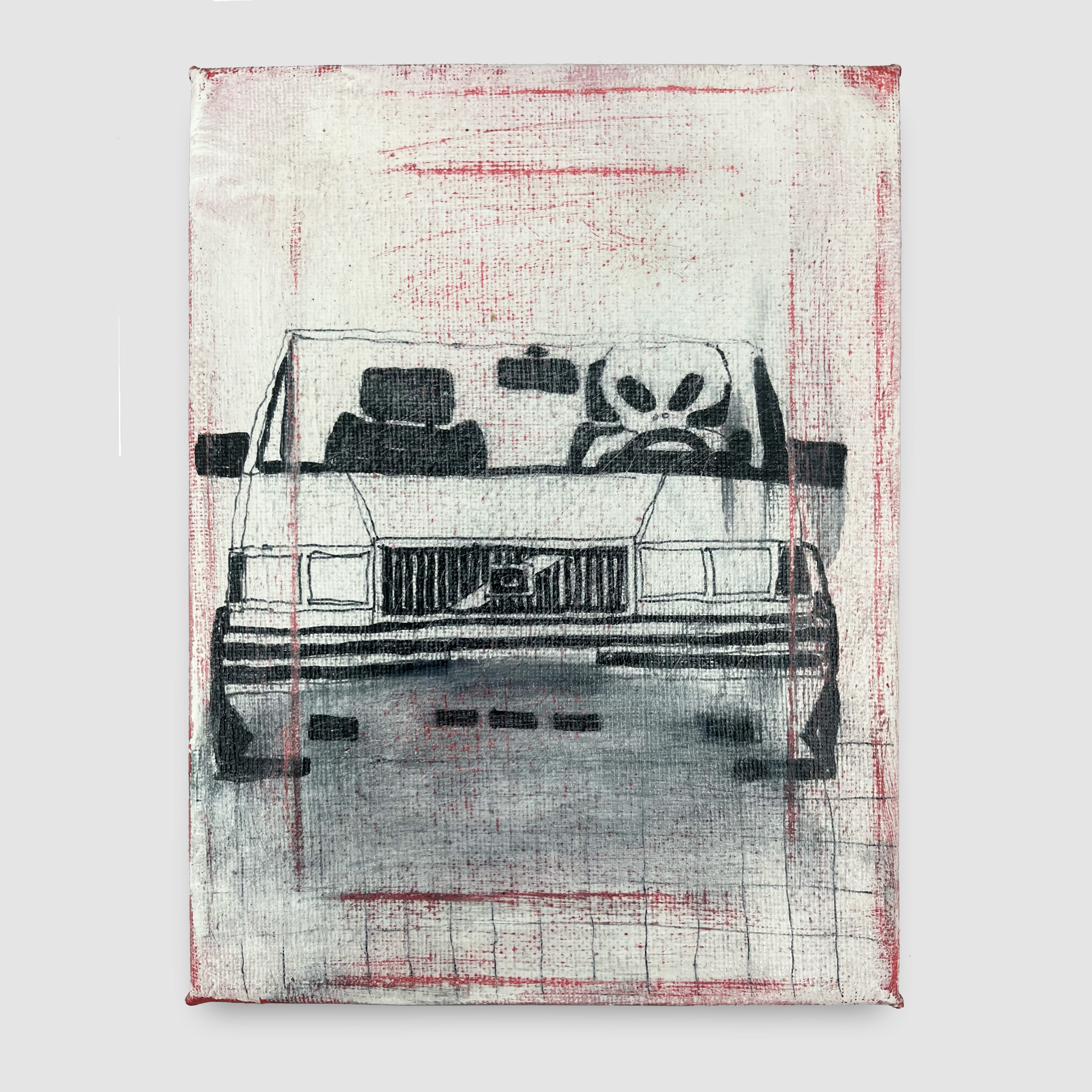
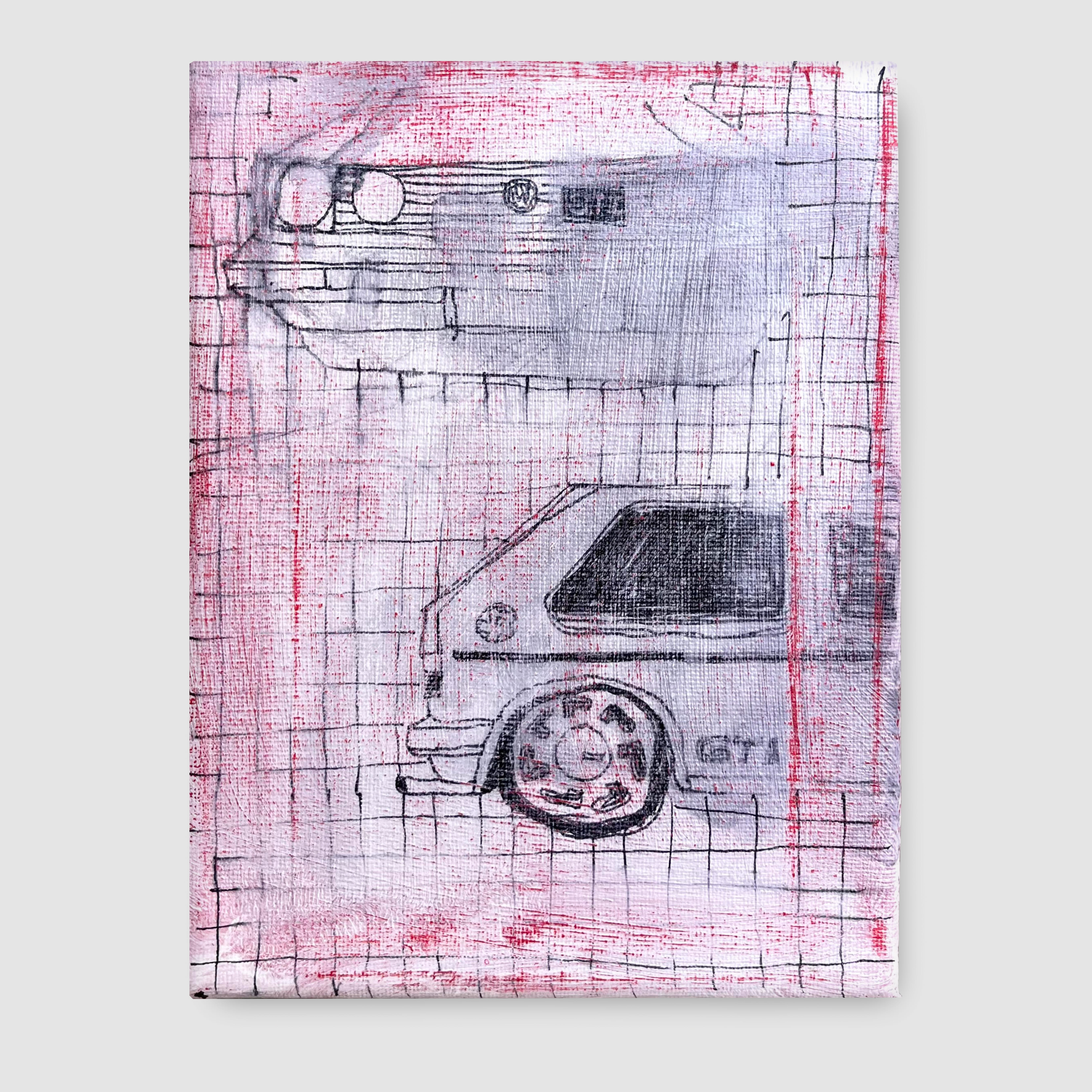
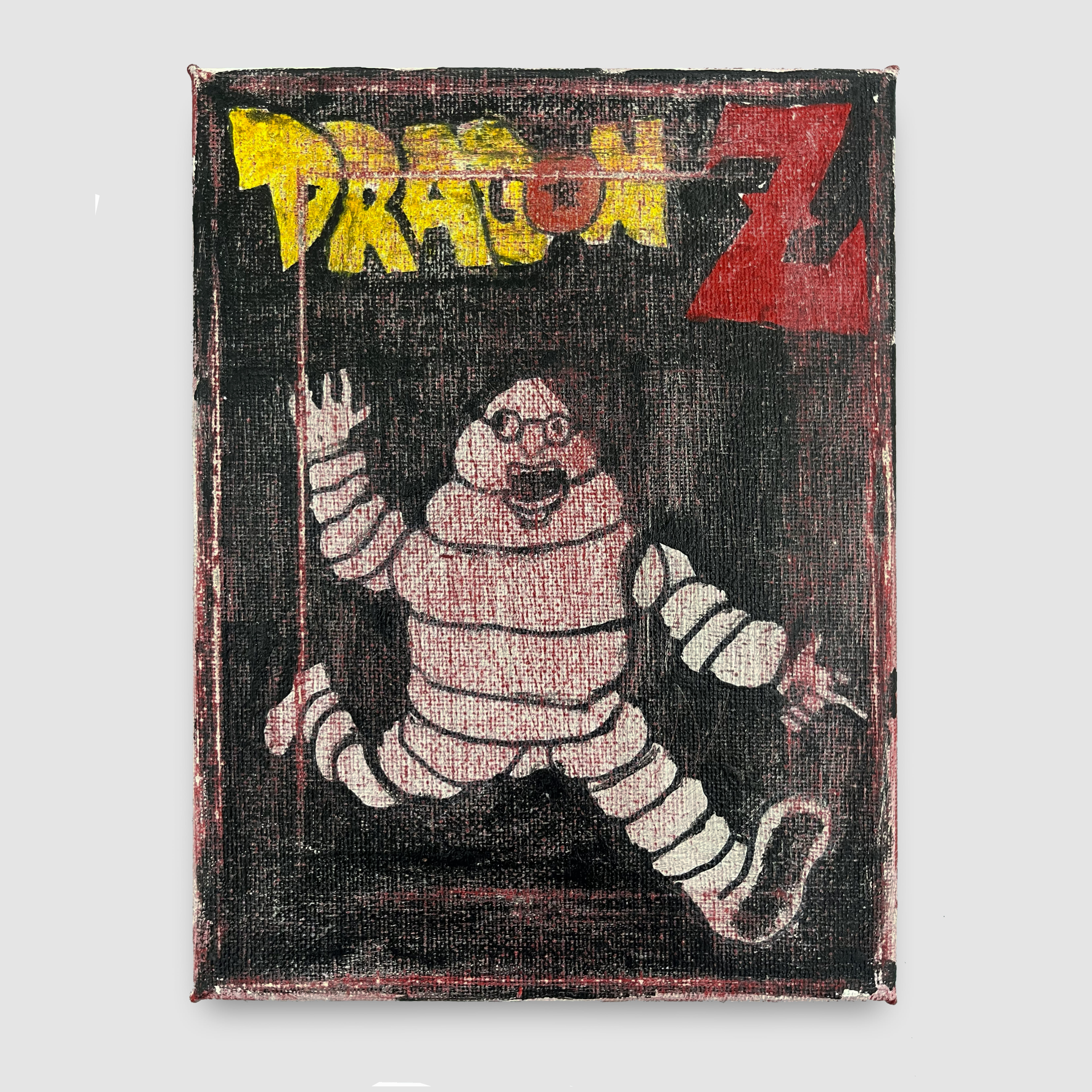
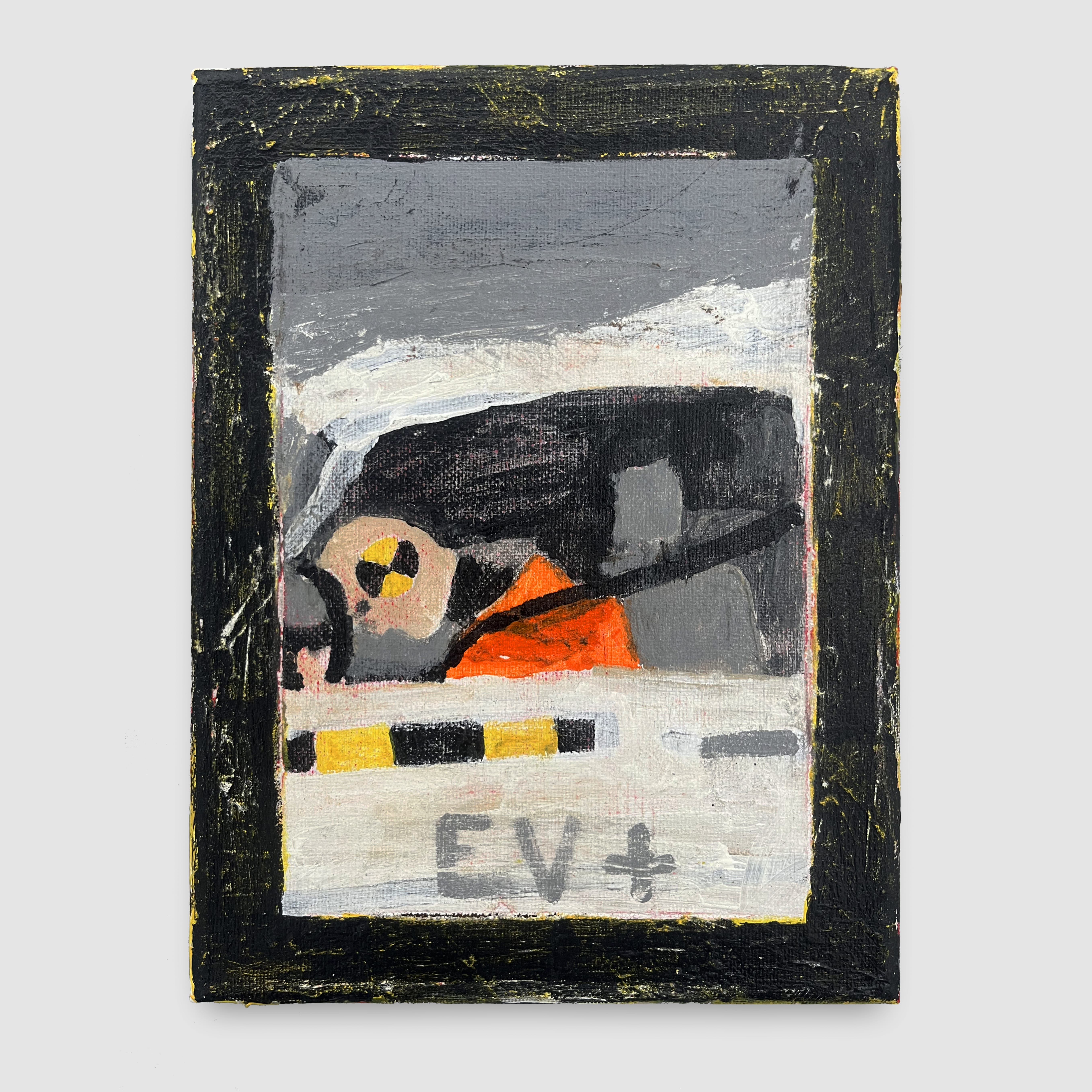
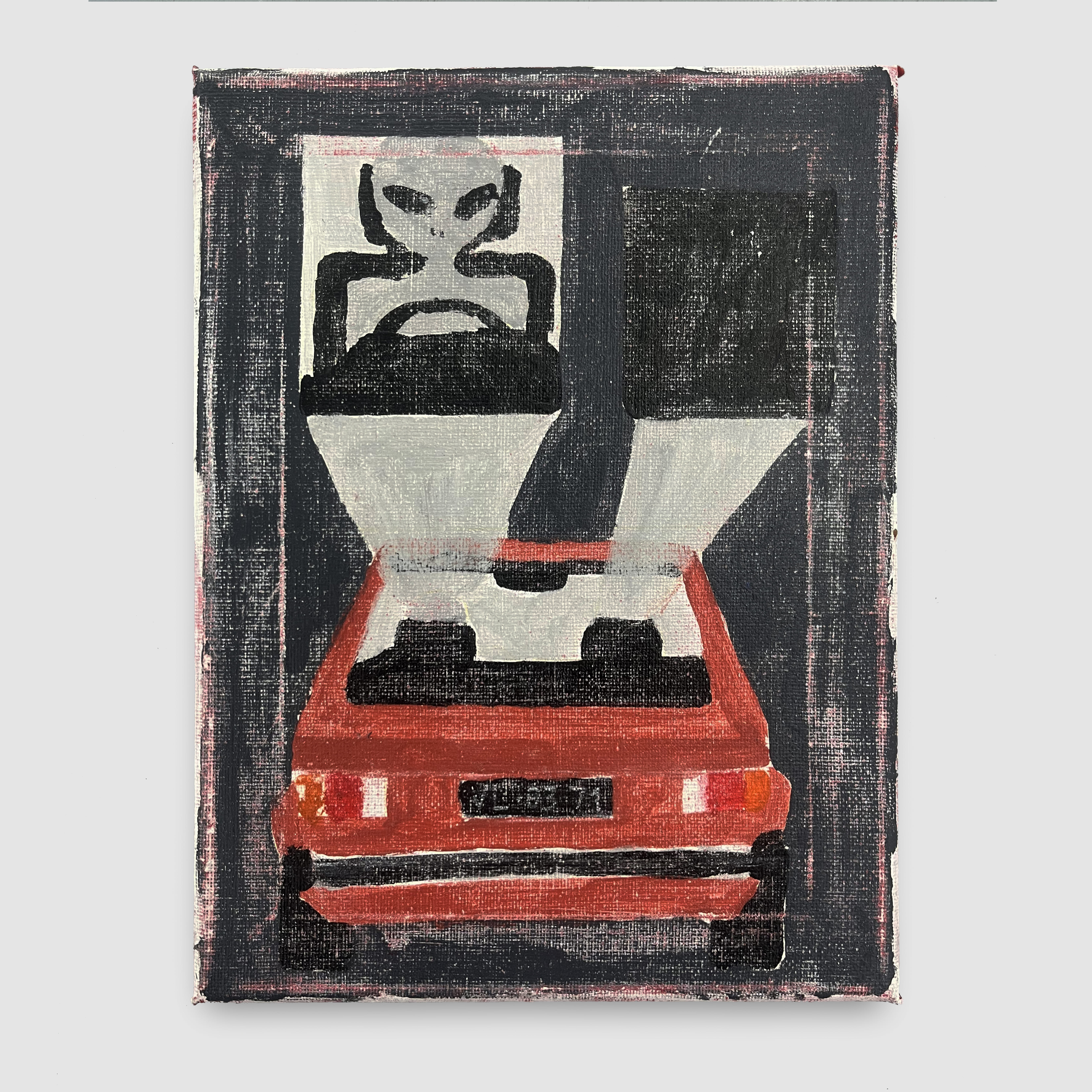
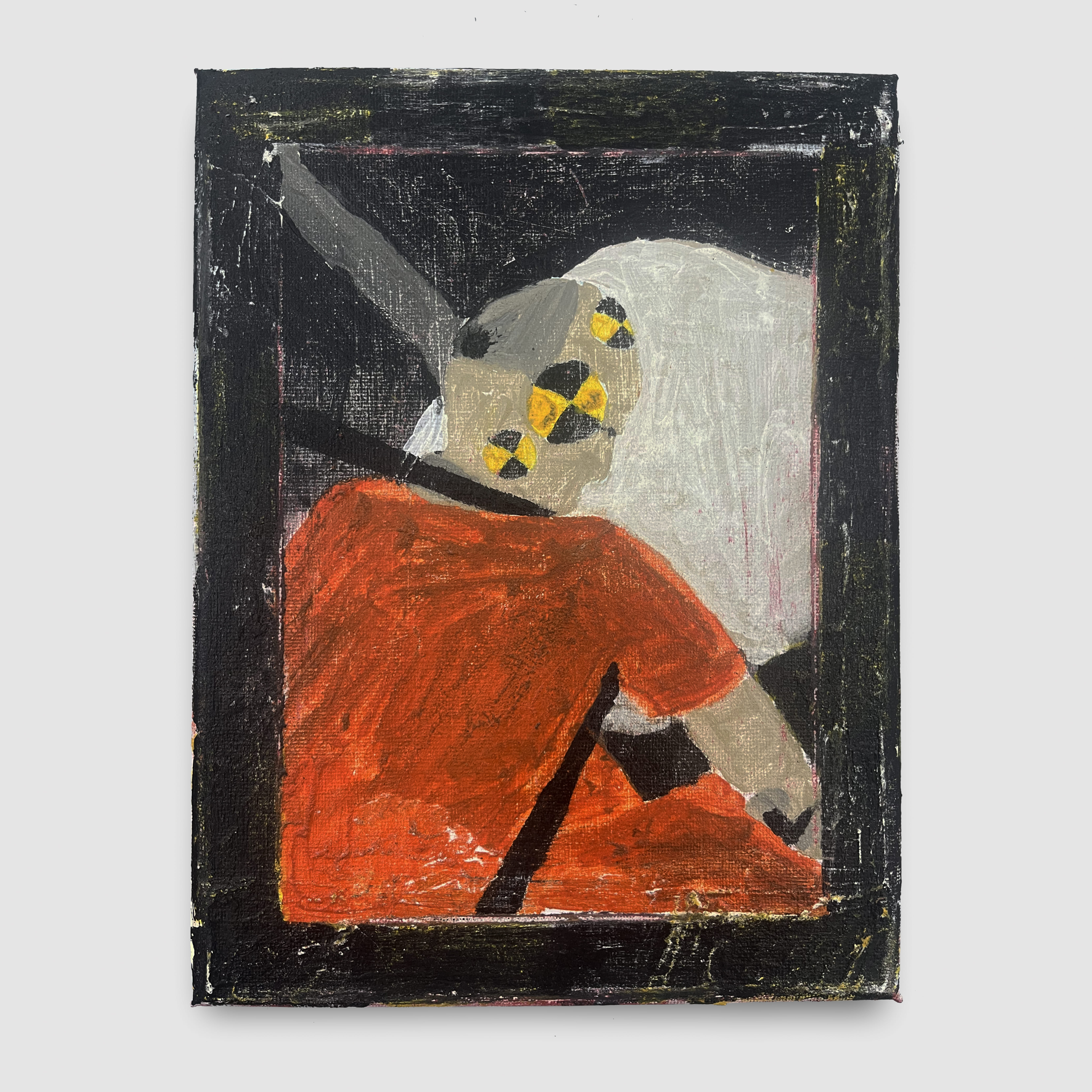
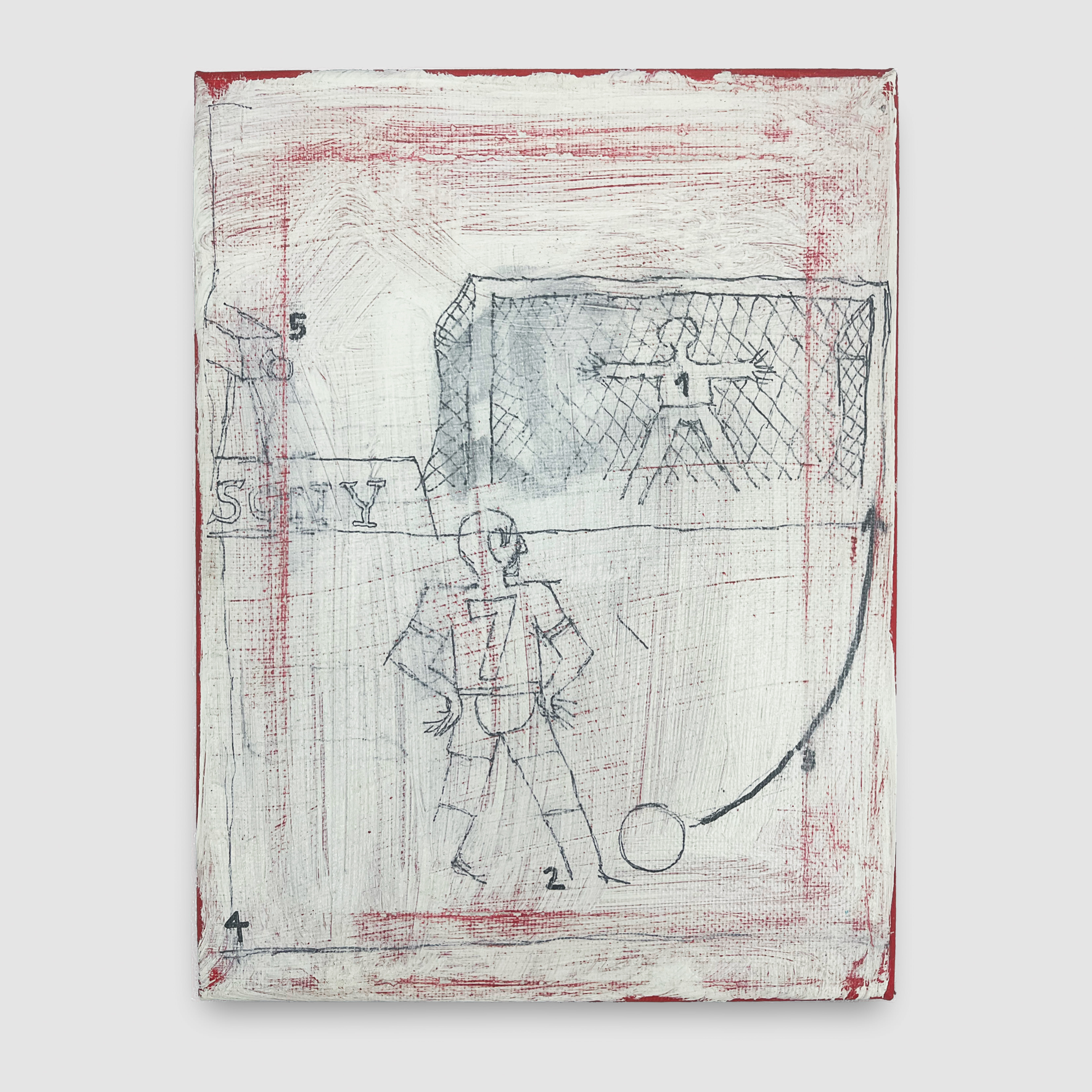
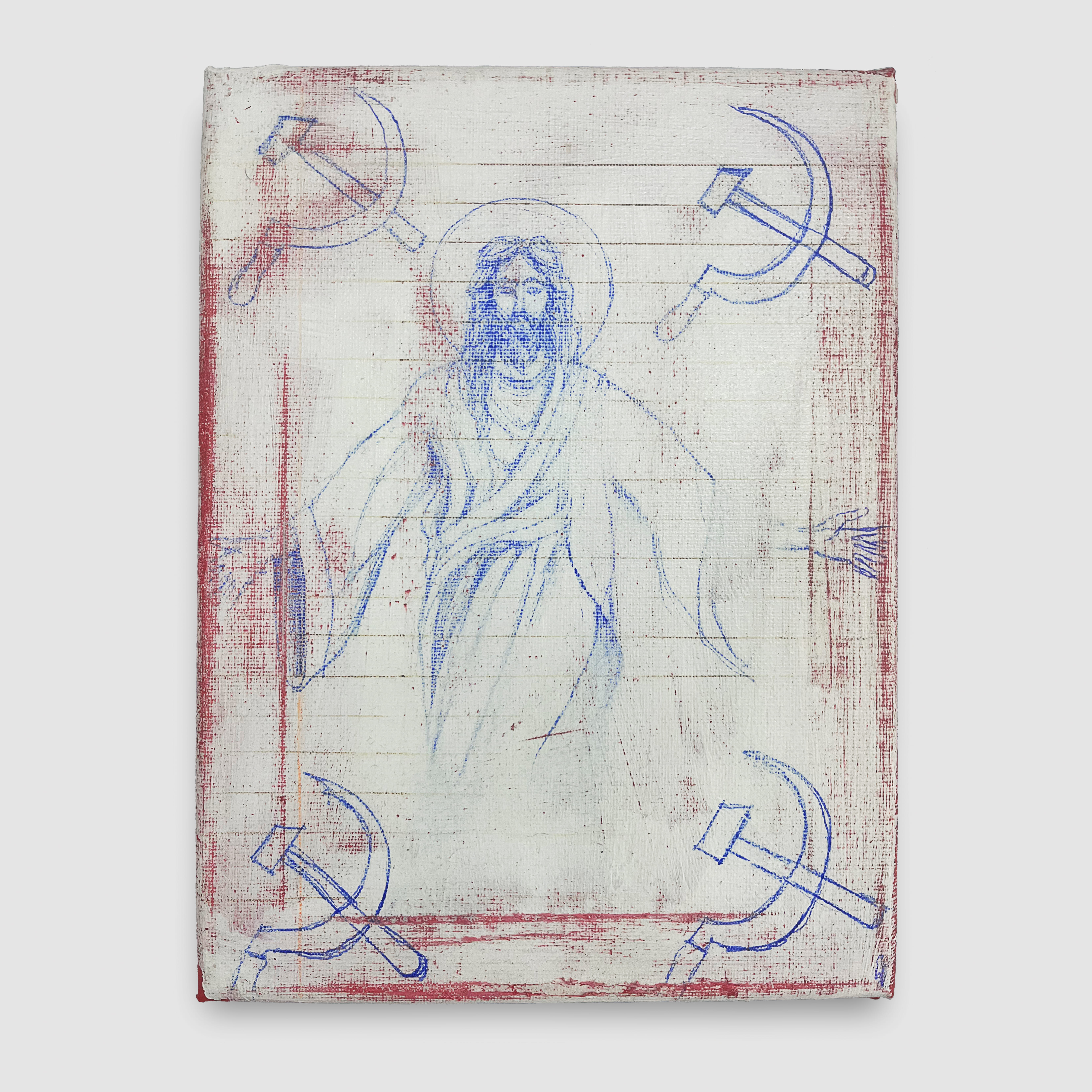
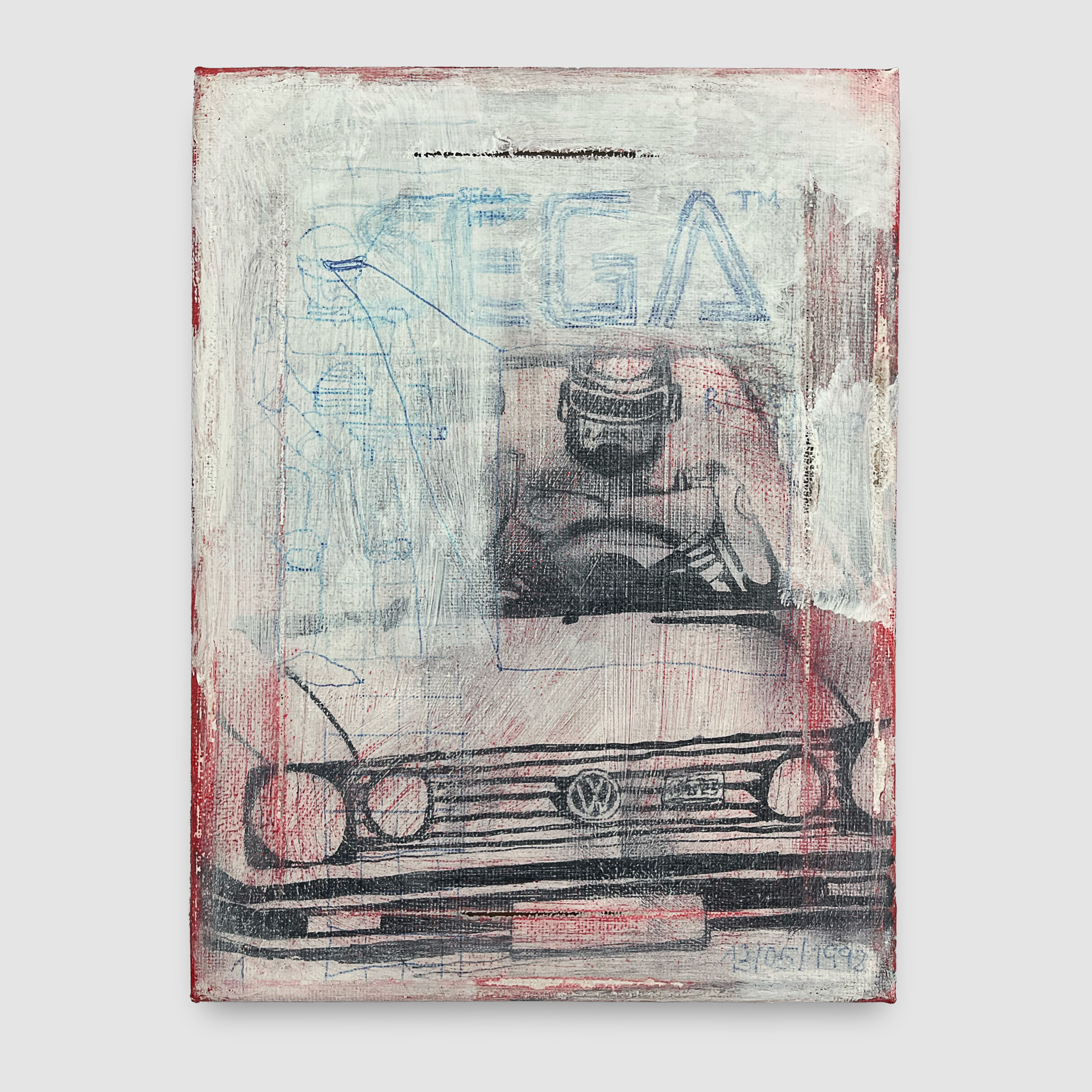
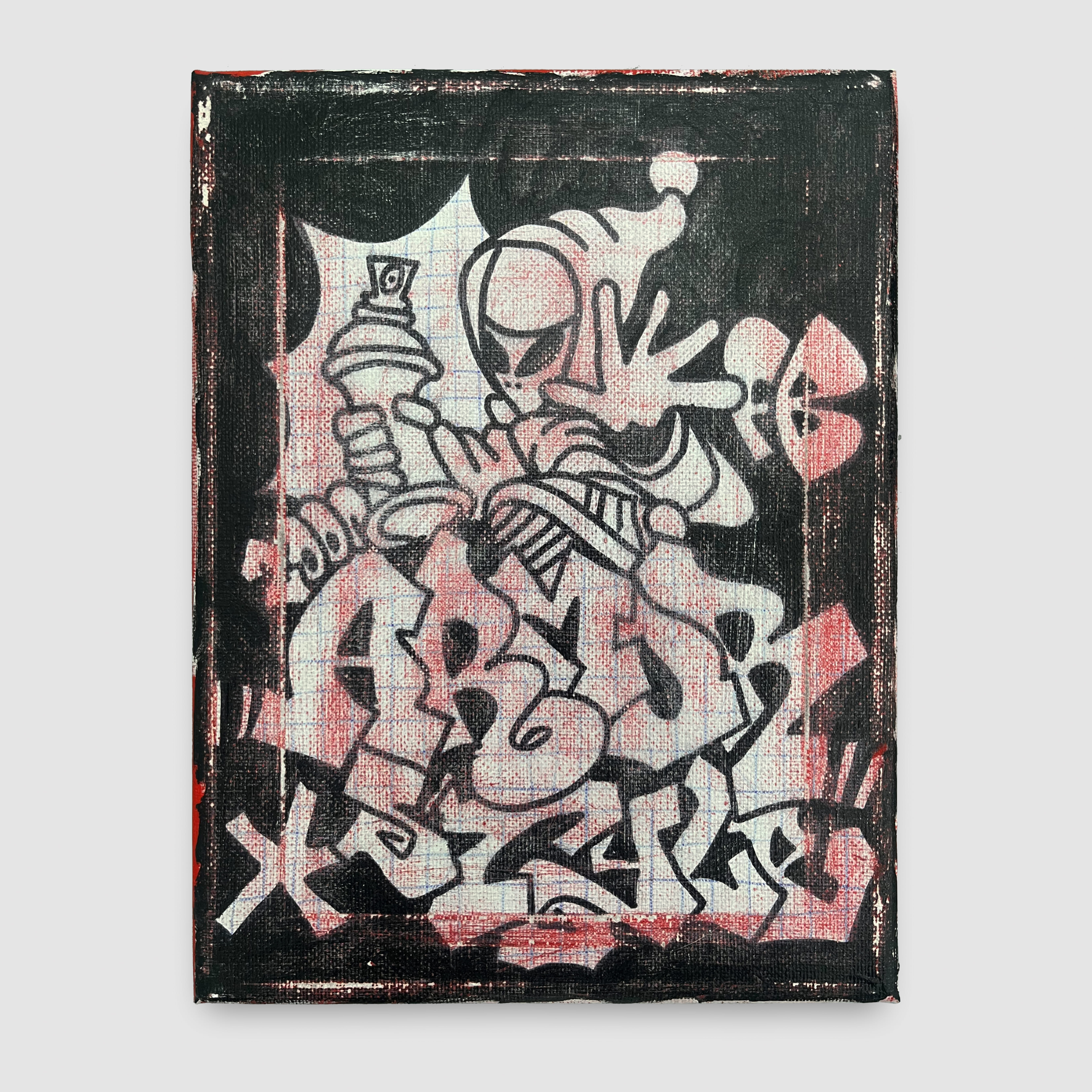
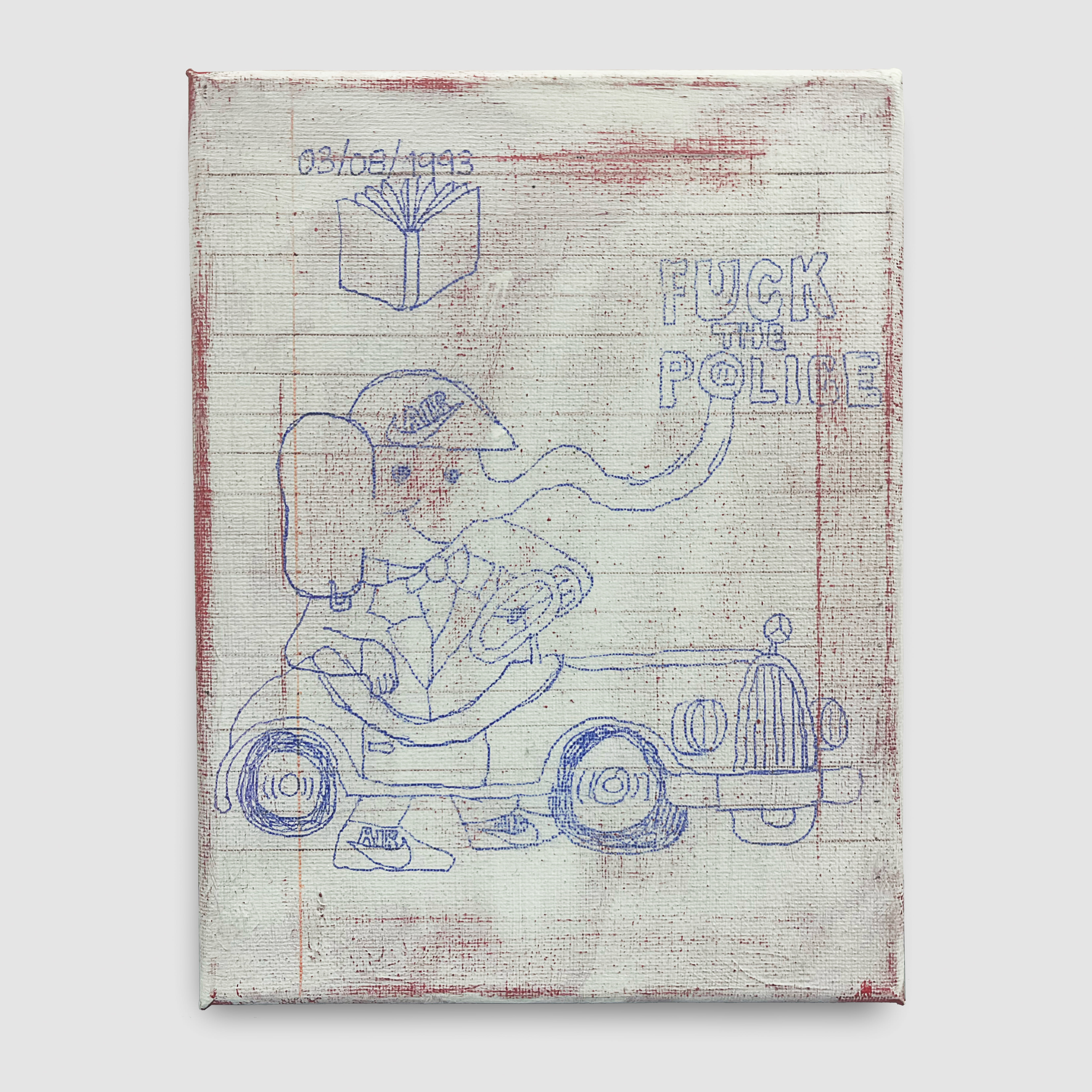
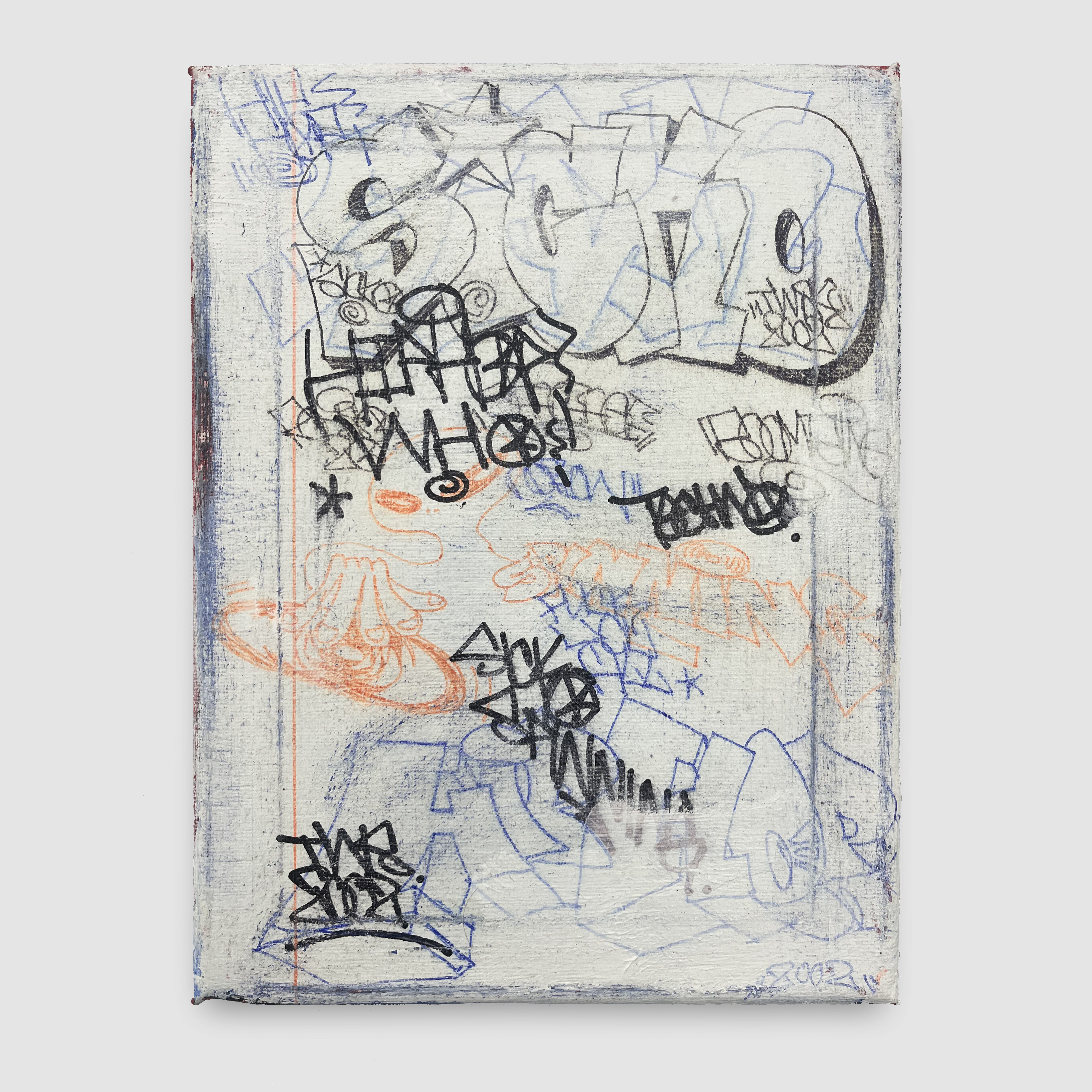
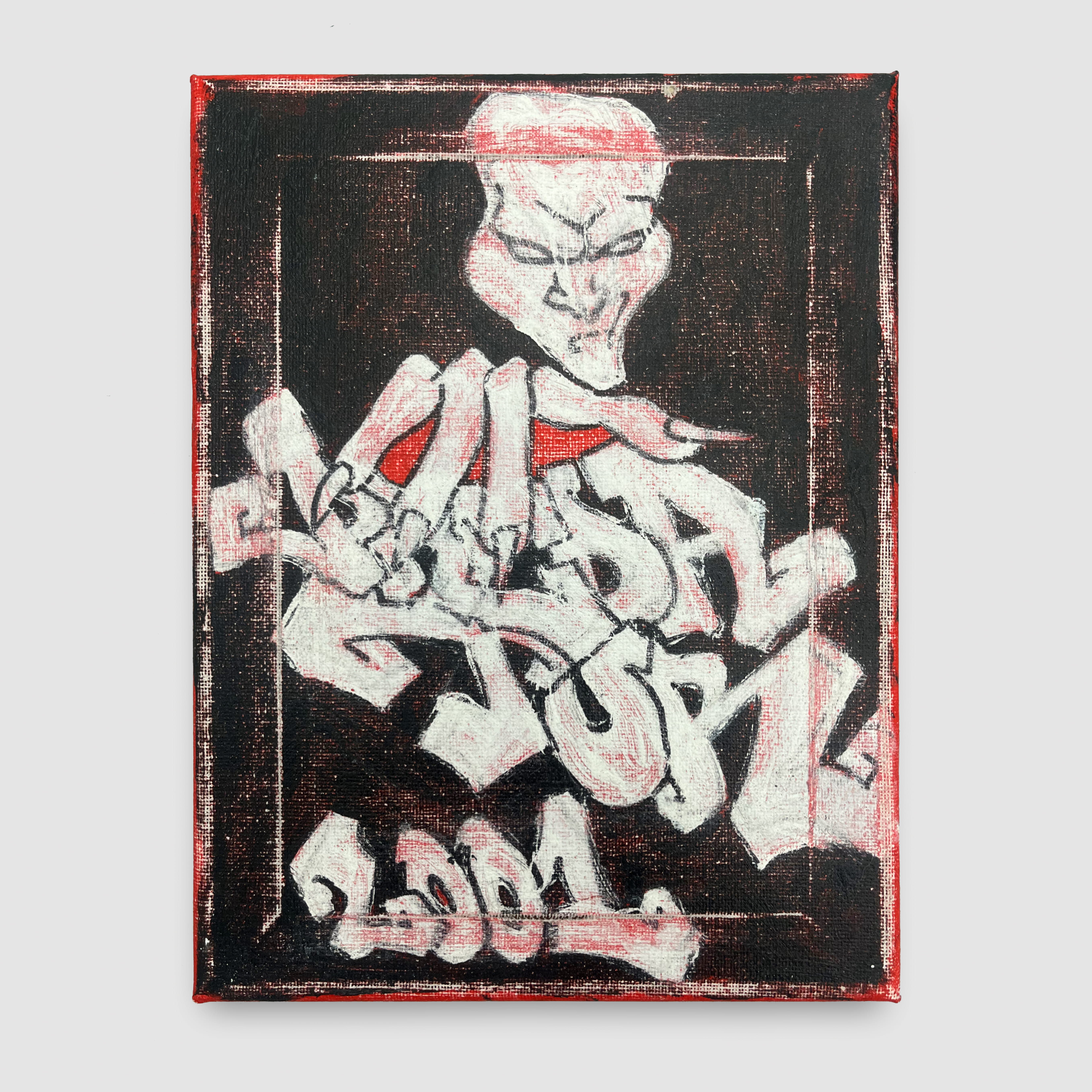
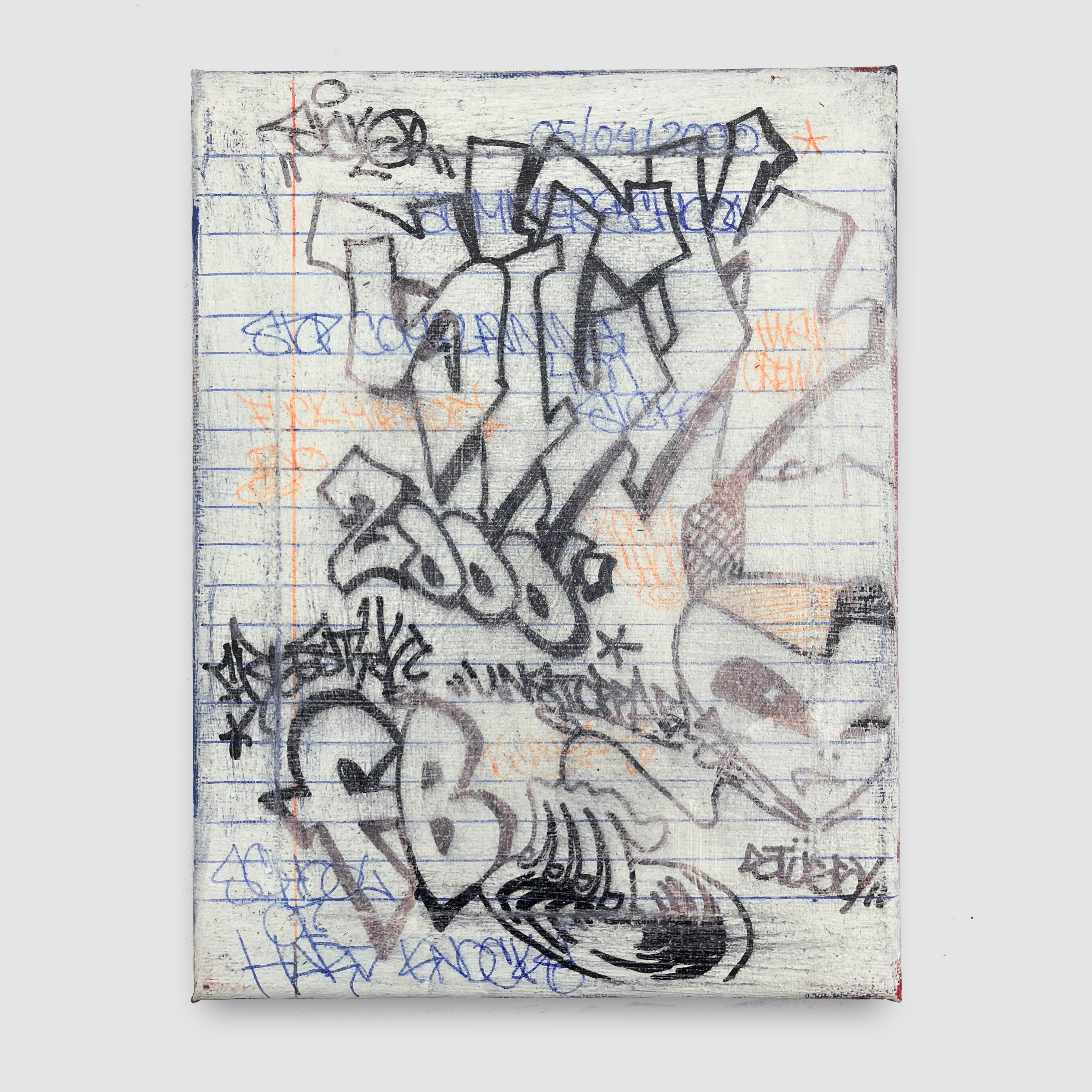
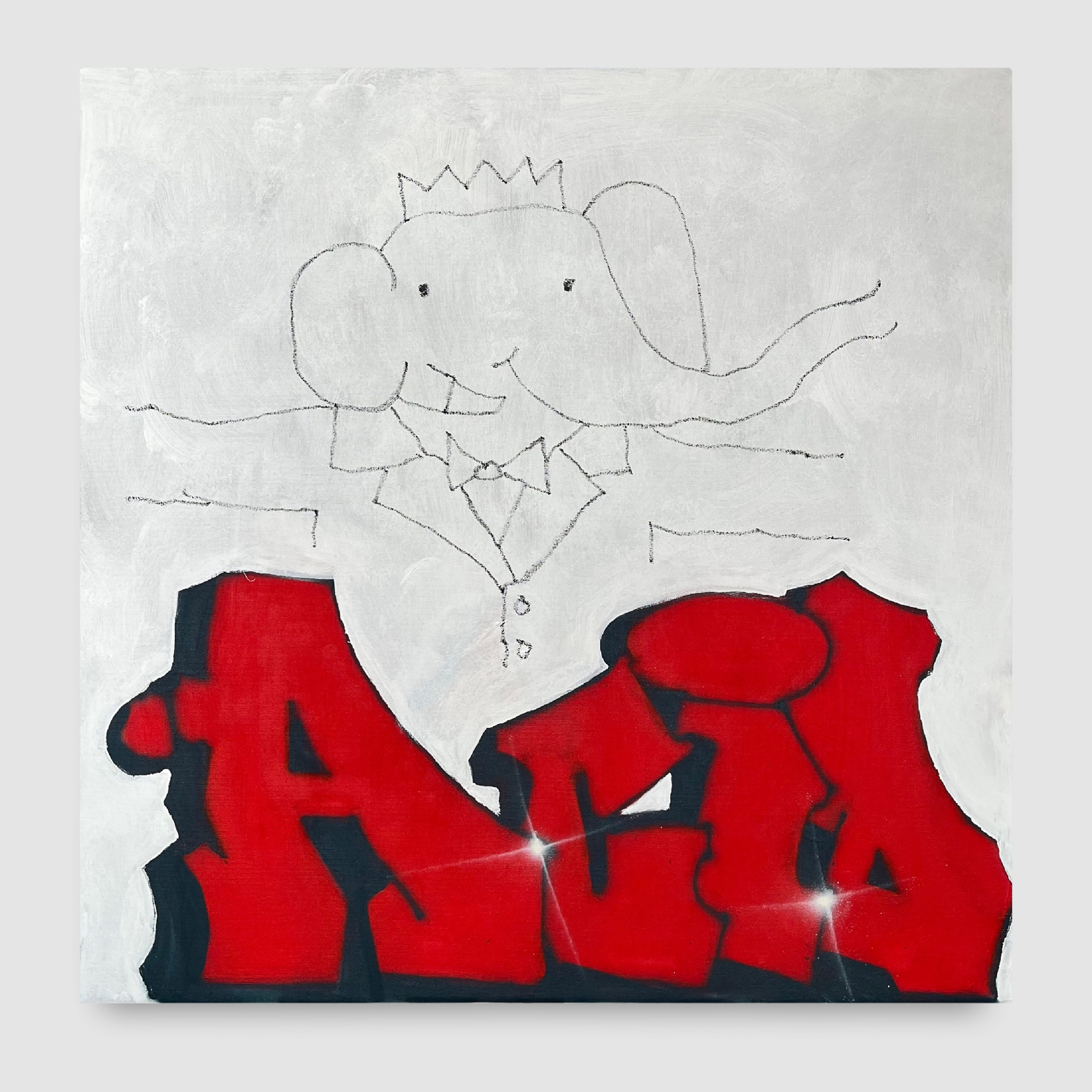
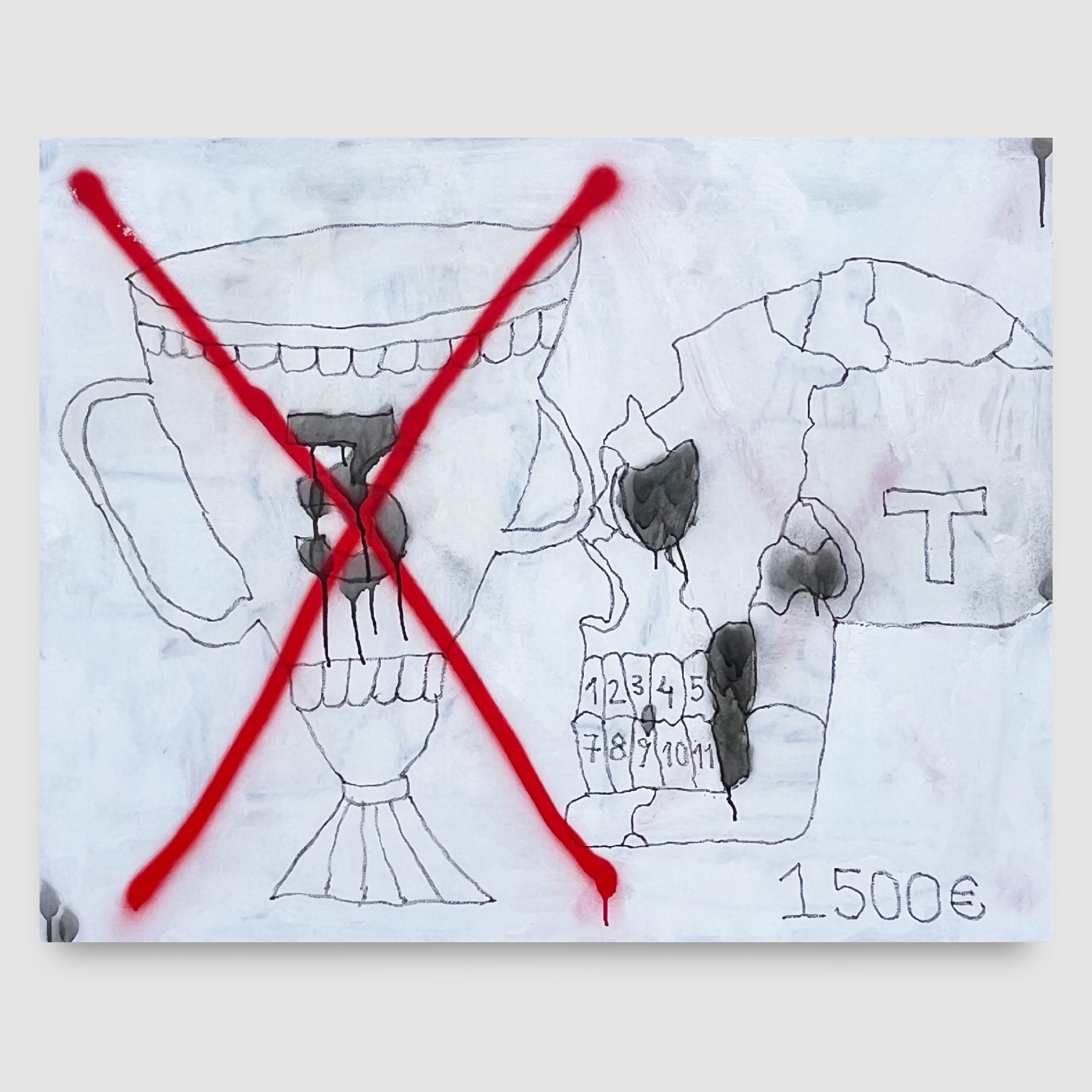
Tiago Evangelista (b. 1987, Portugal) builds his visual narrative through a clash of references from his autobiographical memory, his childhood, and the interests that accompanied his coming of age, resulting in his chaotic aesthetic.It is an aggressive collision between nostalgia and youthful ambition. By appropriating cartoon imagery, brands, and the saturated visual language of capitalism, he superimposes these recognizable elements onto our contemporary daily lives.
Much like Henri Bergson’s concept of "duration," in which the past is not left behind but rather accumulates, these characters that populate our collective imagination, originally conceived for our entertainment, have grown with us, taking on the role of tools for subversion and satire for the adult mind. Cute and gentle in appearance, they simultaneously mirror our human condition.
Despite their disparate visual languages, the figures inhabiting both artists' canvases refuse the role of mere escapist anesthesia for our entertainment. What we initially dismiss as childhood naivety becomes a profound critical lens. As these characters abruptly wake up to our present, they awaken a forgotten youth and make us question how far removed we are since the last time we saw them. Not in a nostalgic way, but by confronting our present with the eyes of yesterday.
Works: