8-80
With the following artist:
Matilde de Oliveira Roque.
Every year that we’re alive seems quicker in passing, a fact which alone demonstrates our flawed but well-ingrained conception of time. As such, we shouldn’t have to think of our age as a certain number of years old. As we move through, we should think of ourselves as a new being, each infinitesimal moment we see for the first time, growing older without counting. Each time we break open our sense of self in space and time, it ‘requires the imposition of our soul onto our surroundings’ (Beckett, 1930). This is the creation of the world, it takes place everyday; it is not, as we imagine, a historical event that occurred at some point in the past
This morning (as Iattempted a fresh creation of the world), Iwoke up, Isnoozed a couple of times, I stretched in bed, I sat, and thought, and felt, I fed the cats, I chugged water, I scooped the litter tray, I said good morning, Iwashed my hands, Ibrushed my teeth and washed my face, Ithought of things I can't forget, I got dressed and prepared my food and I checked my phone and I left the flat. On the tube I read, then I journalled, I popped into Sainsbury’s and I started a voice note to S and then I got into the studio, finished my voice note, made a tea, meditated in a hurry because I was hungry. I’m sad that my instant coffee is mouldy and I have to throw it out. I’m sad because I resisted buying takeaway coffee on the way here, and now Iwant what Ican't have, even more…
I have done my rituals - have I- or am I forgetting to do or think about or add on or realise something necessary for my happiness, the secret ingredient I need to seize the day with my full potential? Hopefully nothing, so let's tiptoe in. As I battle through my day, my internal dialogue narrates, it tries to put order into what feels like a messy sequence of activities, a presently uncertain set of choices which will tumble into a future yet unknown, the future which at each moment rushes past me and becomes past. At each choice, ‘the unknown is unknowable’ (Beckett, 1930). Only God knows, and ‘I don’t have his address’ (Auster, 2017). As put by Samuel Beckett, the ‘fluid of the future, sluggish, pale and monochrome’ decants to the vessel of past time, ‘agitated and multicoloured by the phenomena of its hours’ (Beckett, 1930). I, the individual, am the ‘constant seat’ of this process.
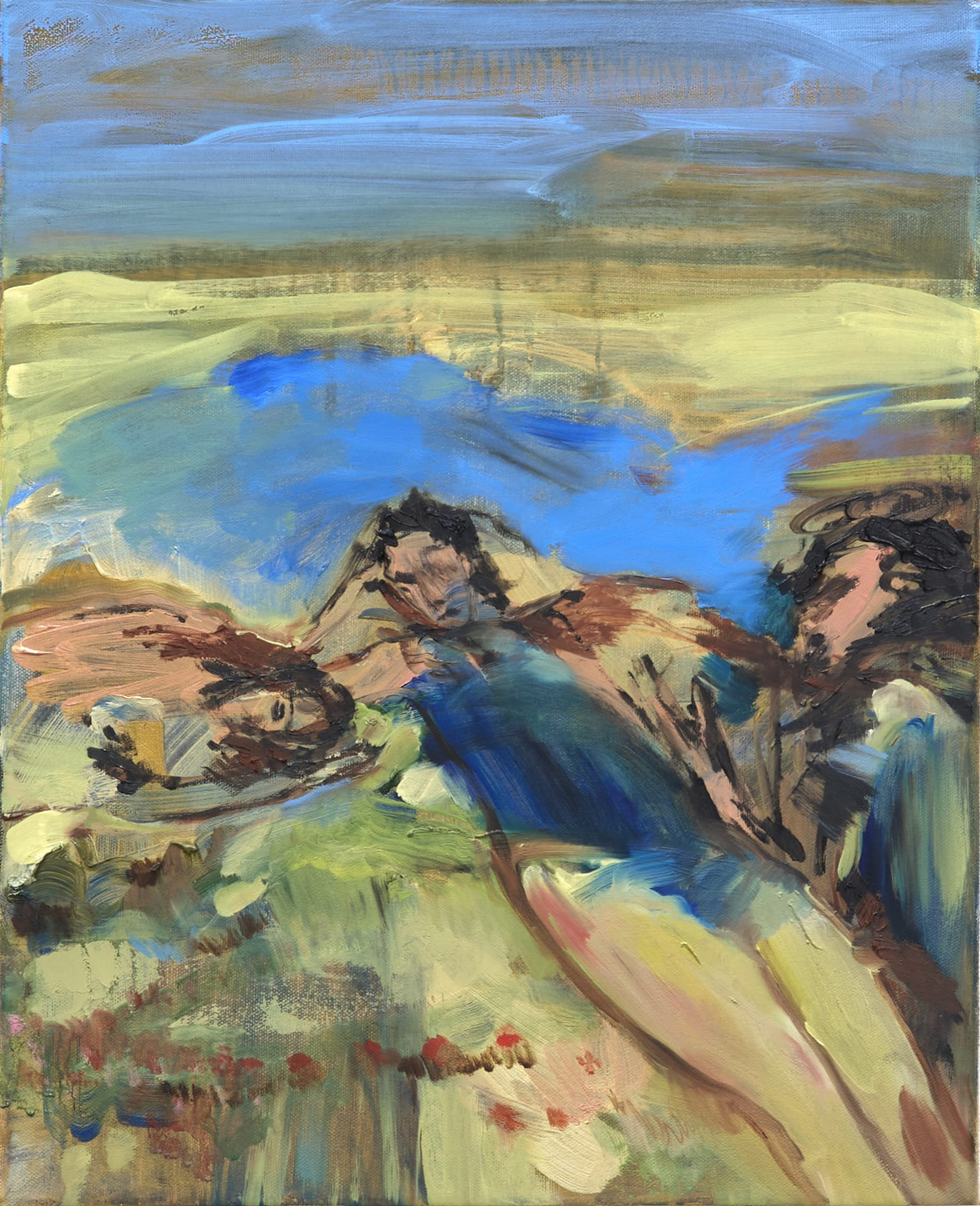
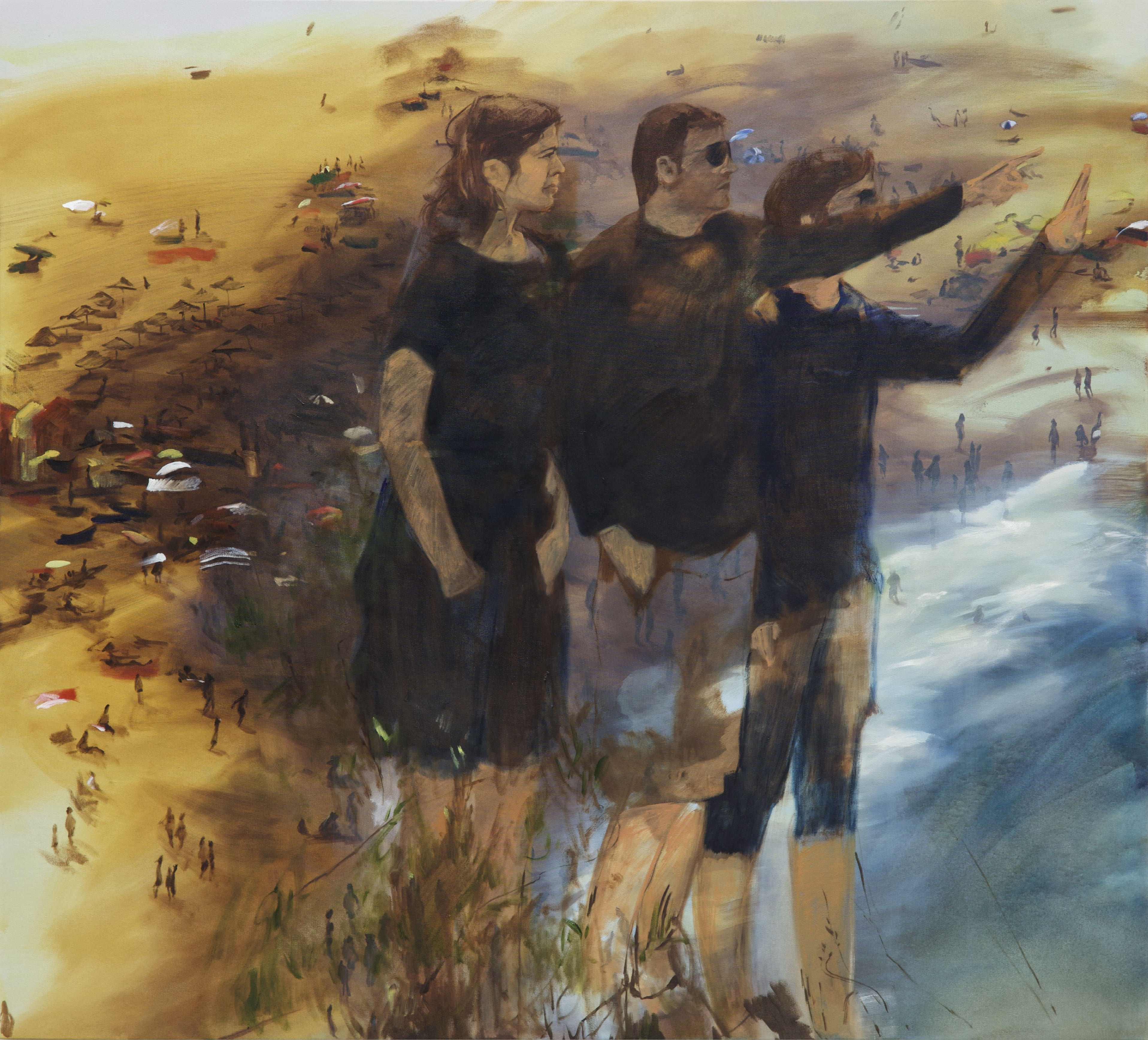
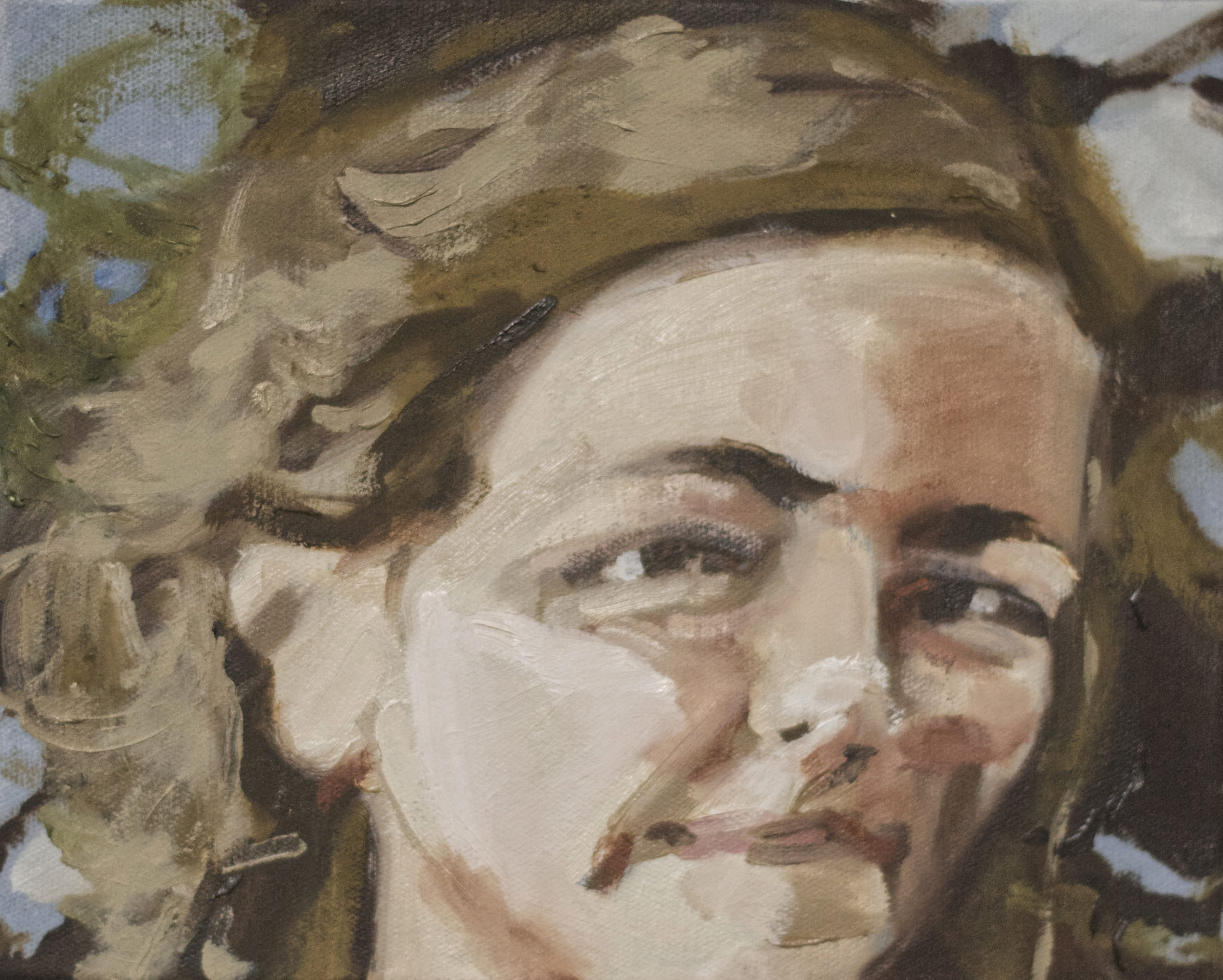
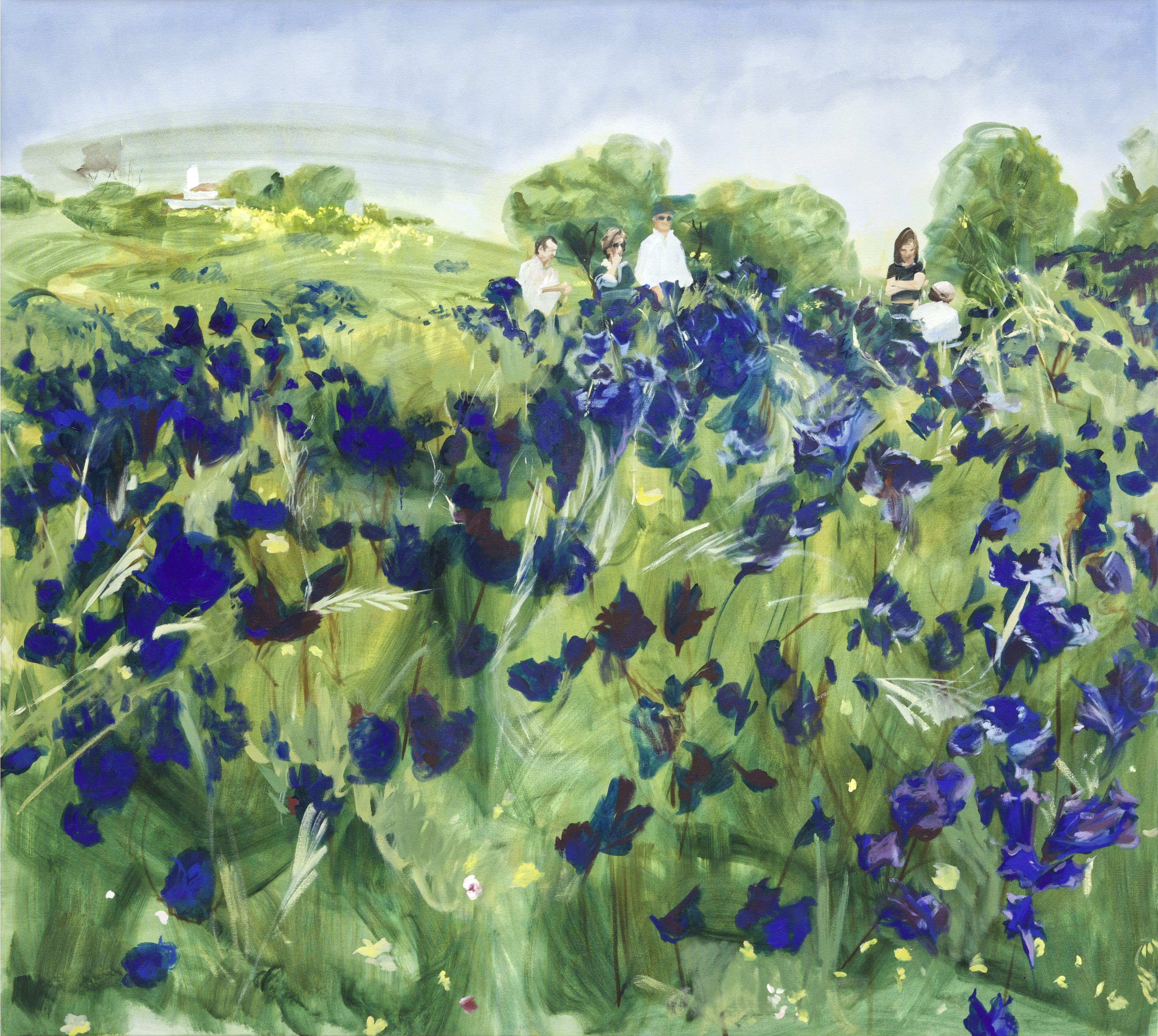
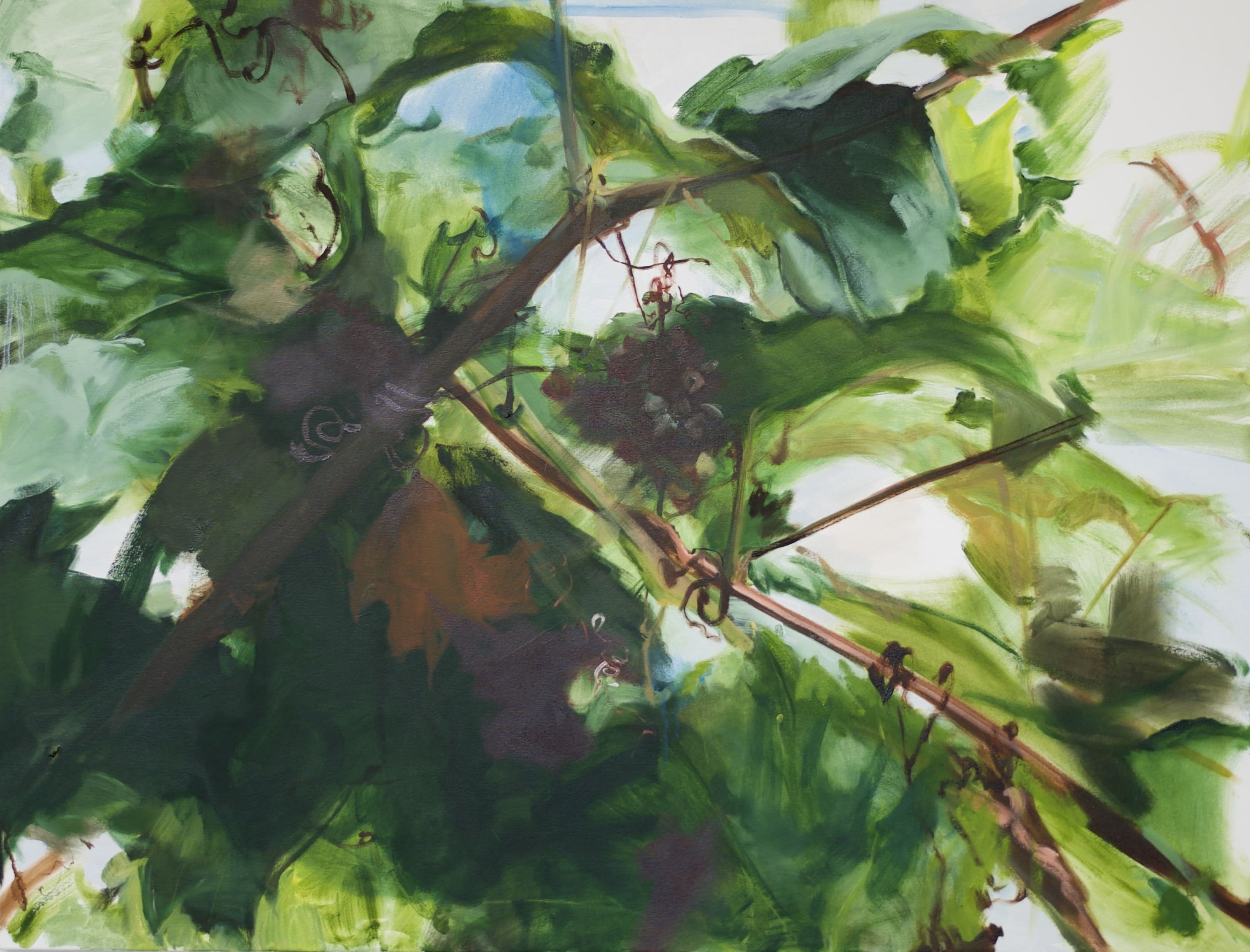
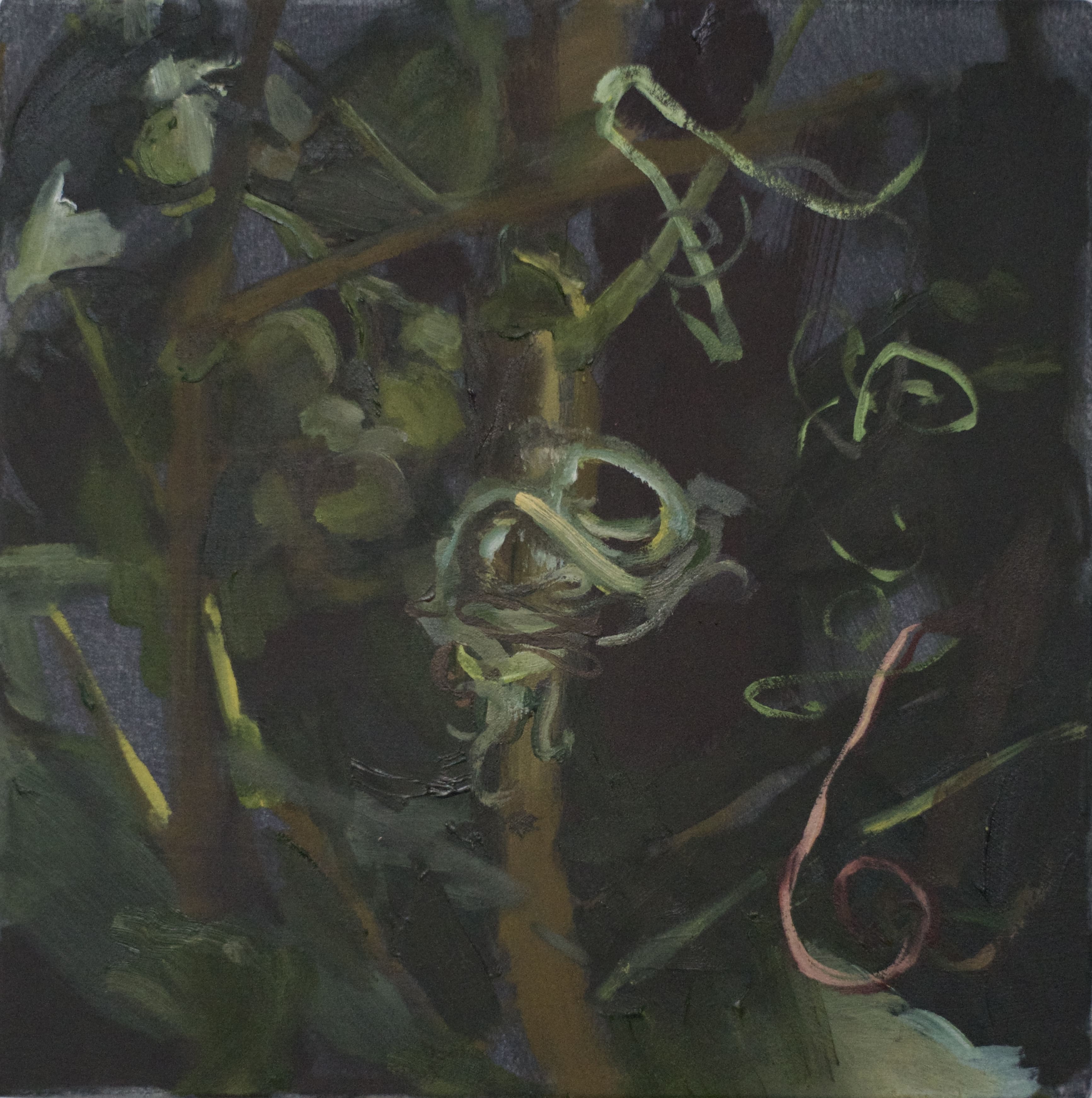
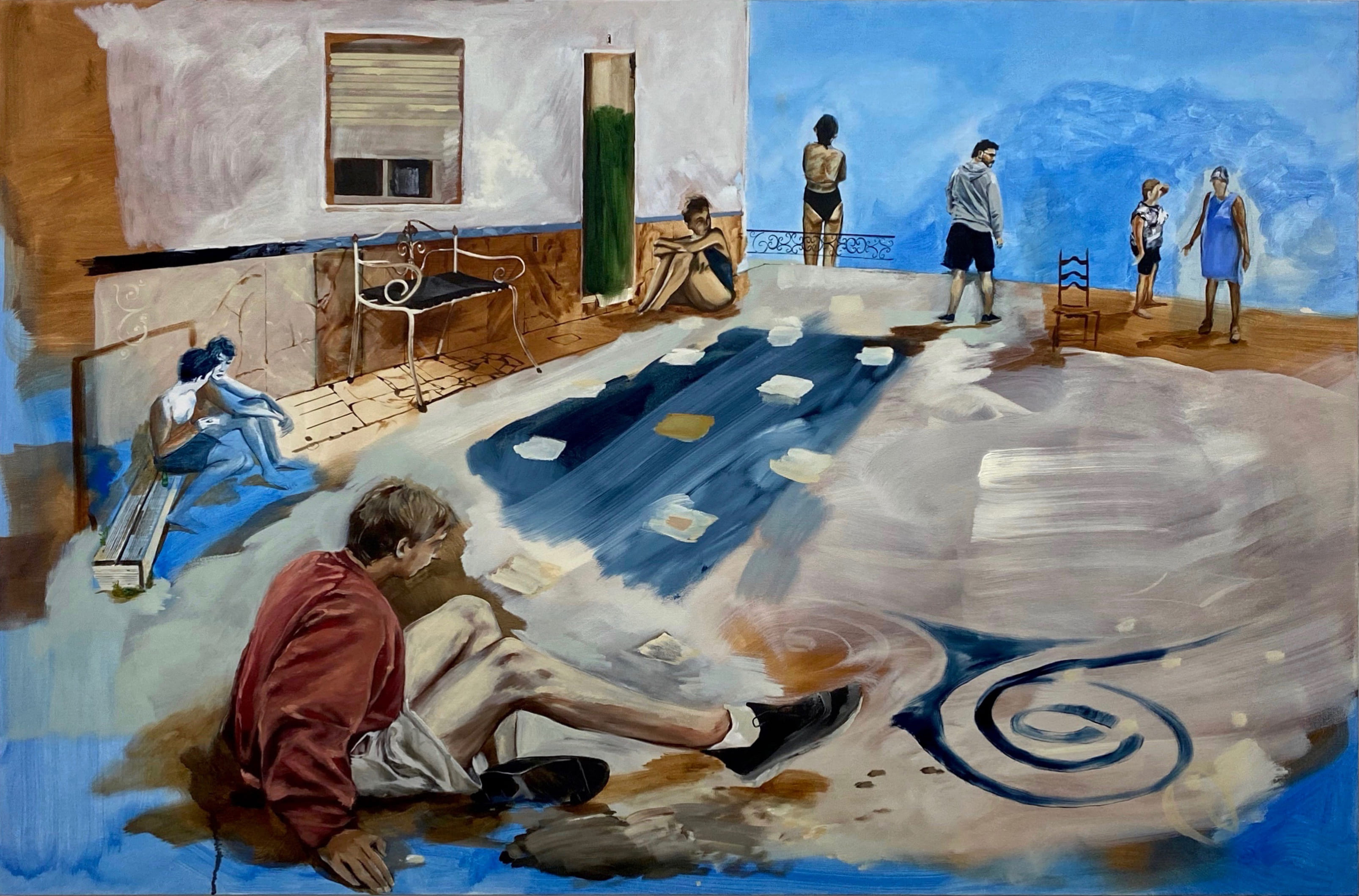
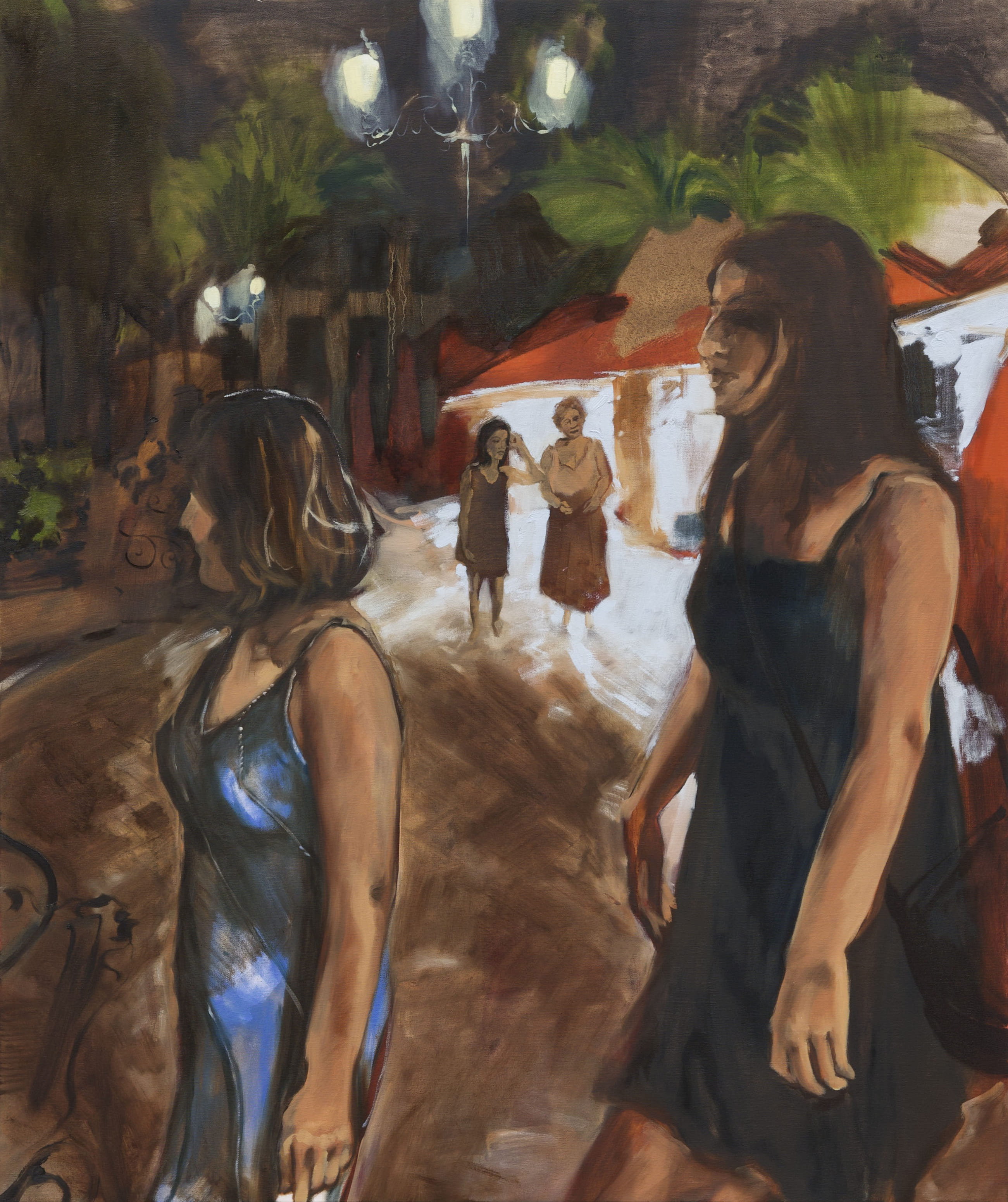
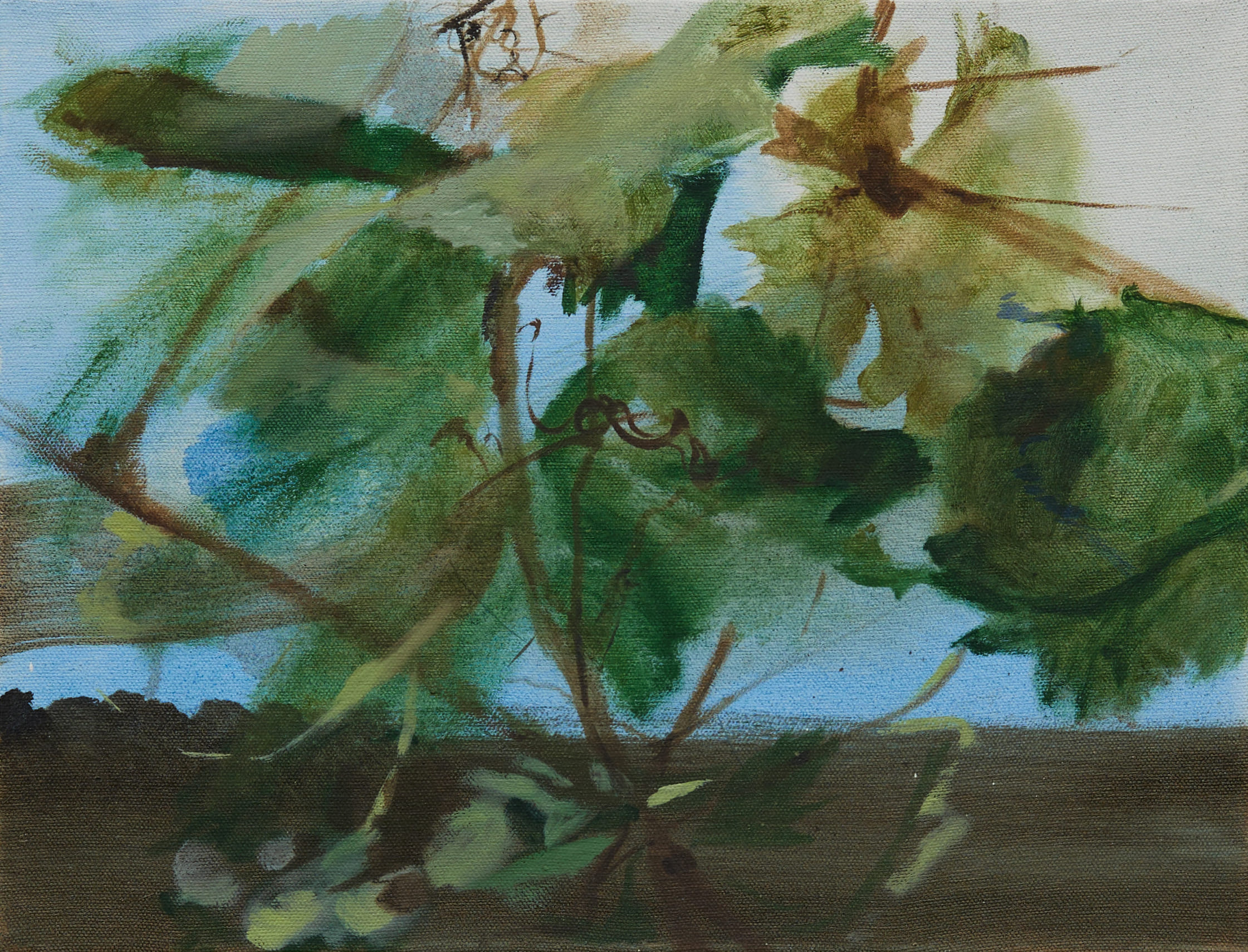
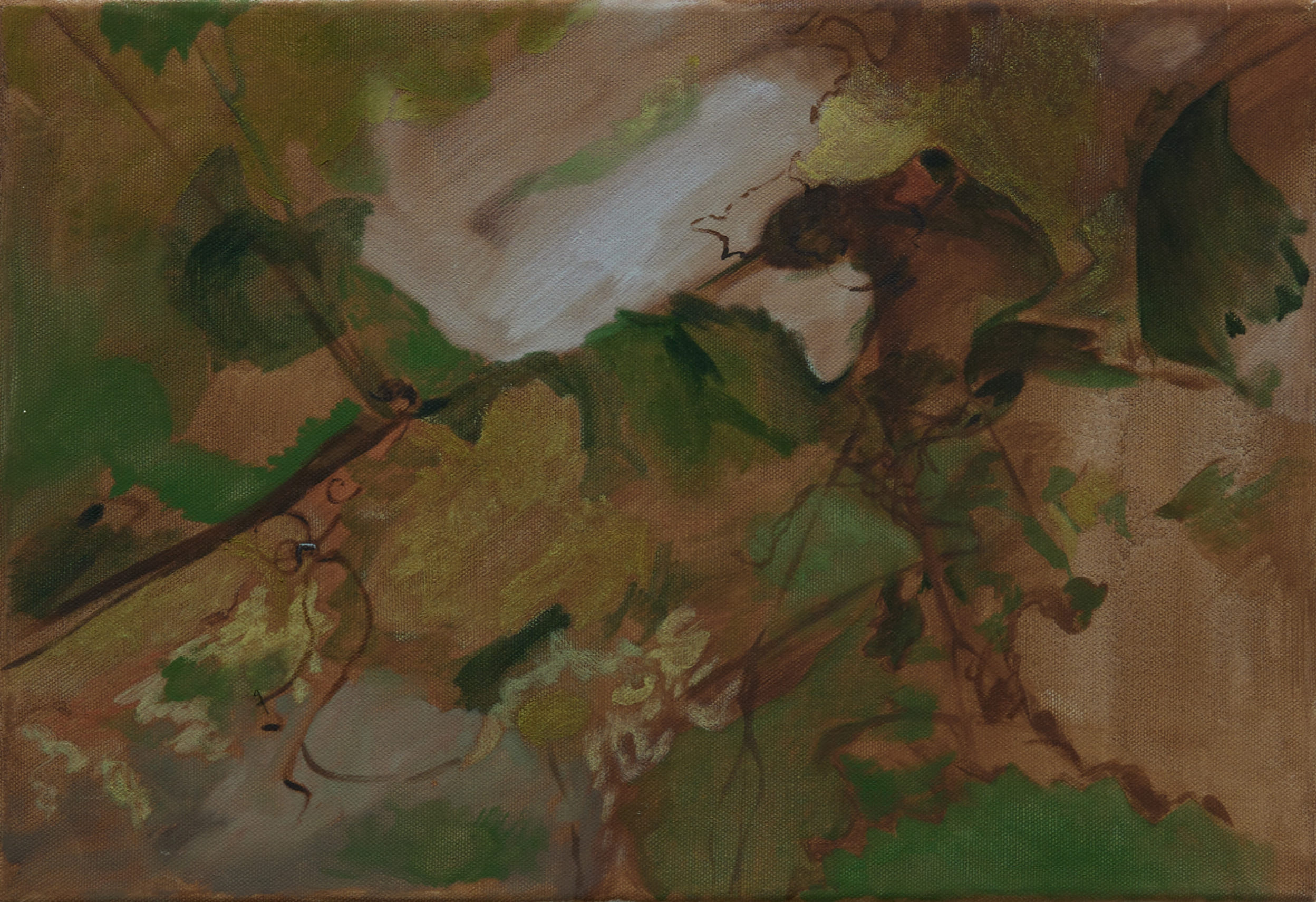
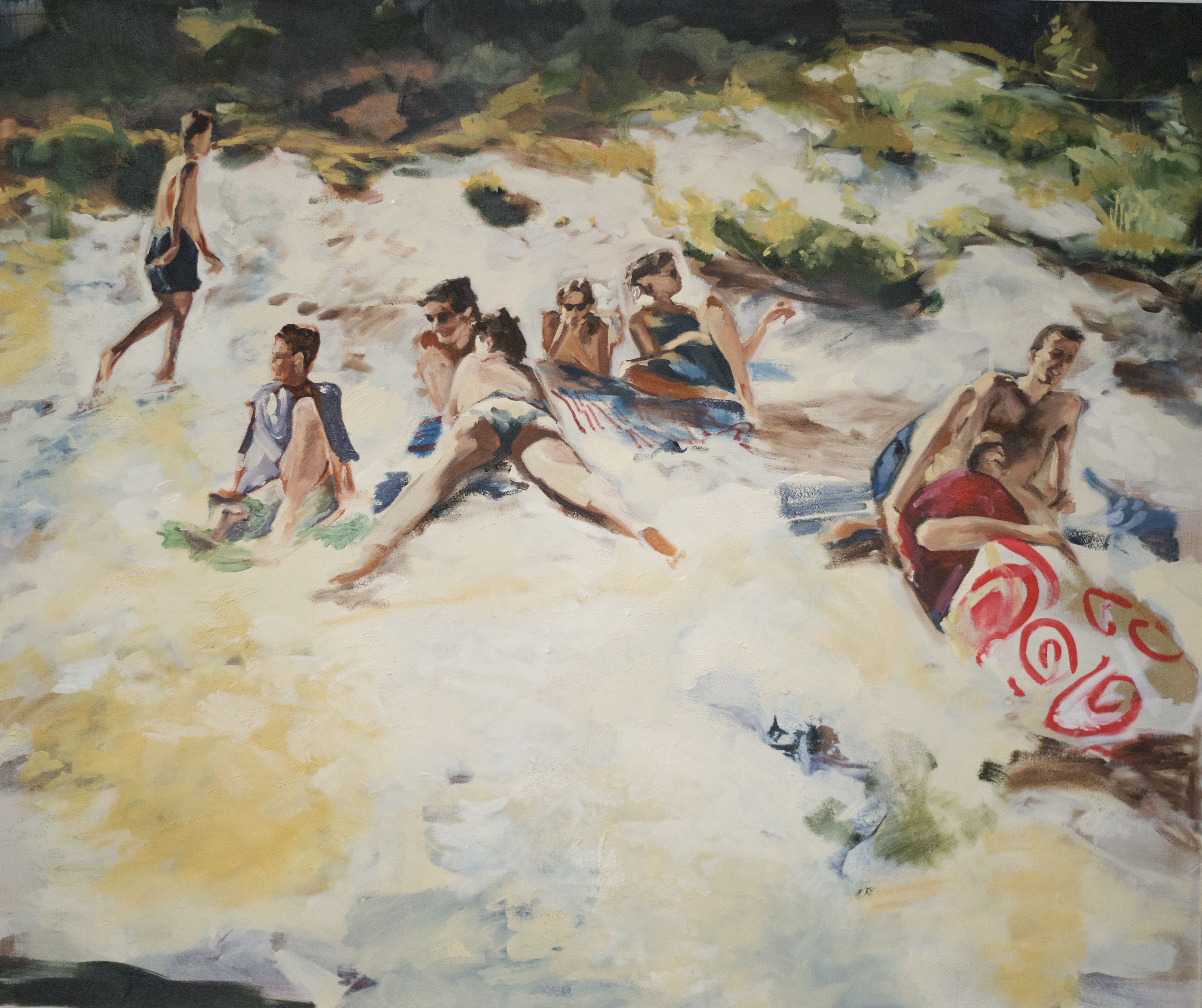
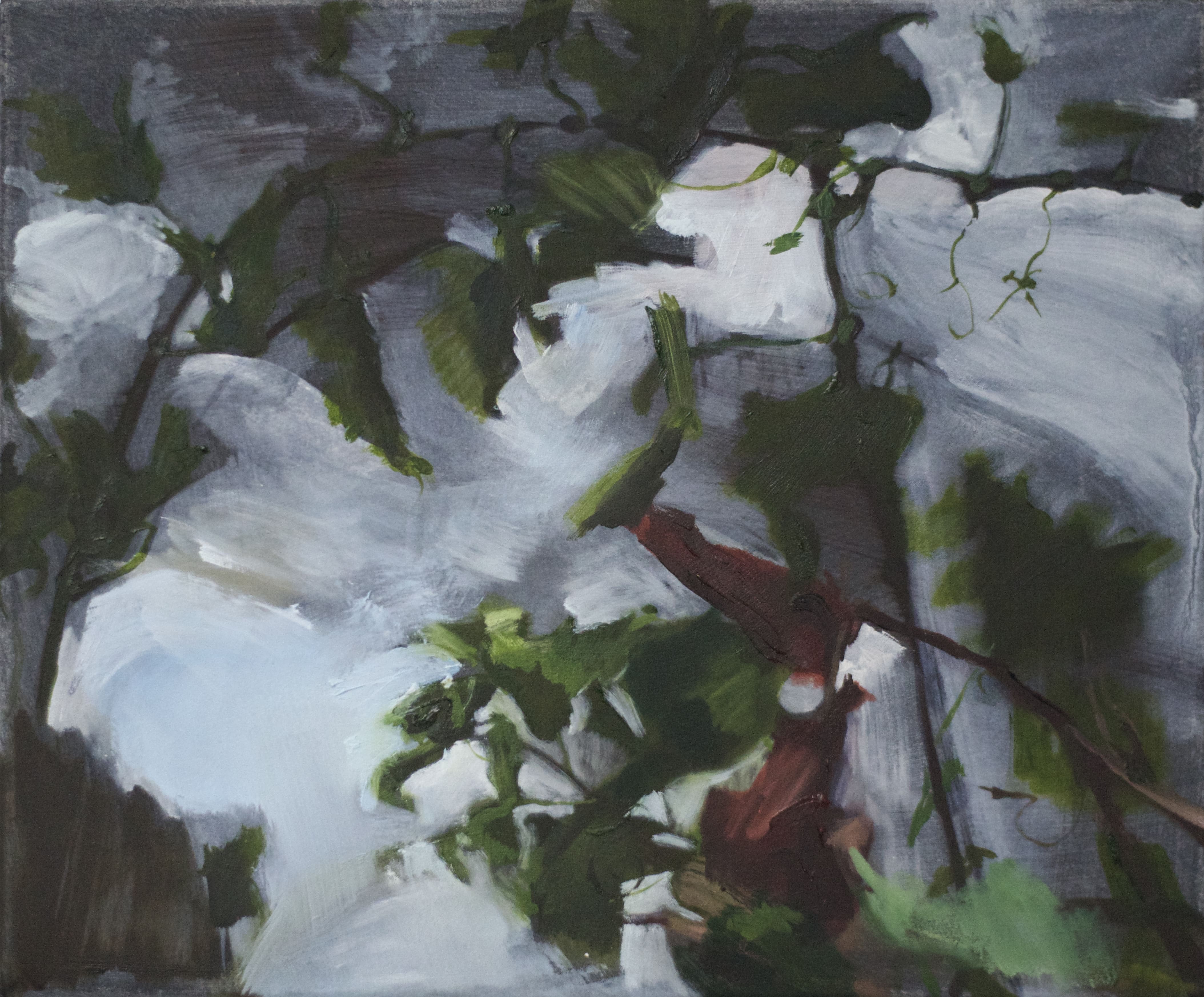
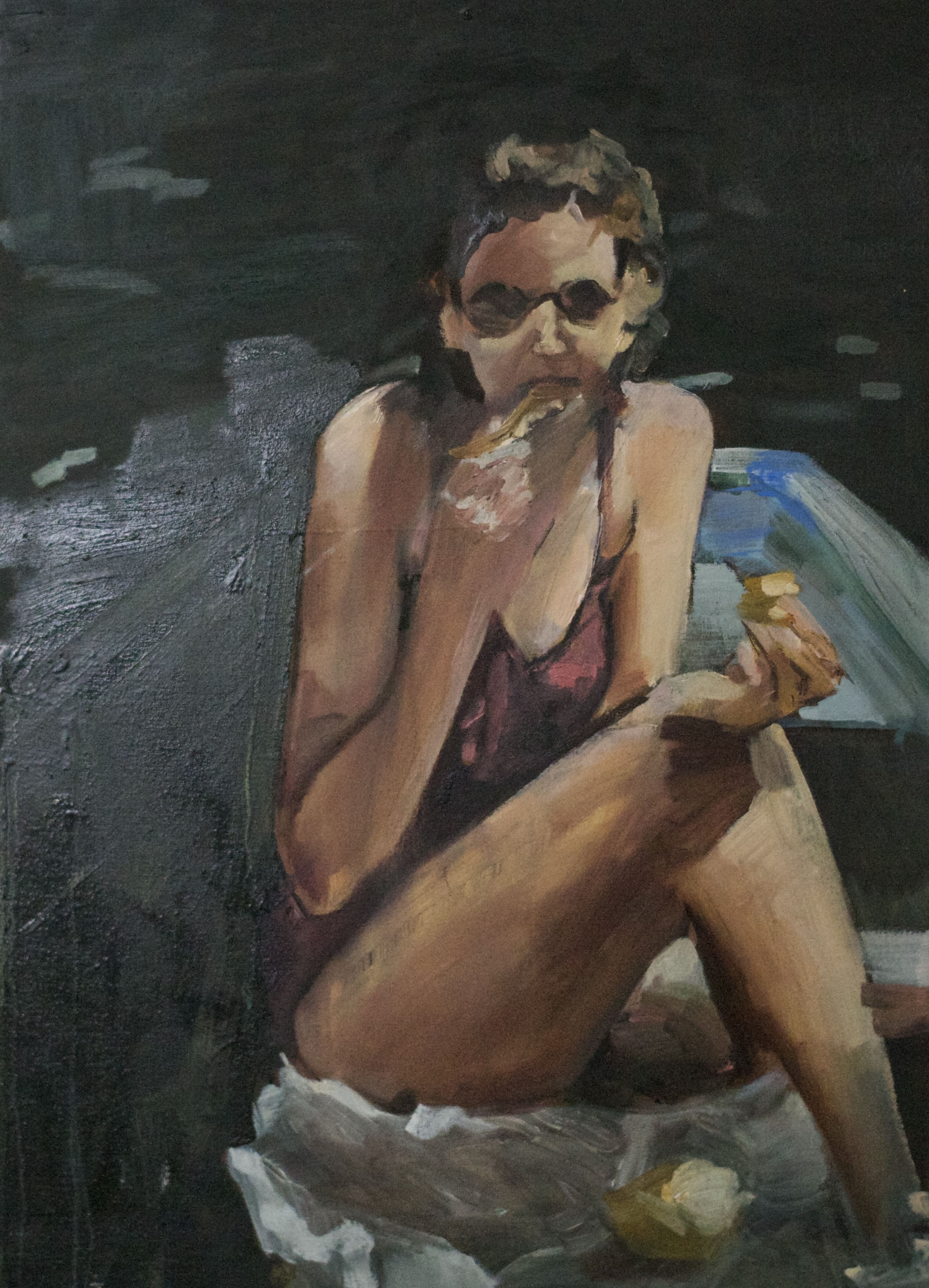
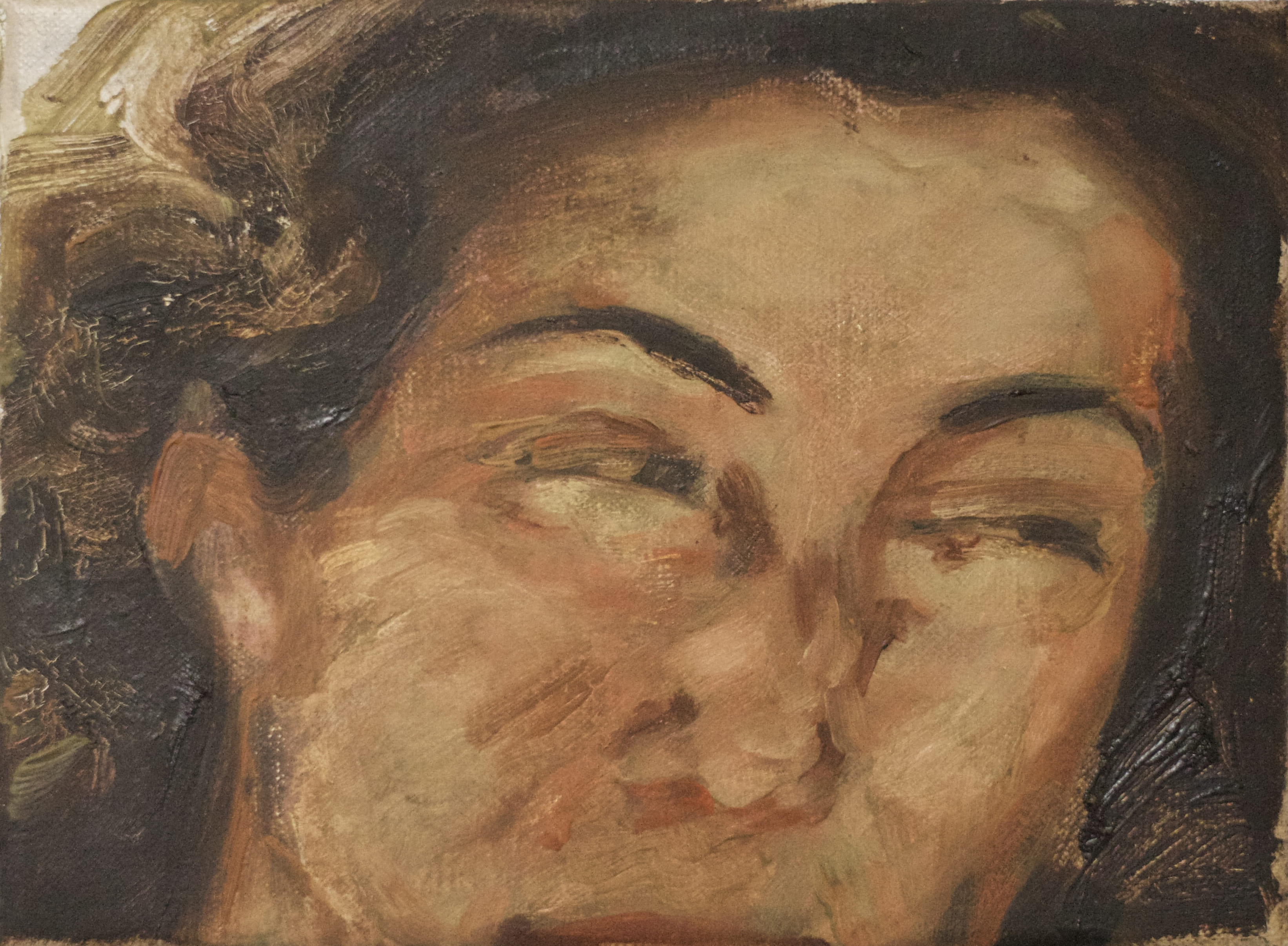
My paintings are possibly the residue from this decantation, the gritty, agitated liquid that gets swirled around in the process, each picture a brief retention of what has passed. A painted mark can contain the trigger for what Proust calls involuntary memory, the sudden wave of experience that comes without direct effort on the rememberer’s part, the past story that comes rushing back and is felt and experienced anew, more accurately than if pulled out like picking a garment off the wash line.
Like the uncanny effect of an iphone live photo, the fiddly brushwork of my paintings carries a disquiet movement, a jitter which alludes to the instability of the memory evoked. Family collections and found photos are studied and collaged into something new. As well as the depictions of people and their settings, they become a reflection on time, place, and being.
“8-80” signifies inconsistency - more than “all or nothing”, it means “a little or a lot”, “feast or famine”, or even “black or white”. The 72 integers and infinite decimal places between 8 and 80, are multitudes which represent a huge unknown, a world of opportunities, options, and decisions. Each combination of digits is minimally distinct, and possibly better or worse than the one that precedes or follows, and how to ensure one lands in the right place, somewhere in the infinite? When operating at 80, we are disappointed at the nullity of attainment, our current ego no longer identifying with it. ‘Whatever the object, our thirst for possession is by definition insatiable’ (Beckett, 1930).
8-80, is about our constant gamble within the game of life. Influenced by Samuel Beckett’s essay on Proust, Viktor Frankl’s Holocaust memoir Man’s Search for Meaning, and Paul Auster’s novel 4321, I reflect on my constant search for the way I choose to live. Neither at 8 nor at 80, I explore what it means to live simultaneously in the past, present, and future
Works: